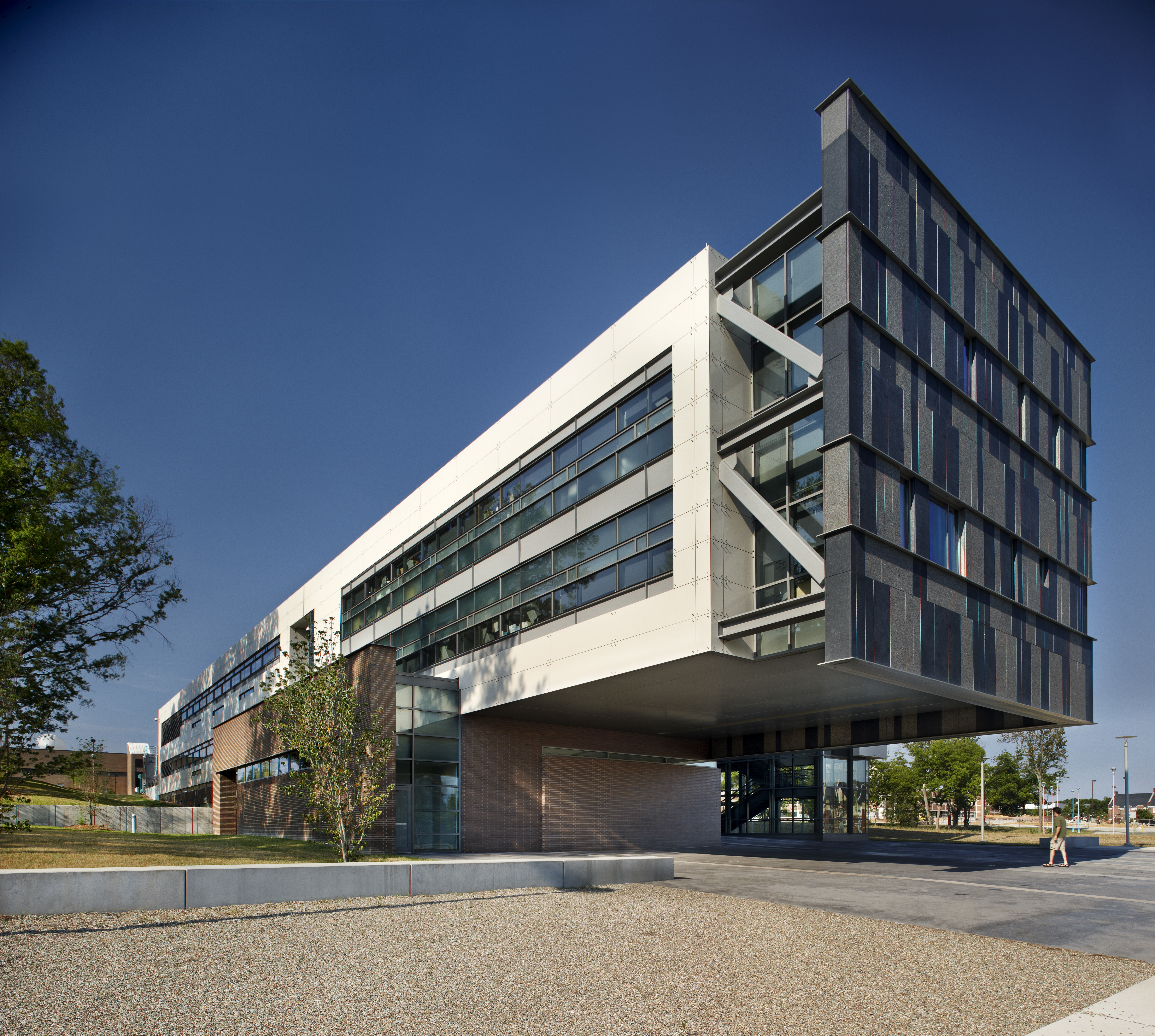
NC A&T's School of Education

Greensboro, NC

Project Quick Facts


Building Client
North Carolina A&T University

Structural Engineer
Stewart

General Contractor
New Atlantic Contracting, Inc.

Software Used
RISA-3D, RISA-2D

Structural Components
Steel Frame, Steel Truss

Year Completed
2008


Project Background

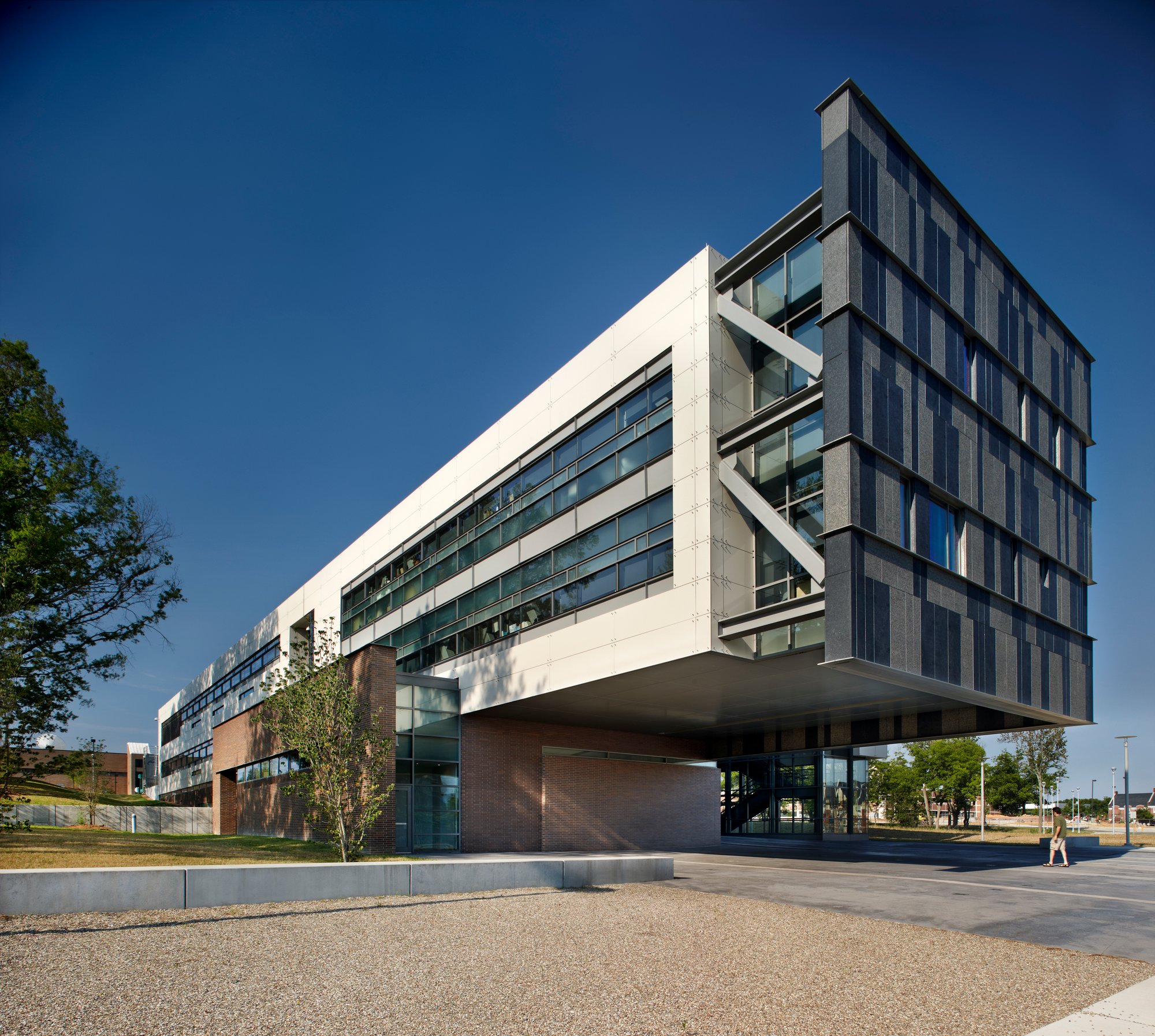
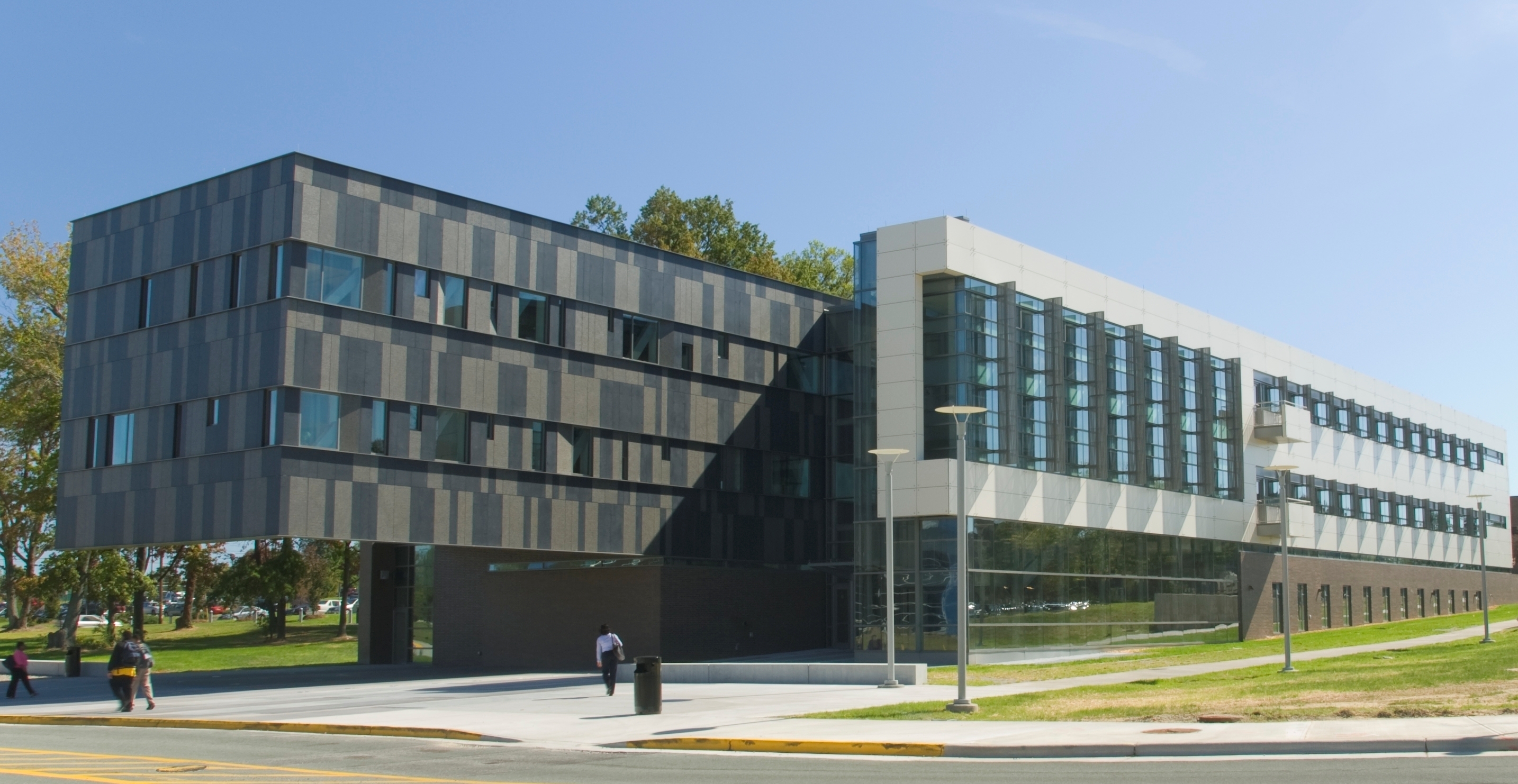
The North Carolina A&T University’s Samuel D. Proctor School of Education building serves as a keystone in the revitalization of the university’s main campus. With a design meant to “wow”, the structure’s 52 ft long by 40 ft wide, two-story cantilever is a dramatic statement for the future of the university. In addition, an adjacent three-story entry lobby includes tiered open space, an architectural stairwell and a cantilevered glass canopy. Many of the building’s unique architectural features also required additional consideration from the structural engineer. These included facade elements such as ribbon windows running the full length of the building and the black slate veneer. This blend of architecture and structure within the building is the perfect showcase for the future of education at the university.

52
ft

cantilever

40
ft

width

2
story

structure

parallax image
truss_construction_stewart-1

About the Structure

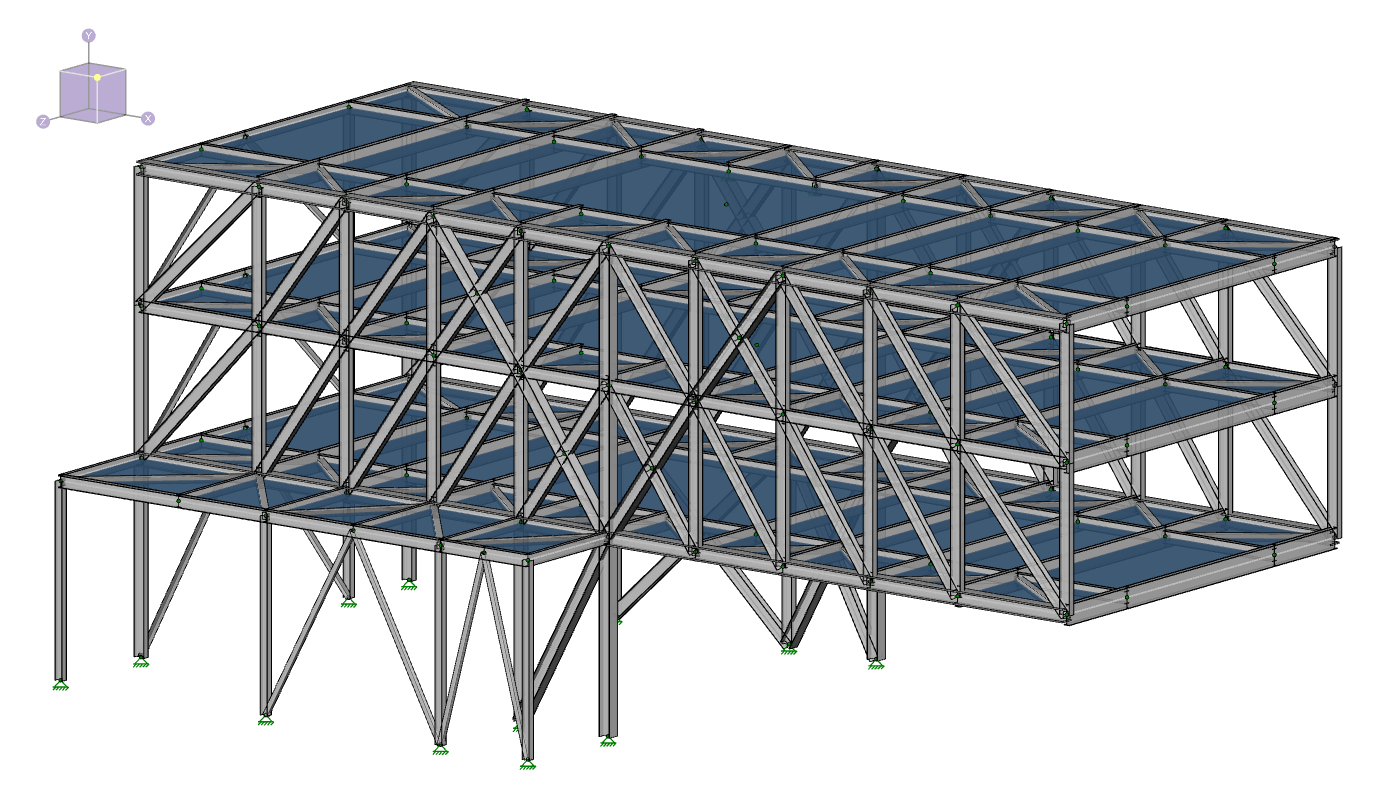
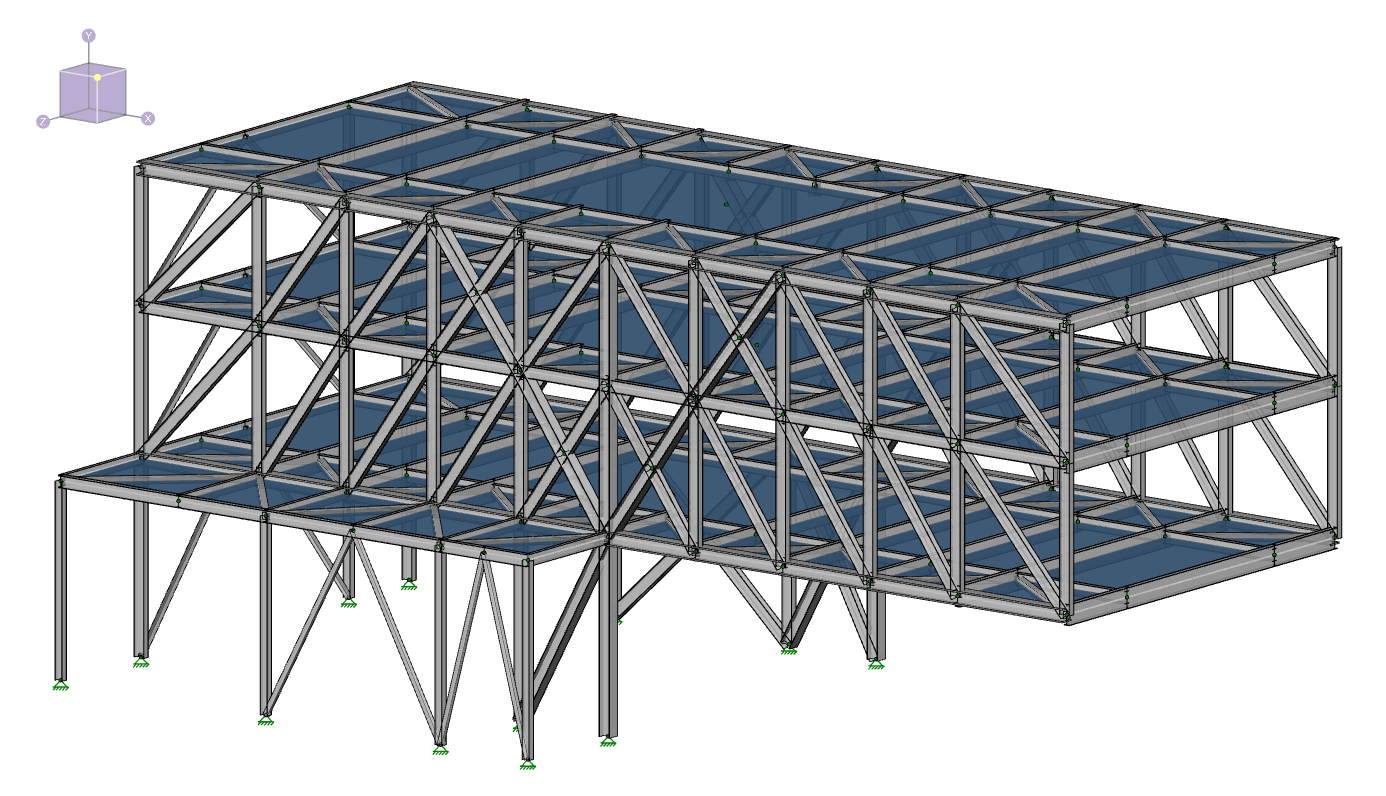
From a structural perspective, the building itself is separated into two main parts. The back portion consists of a relatively straightforward three-story, steel framed structure with a composite steel floor system and steel columns. This conventional system then gives way to the front of the structure which includes the same composite steel floor system built into a 52ft long, two-story tall cantilever which is supported by floor height trusses. To anchor a cantilever of this span, Stewart utilized a series of 12 rock anchors, situated in groups of 4 at each of the three back span columns, that were then drilled 6ft into bedrock and pretensioned to 75,000 lbs.

RISA does a very good job of analyzing unique geometry and providing design results that we trust.

Chris Herron, PE

parallax image

How Were RISA Products Utilized?

To analyze the complex portions of the structure, including the cantilever, engineers first utilized RISA-2D to analyze the trusses from gravity loading. Next, a more comprehensive RISA-3D model was built in order to validate results, allow for the analysis of out-of-plane loading conditions and to finalize the design of the steel truss members. Overall, RISA-3D gave the engineers the ability to quickly and accurately analyze the structure while also allowing for visual validation of deflections and localized stress points.

Image 1: James West Photography | Images 2-3: Trish Herron Photography

risa-icon-wht-1

Reach an Engineer

Connect with the Experts.
We have the engineering staff ready to assist you.