 By: Admin
What Are Physical Members?
Members (beams, columns, braces, etc.) are defined in RISA by an I-Node and a J-Node. While you and I see a beam occupying physical space...

Try the Complete RISA Suite for
10 Days FREE

RISA Education

Video Library

Online Help

Get Support

About Us
To best understand how plates interact with each other you must first understand the concept of Physical Members. The important thing to keep in mind is that plates are not physical members. A plate is defined using either three or four joints, and it only connects to other plates at those joints. Plates do not connect to anything along their edges, or in their interior. See the example below:
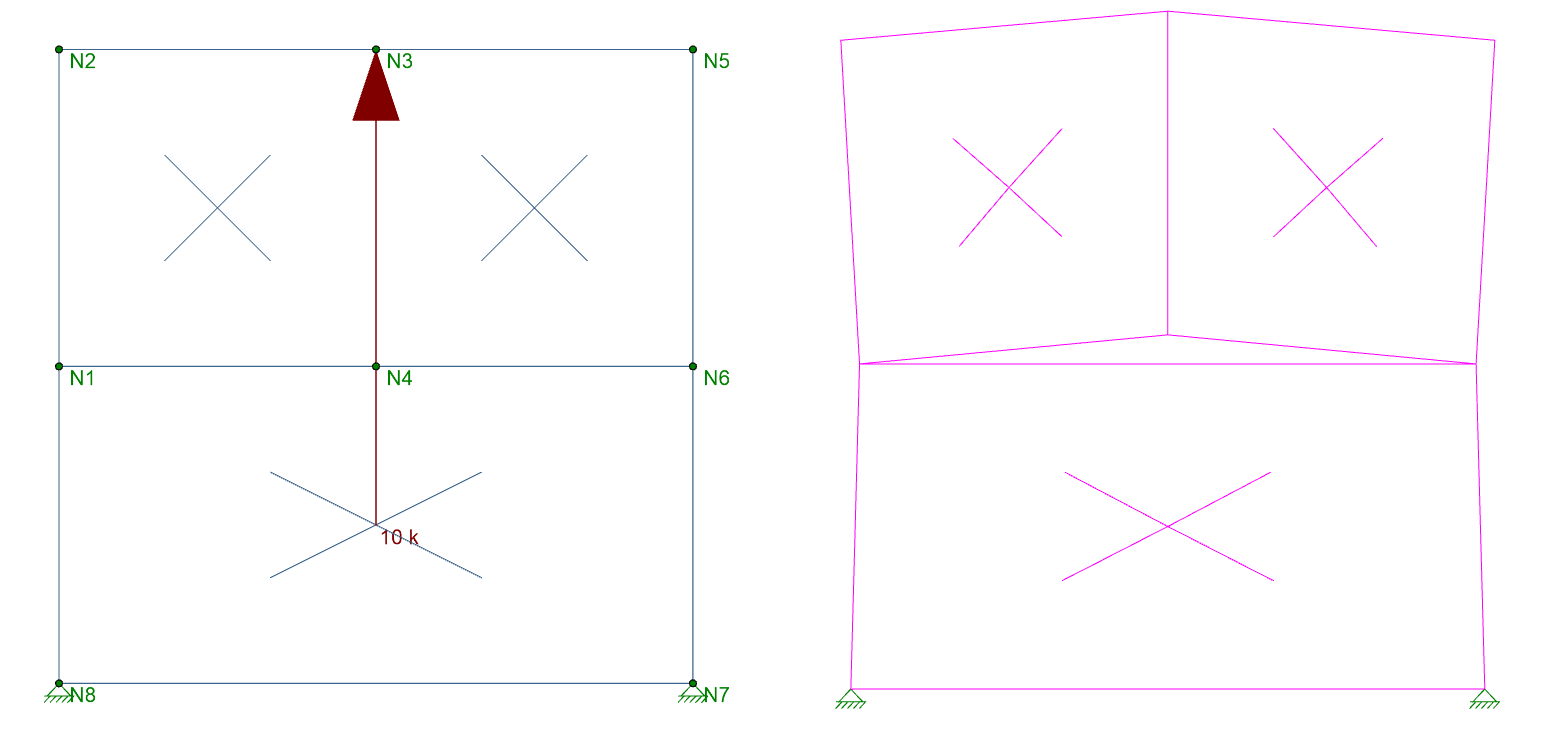
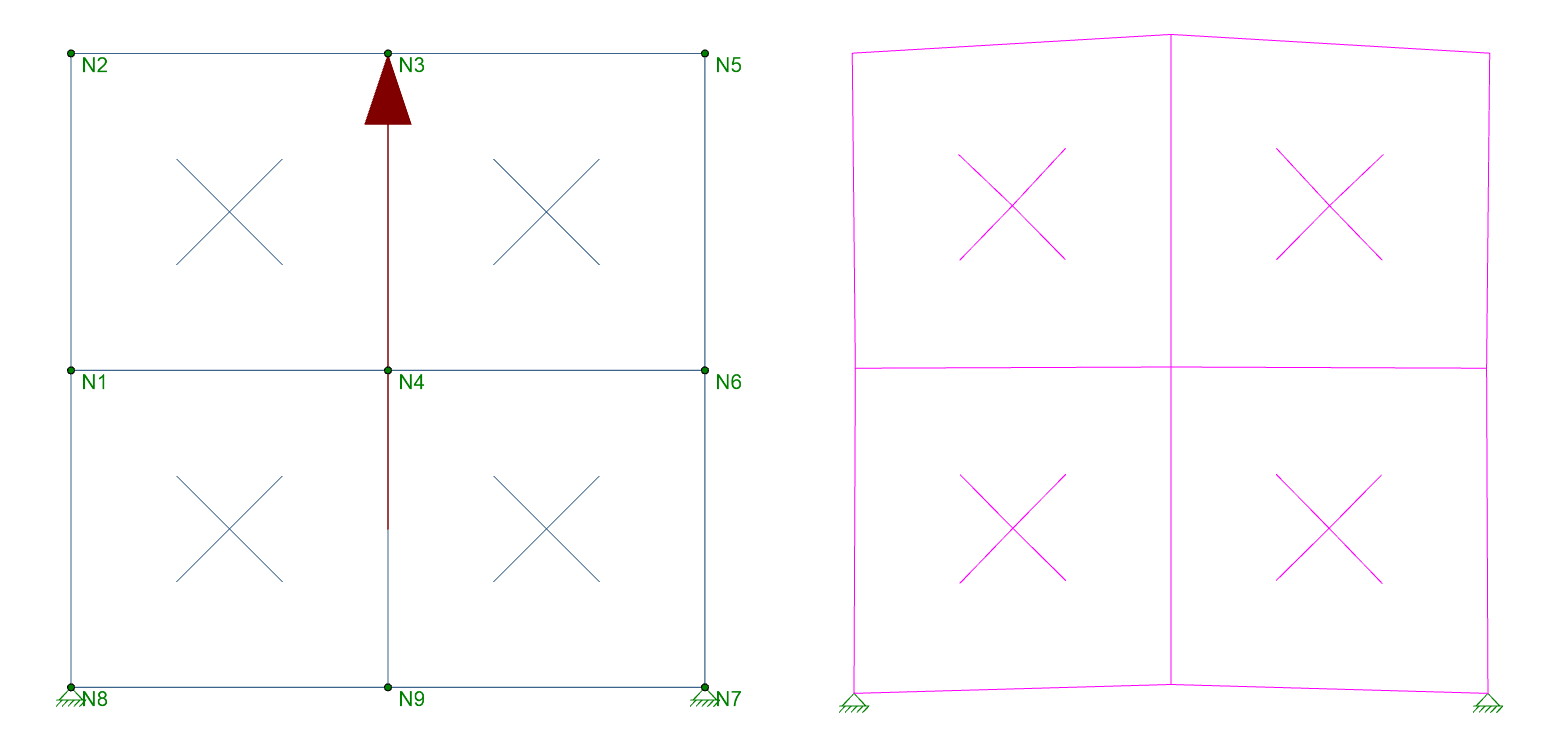
Node N4 falls along the edge of the bottom plate, and therefore it does not connect to the bottom plate. You should always avoid having a joint of any type fall along the edge, or in the interior of a plate. Usually submeshing can achieve this well, as shown below:
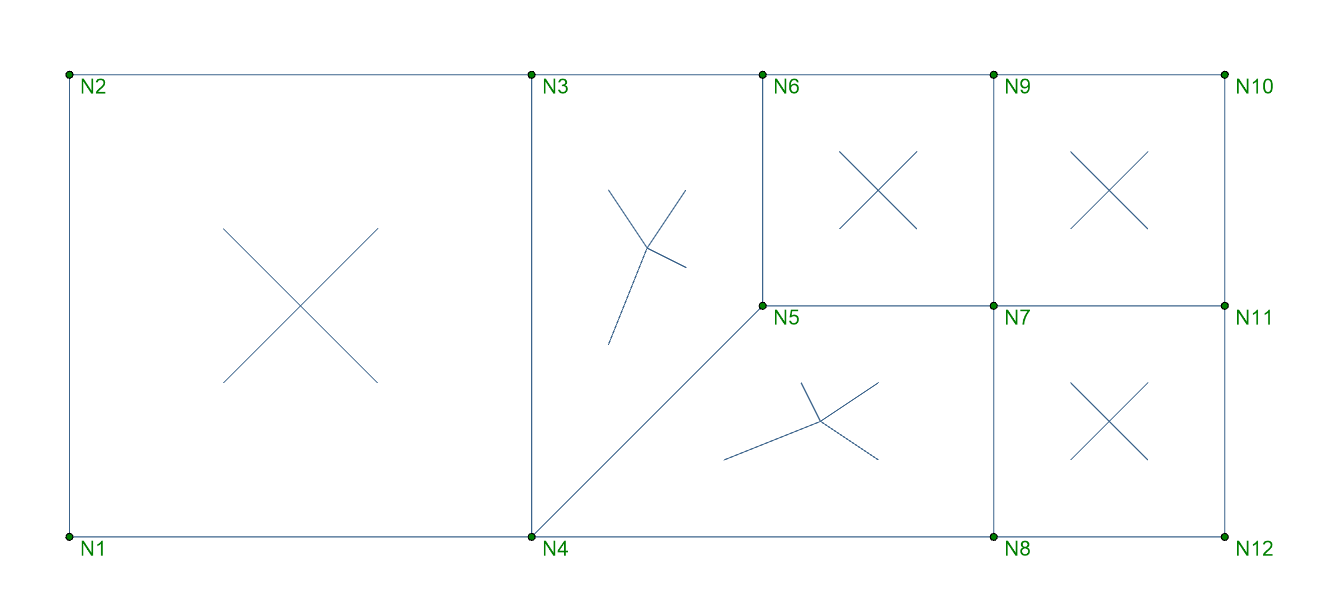
Where a finer mesh is required in some parts of your model you can use trapezoidal plates to transition between the coarse and fine mesh. Notice how the mesh in the example below transitions to one twice as fine without any plate joints falling along the edge of other plates:

Members (beams, columns, braces, etc.) are defined in RISA by an I-Node and a J-Node. While you and I see a beam occupying physical space...
-Nov-14-2025-05-30-58-1482-PM.jpg)
In the dynamic world of software management, user roles and permissions are crucial for effective and secure account management. The RISA Customer...
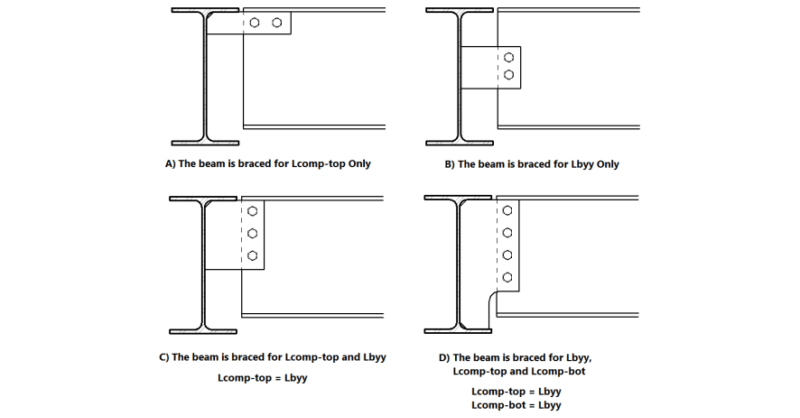
Understanding unbraced lengths and how RISA software accounts for them is essential in the design of any project. In RISA there are three main...