How Do I Dock Spreadsheets in RISA-3D?
Docking spreadsheets in RISA-3D can be a game-changer for streamlining your workflow. Whether you're managing complex data sets or need quick...

Try the Complete RISA Suite for
10 Days FREE

RISA Education

Video Library

Online Help

Get Support

About Us
In today’s structural engineering world, software plays a crucial role in optimizing workflows, ensuring accuracy, and ultimately, saving time. When considering software investments for small structural projects, one of the most frequent questions asked is:
How much does RISA-3D actually cost in the context of a project?
It's a fair point, so let’s dive to answer that.
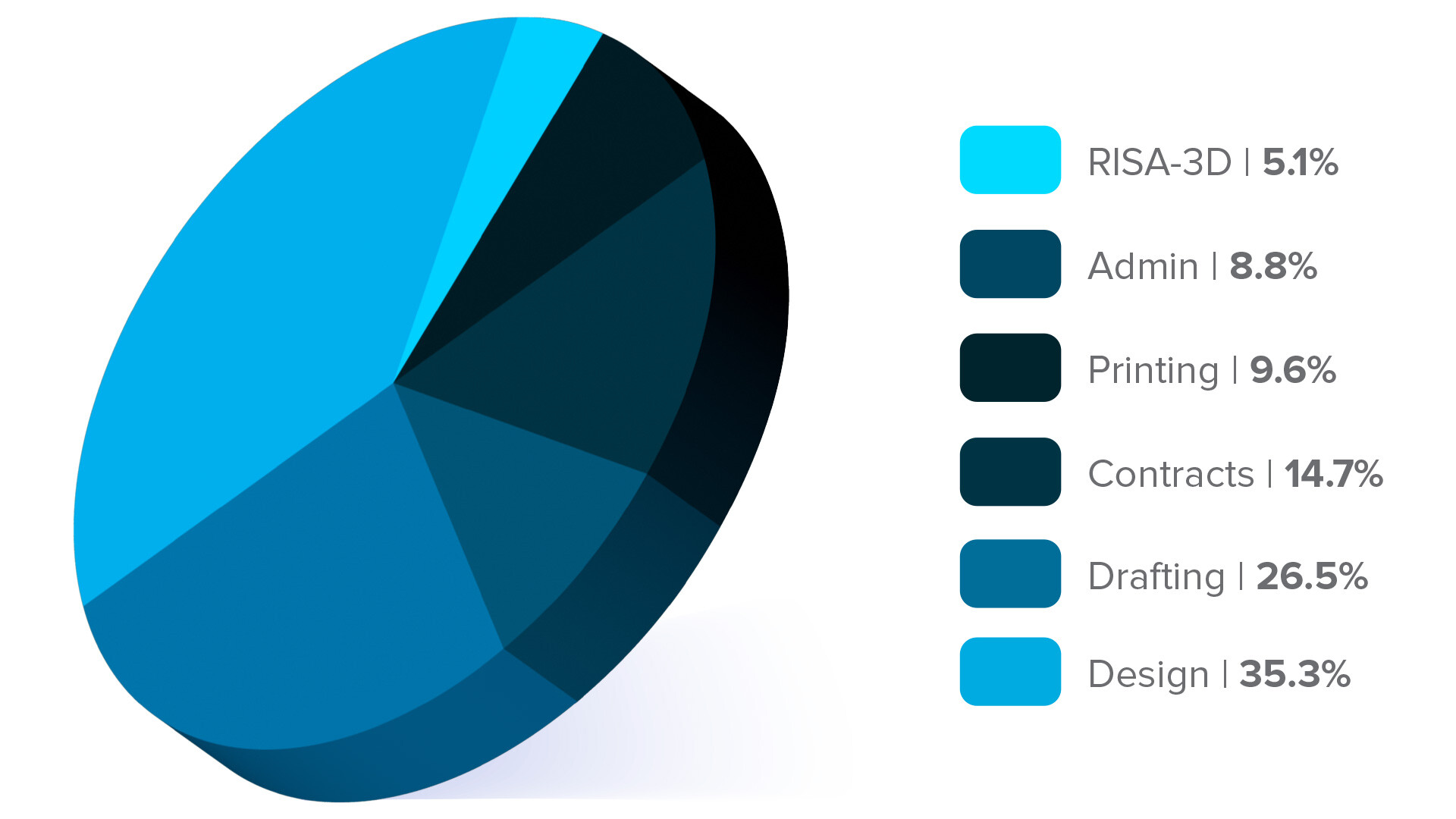
In this case study, we explore how a small firm of 1-2 engineers, completing about 12 projects a year (6 small, 6 mid-sized), integrates RISA-3D into their project costs. We’ll examine a project with the billable cost breakdown calculated across six categories: RISA-3D, Printing, Contracts/legal/insurance, Construction Administration, Drafting, and Design.
RISA-3D’s prorated cost is allocated based on its usage per project, while printing and legal/insurance expenses are calculated as flat rates. Consider a single license of RISA-3D costs around $2,070 annually. If this firm takes on 12 jobs in a year, the cost per job comes out to $172.50. Time-based categories like construction administration, drafting, and design are multiplied by hourly rates for engineering and drafting. All these costs are summed to provide a project cost estimate.
Small-sized Project
For a small project, RISA-3D typically represents around 5% of the total project cost. For instance, on a project with total billed costs of around $3,400, RISA-3D's prorated share comes out to $172.50. This relatively small expense provides enormous value by reducing manual calculation time and improving design accuracy.
Mid-sized Project
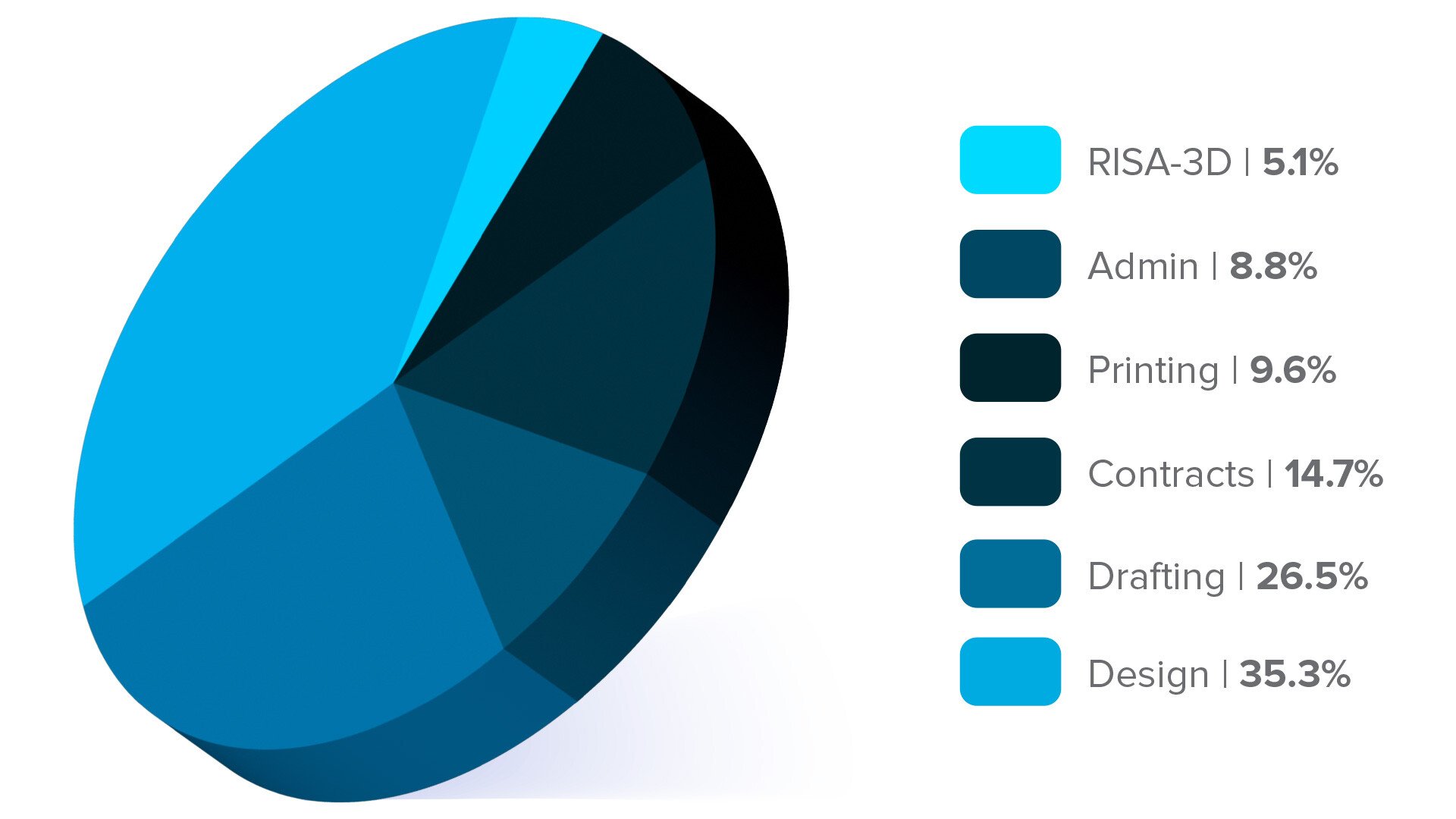
On mid-sized projects, RISA-3D accounts for only 2% of the total project cost. For a mid-sized job that bills around $11,450, the same $172.50 is spent on RISA-3D, yet the software enables the firm to handle more complex tasks like wind design and detailed structural analysis.

While the actual dollar amount of RISA-3D's cost in a single project might seem small, its impact is anything but. From 5% in small projects to just 2% in mid-sized jobs, the cost of using RISA-3D is far outweighed by the time savings and the increased capacity it provides for handling more projects and more complex designs.
The real value of RISA-3D isn’t just in its cost—it’s in the time it saves. Imagine a typical small project taking around 10 hours of design and calculations by hand. In the case study above, we prorated RISA-3D's cost to be $172.50 per project (or the same as $172.50 per month). Let's consider an engineering billable rate is $130-$150 per hour. If RISA-3D reduces that workload by just 1.5 hours—boosting efficiency by 15%, that 1.5-hour time savings means you've already made back the $172.50 cost of RISA-3D.
In both small and mid-sized projects, RISA-3D’s ability to streamline modeling, eliminate back-and-forth with customer support, and ensure clarity in calculation packages, RISA-3D gives engineers a significant boost in efficiency. Even a small improvement, like saving 1.5 hours, can cover the software’s cost and enhance productivity, making it a game-changer for small firms looking to maximize their time. Thus allowing smaller firms to take on more work, effectively boosting their annual revenue without significantly increasing operating costs.
In the fast-paced world of structural design, RISA-3D is more than just a line item on the budget—it’s a tool that drives profitability and growth.

***Assumptions for the Cost Breakdown
Software Prices: The annual cost of RISA-3D is based on 1st license prices as of September 2024. Price per project was then that rate divided by 12 annual projects.
Task Rates: This analysis is based on typical US project rates and timelines. It includes standard hourly rates for design and drafting, expected time for tasks, and typical costs for printing and documentation. Legal and insurance fees are included as flat-rate expenses.
These assumptions may vary depending on project complexity, location, and firm size, so it’s essential to adjust based on specific project needs when evaluating costs.
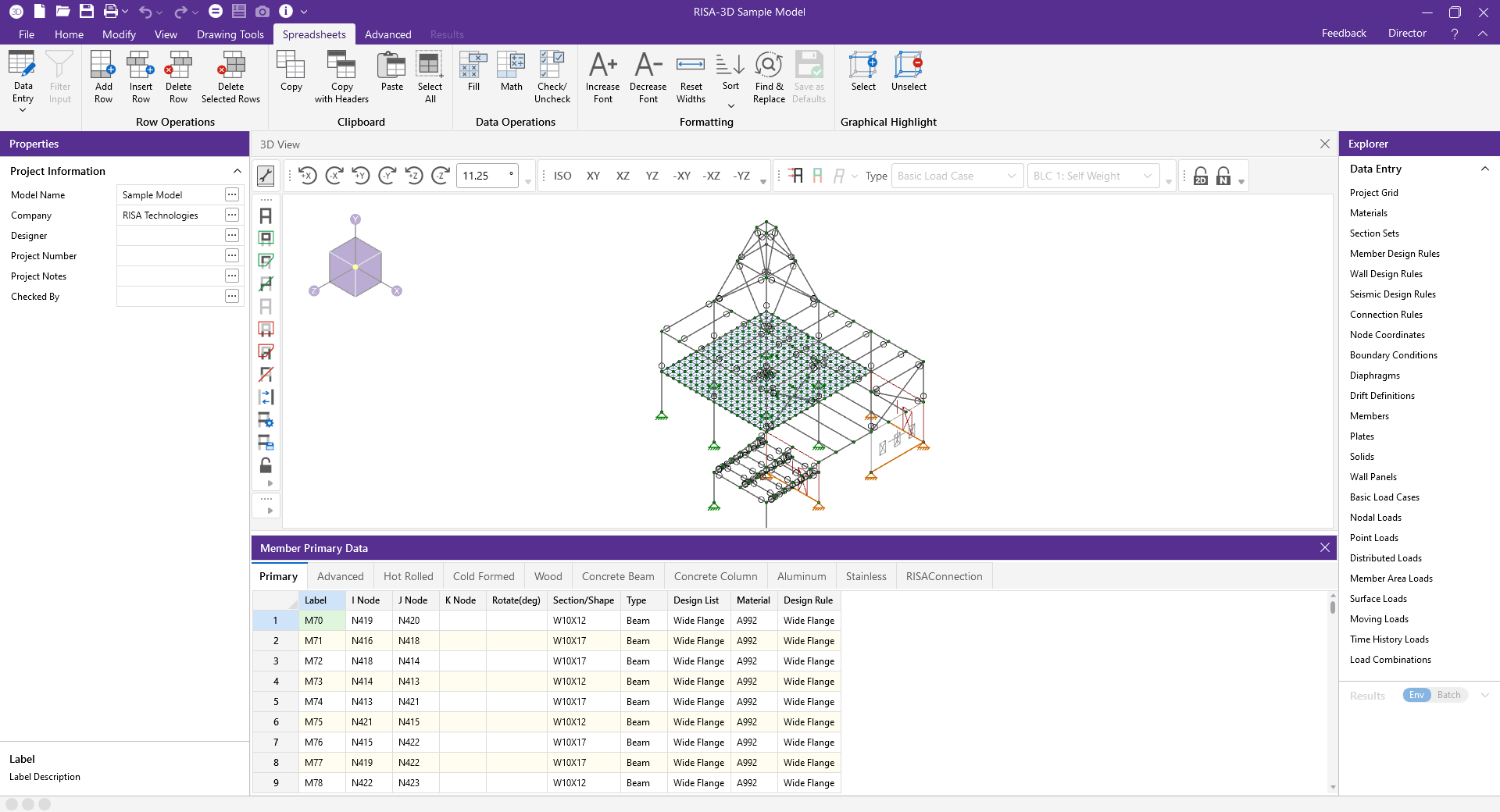
Docking spreadsheets in RISA-3D can be a game-changer for streamlining your workflow. Whether you're managing complex data sets or need quick...

Modular construction is making waves in the infrastructure world, revolutionizing how we build everything from bridges to buildings. By assembling...
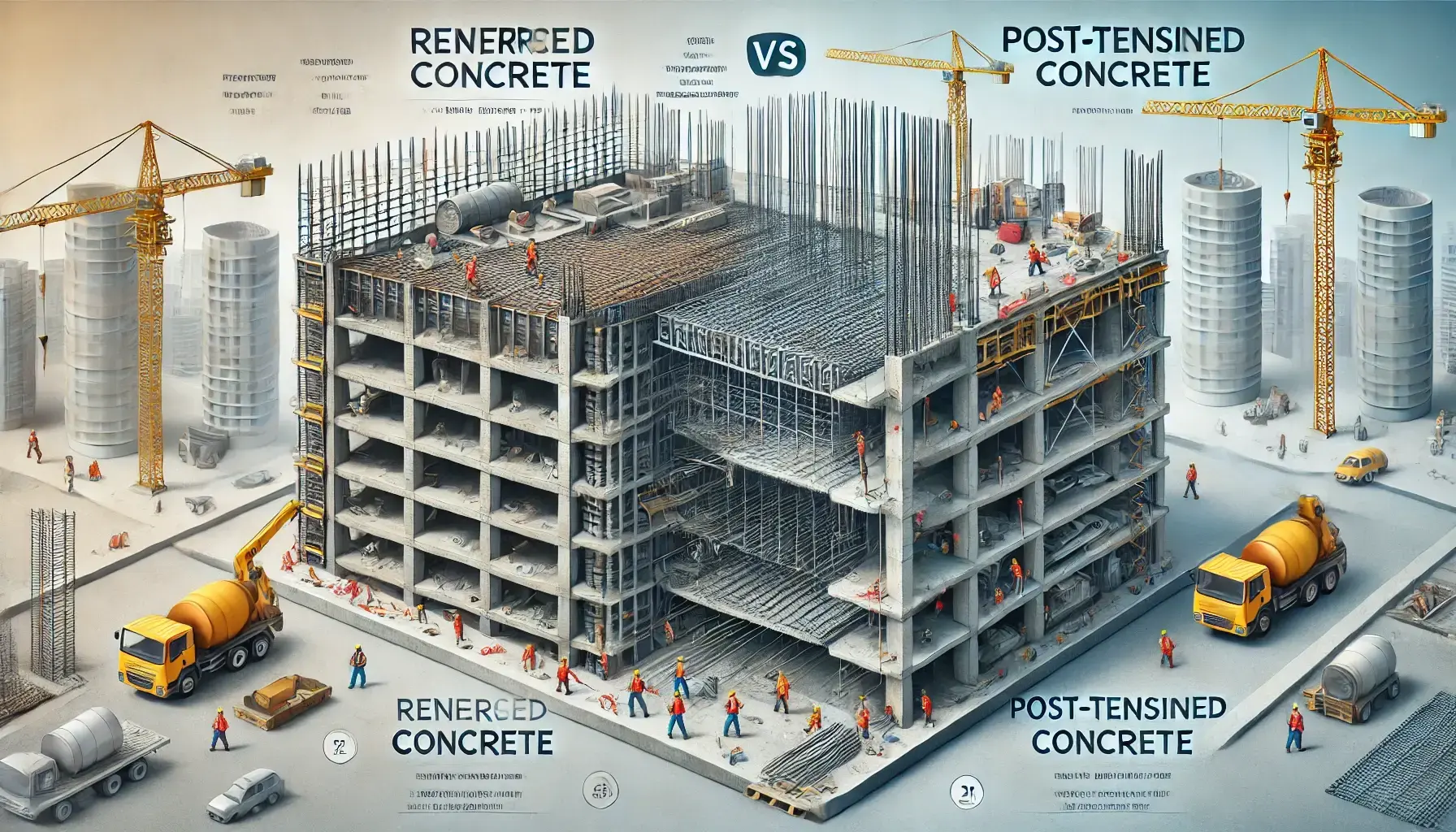
When designing a concrete structure, engineers must decide between conventionally reinforced concrete and post-tensioned (PT) concrete. This...