By: Admin
Using Sum of Reactions in RISA-3D
RISA-3D will now check your model for errors by summing the reactions in your model and comparing them to the applied loads. This occurs for the...

Try the Complete RISA Suite for
10 Days FREE

RISA Education

Video Library

Online Help

Get Support

About Us
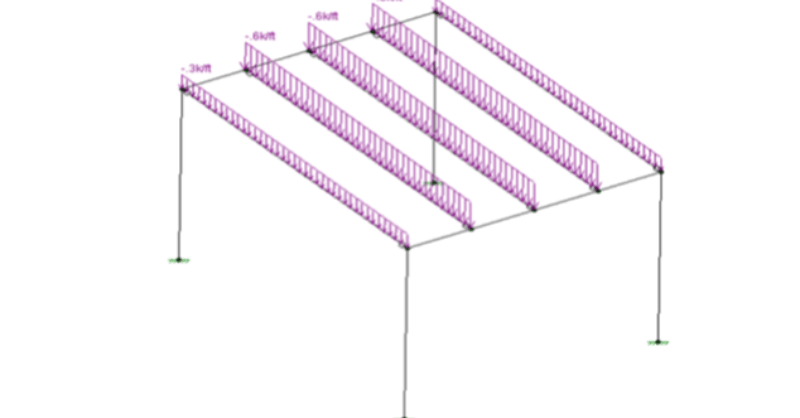
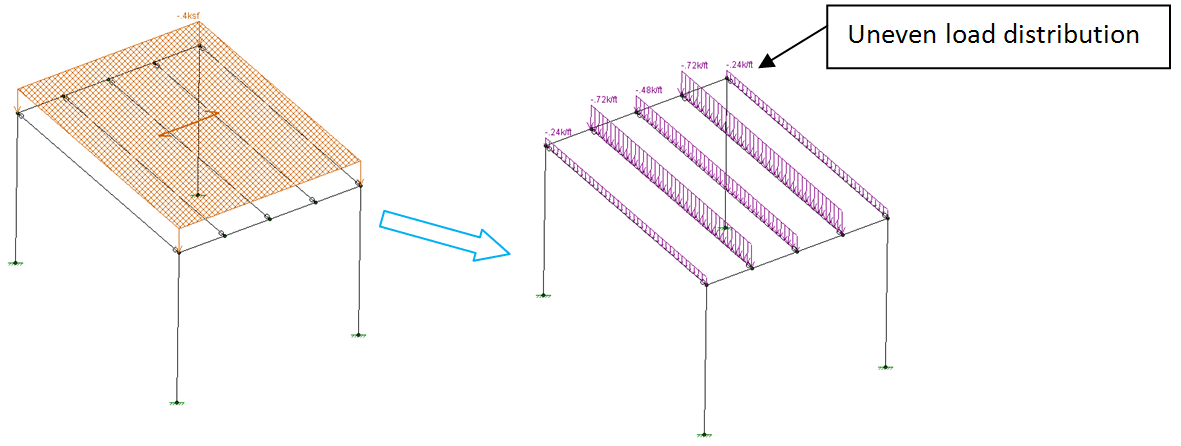
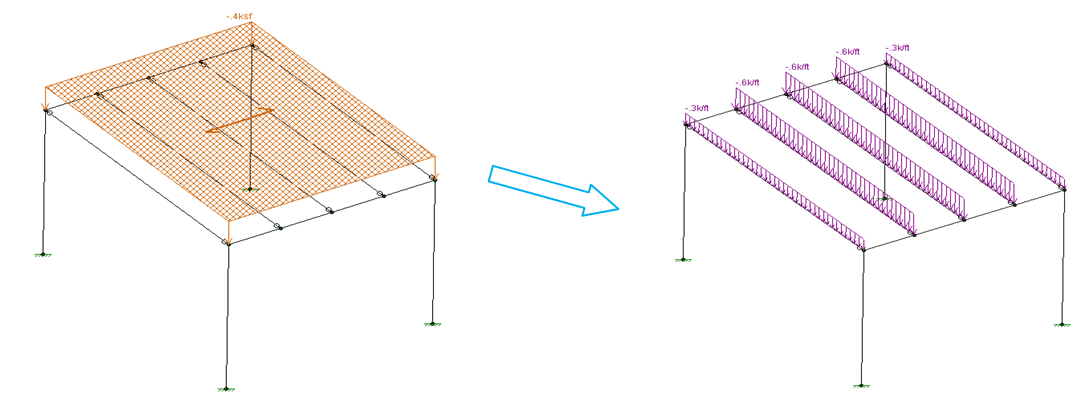
After solving a model with Member Area Loads, RISA-3D will automatically create Transient Basic Load Cases that allow the user to verify load distribution.
For information on how to view this distribution, please see the article "Using Transient Loads to Verify Applied Area Loads in RISA-3D".
If this load attribution is not what you’d expect, you can adjust the Area Load Mesh entry, which controls the fineness of this distribution.
This feature is located on the Solution tab of Model Settings:
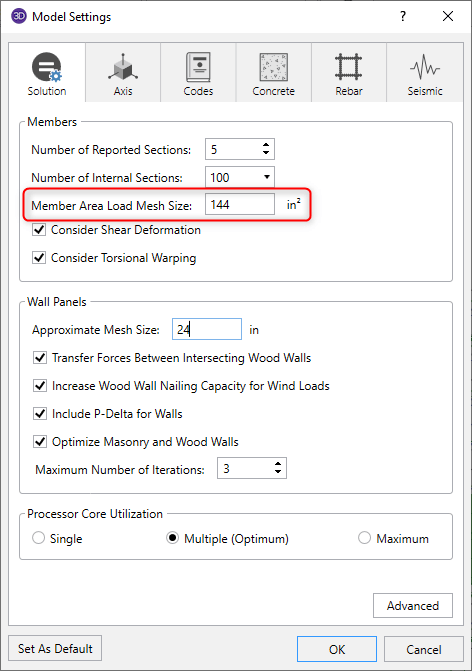
If you have a model with closely spaced members, you can lower this value to achieve a finer area load mesh and therefore a more accurate load distribution.
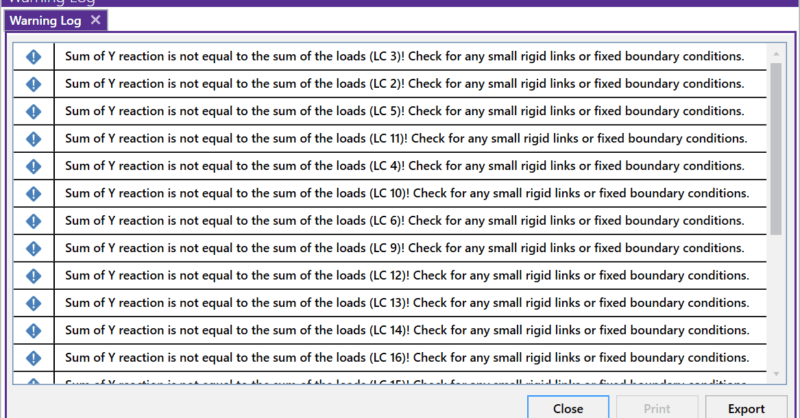
RISA-3D will now check your model for errors by summing the reactions in your model and comparing them to the applied loads. This occurs for the...
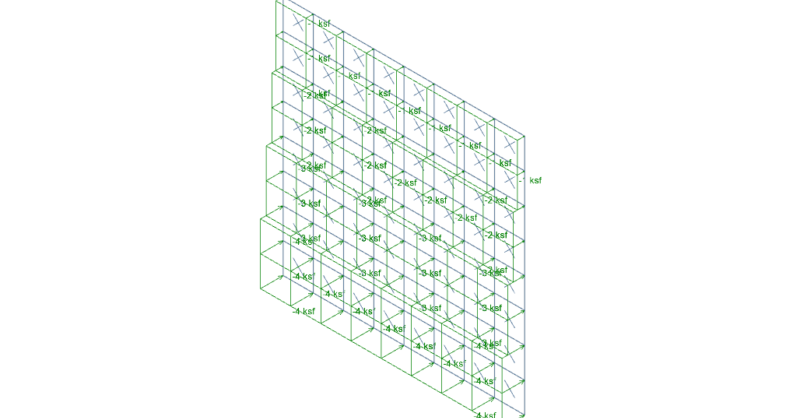
It’s easy to apply tapered surface loads to plates in RISA-3D by stepping up the loads from one level to the next.