 By: Admin
Importing a Time History Function
New in RISA-3D v14 is the introduction of a Time History analysis feature. Time history functions may be generated directly in the program based...

Try the Complete RISA Suite for
10 Days FREE

RISA Education

Video Library

Online Help

Get Support

About Us
RISA allows you to define “Ramp Up Functions” to control how the force and frequency vary during this initial startup time. Typically cyclic equipment loading is applied as a reduced force or frequency when it is initially starting up. It would be overly conservative if it were assumed that the equipment instantaneously reaches its operating force and frequency.

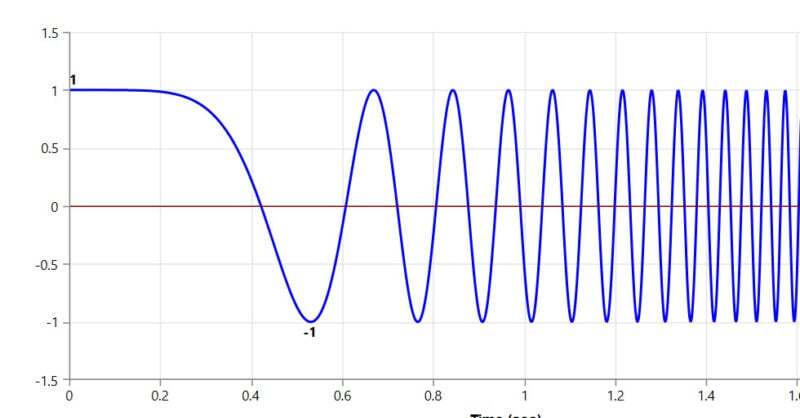
You can enter the duration of time it takes for the equipment to reach it steady state force and frequency, and whether the frequency is constant versus a linear or quadratic function during this time. See the image below for a quadratic variation in the frequency of a sine function:
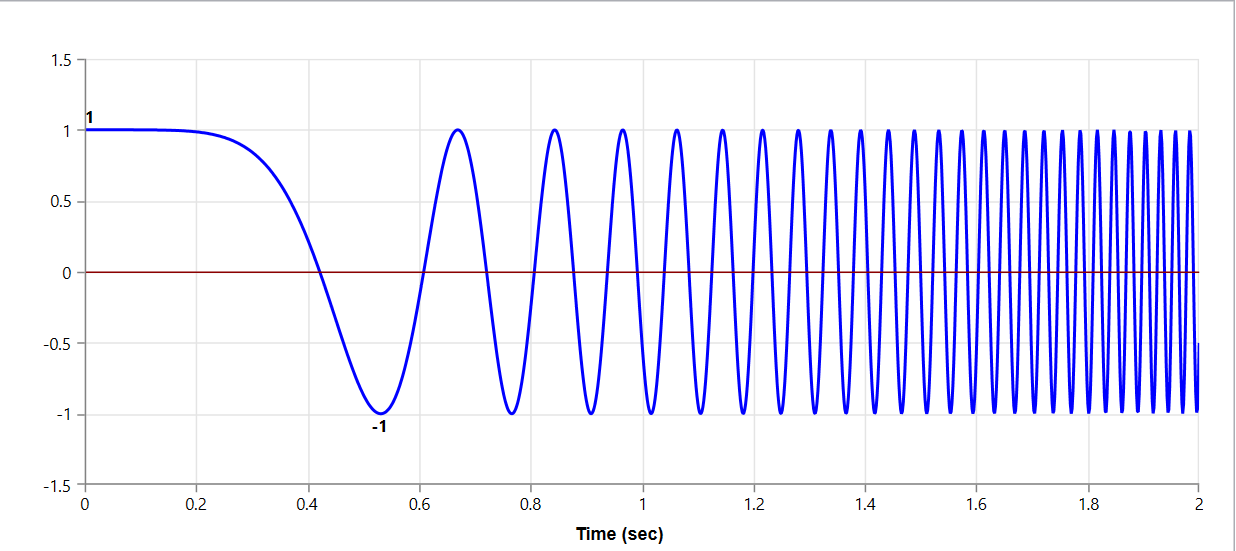
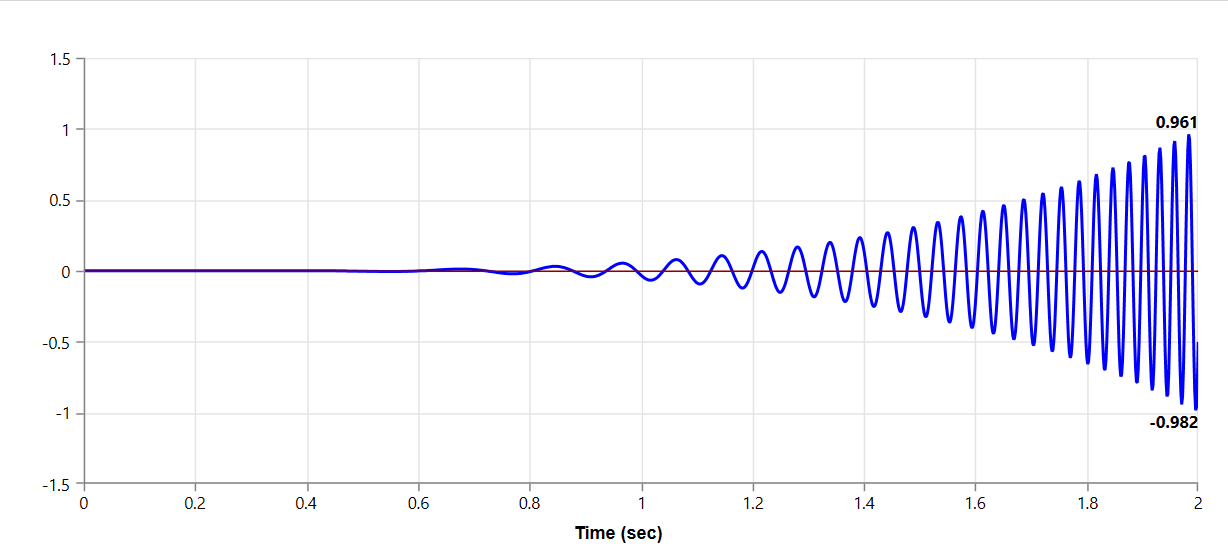
You may also vary the magnitude of the function during this start up time. It can be constant (as shown in the image above) or it may vary linearly, quadratically, or automatically calculated by the program as a function of the operating frequency. When the AutoCalc option is chosen, the magnitude will vary with the square of the frequency. See the image below for the AutoCalc option for a linearly varying frequency change:
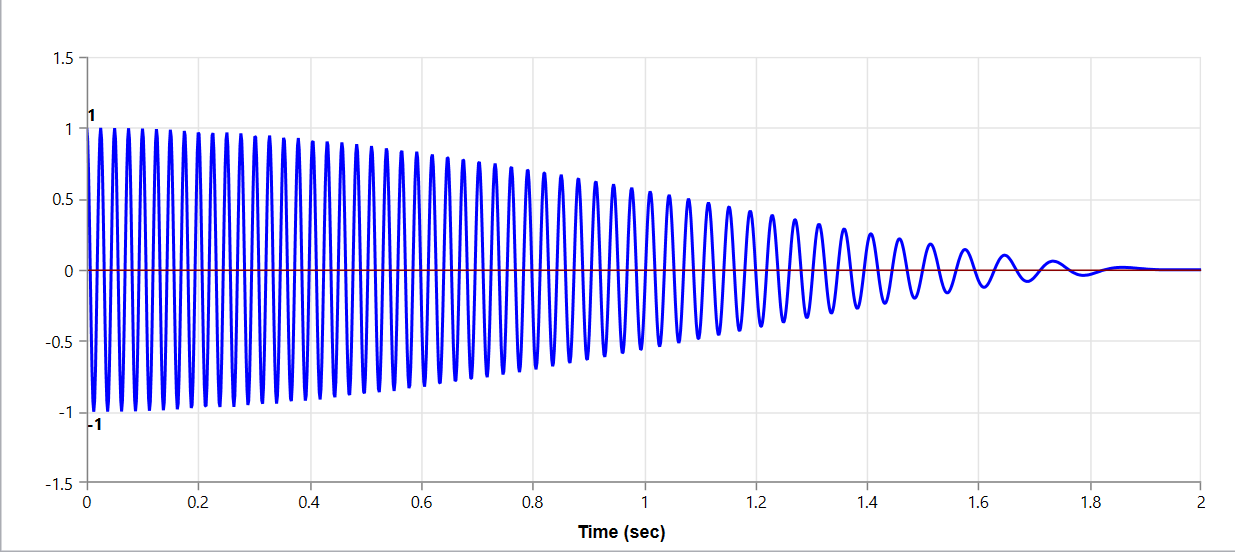
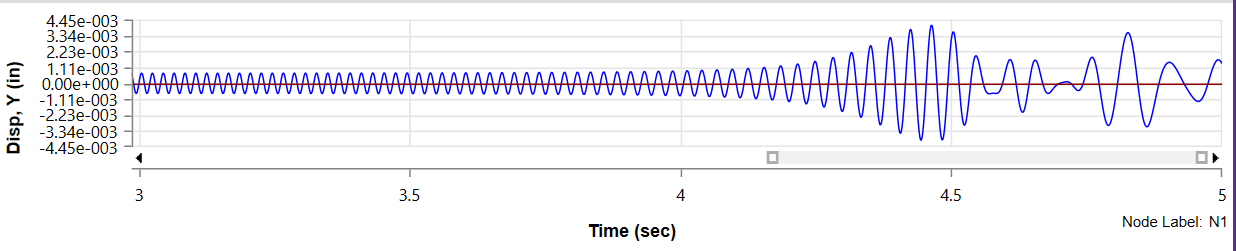
The same concepts apply in reverse when the equipment is turned off. The equipment doesn’t stop its motion immediately, but rather coasts to a stop. This is less of a concern than ramp up because there isn’t a discontinuity in the observed Time History results the way there is during equipment start up. However, it is common for the natural frequency of the equipment to be higher than the frequency of the structure. If the equipment coast downs happens slowly the structure’s vibration may increase as the slowing equipment frequency passes through the resonant frequency of the structure.

Below is an example of a Quadratic coast down function with the Magnitude change set to AutoCalc:
You can find an example model called TH_Pump_Fdn.r3d in the RISA\Examples folder on your computer. This example shows two types of near resonance occurring during the coast down period as shown in the image below (Load Combination 2). This occurs because the operating frequency of the equipment is 3000 RPM (50Hz), but the natural frequency of the pump foundation for vertical translation is 27 Hz and rocking frequency is 12 Hz:

New in RISA-3D v14 is the introduction of a Time History analysis feature. Time history functions may be generated directly in the program based...
Time history analysis solves for normal analysis results (joint displacements, member forces, code checks, etc.) based on loading that varies with...
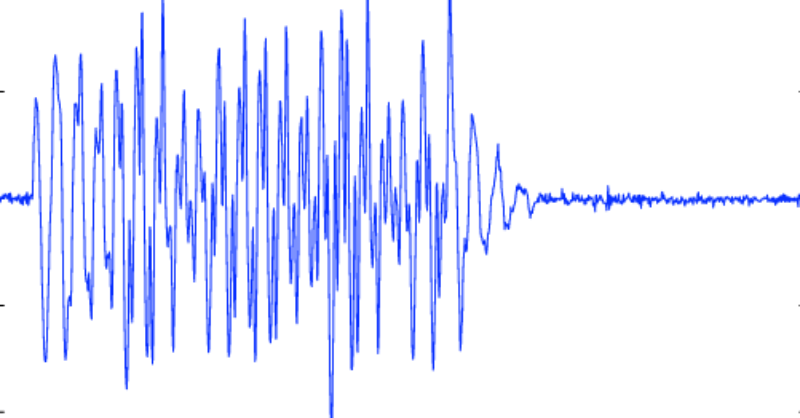
The Pacific Earthquake Engineering Research center (PEER) has a large library of measured earthquake records. Below is an example of how to...