 By: Admin

How to Use Seismic Factors in Load Combinations in RISA-3D
RISA-3D now has the ability to define the seismic parameters Rho, Omega and SDS directly into load combinations. If you open the Basic Load Cases...

Try the Complete RISA Suite for
10 Days FREE

RISA Education

Video Library

Online Help

Get Support

About Us
V-Brace frames in RISA-3D seismic design have unbalanced forces shown on both the beams and braces. As brace frames displace under lateral loads, one brace will buckle and its force decreases while the other brace in tension will have an increase of force until it reaches yield.
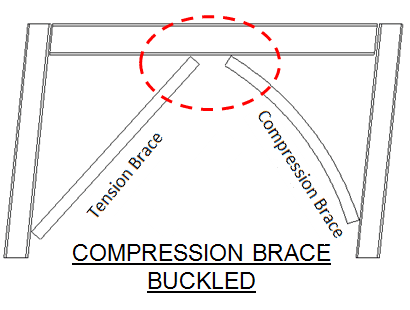
The beam and connections must have enough strength to resist this unbalanced vertical force. The brace forces are shown in the beam and brace detail report as well as the resultant unbalanced force per AISC 341-10 Section 13.4.
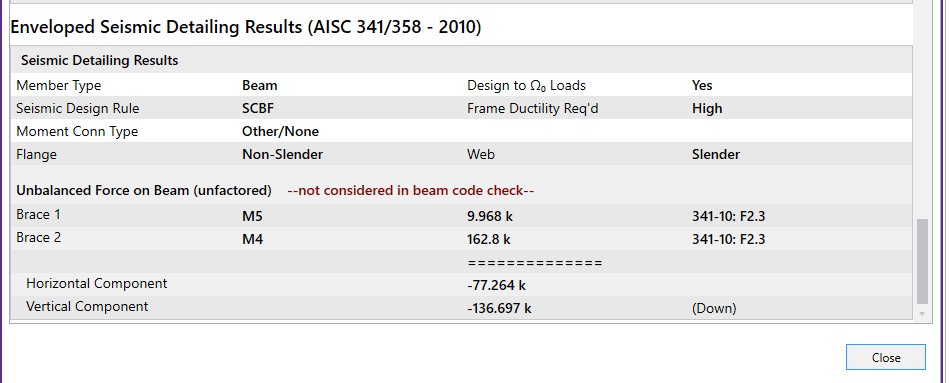
RISA-3D does not automatically apply these forces to the beams. To account for the unbalanced vertical force in your model, you can apply these vertical point loads in RISAFloor without the braces present.
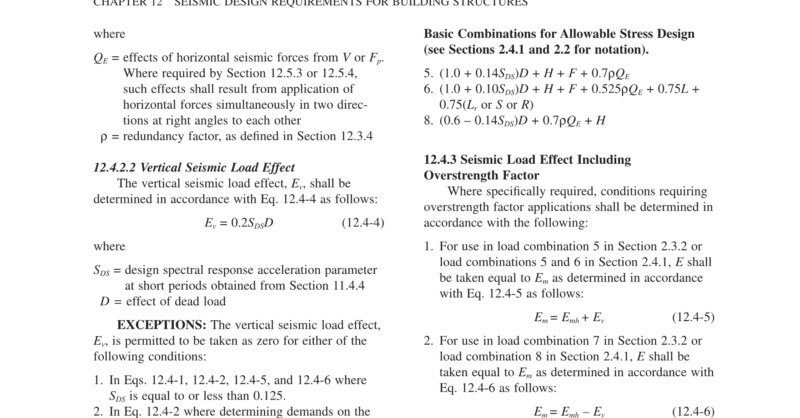
RISA-3D now has the ability to define the seismic parameters Rho, Omega and SDS directly into load combinations. If you open the Basic Load Cases...
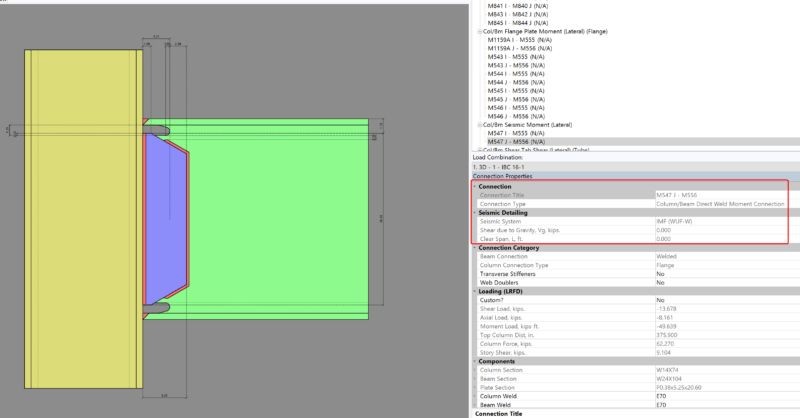
Design for seismic connection detailing is now available in RISAConnection and you can use the connection rules within RISAFloor and RISA-3D to...
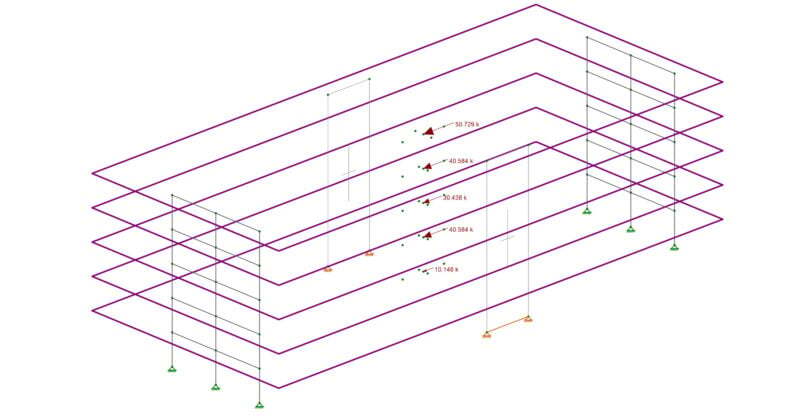
Applying seismic loads to structures with rigid diaphragms can be done automatically in RISA-3D. In the image below we have a structure that has...