Orthotropic Plates in RISA-3D
RISA-3D includes the ability to define the plate methodology of a material as orthotropic. In structural analysis and design, it may be useful to...

Try the Complete RISA Suite for
10 Days FREE

RISA Education

Video Library

Online Help

Get Support

About Us
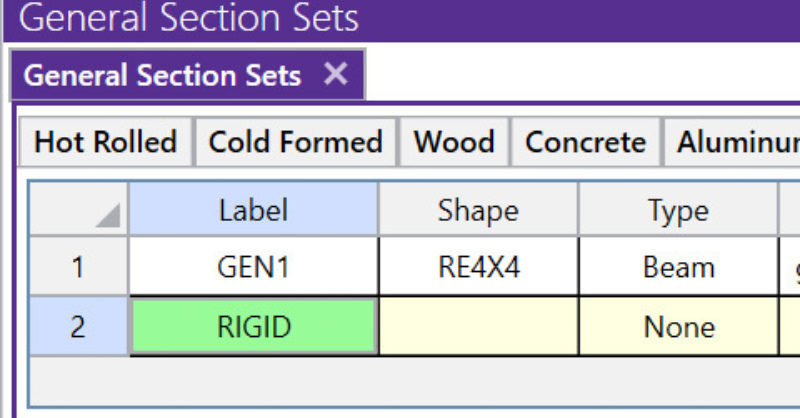
A rigid link is a member element in RISA-3D that can be used for many advanced modeling procedures. It is so useful that it is included as one of the default member Section Sets, as you’ll see below.
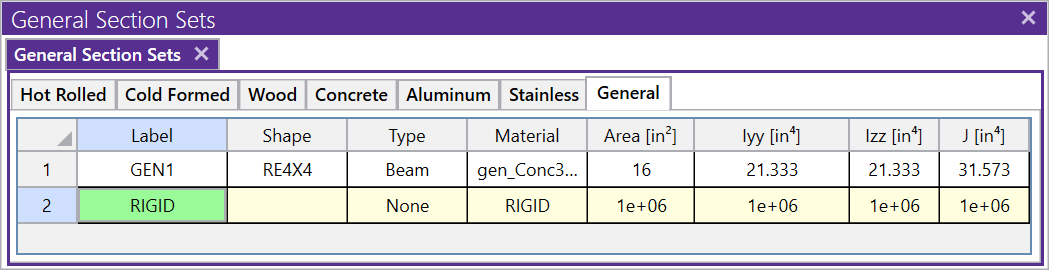
On the General tab of the Section Sets spreadsheet there is a default “RIGID” Section Set that uses the “RIGID” material. You can see the cross-sectional properties make the section very rigid.
You can also open the General tab of the Materials spreadsheet to see the material properties assigned to the “RIGID” material. It has very stiff material properties with zero density so that it does not create any erroneous additional self-weight.
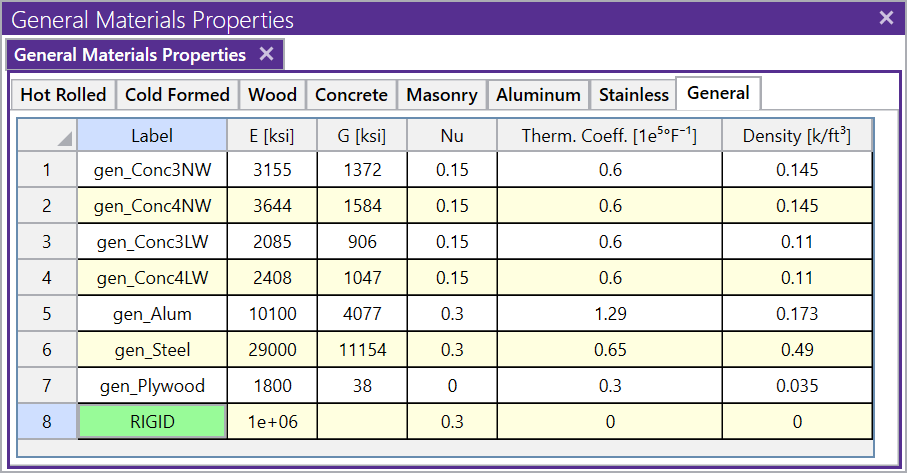
As you can see from the properties above, a dummy member is a very stiff member which can be used to help transfer forces from one point to another. This can be useful for a number of advanced modeling techniques in RISA-3D, such as offsetting elements or modeling composite behavior.
A great example of how to use Rigid Links is Offset Connections.

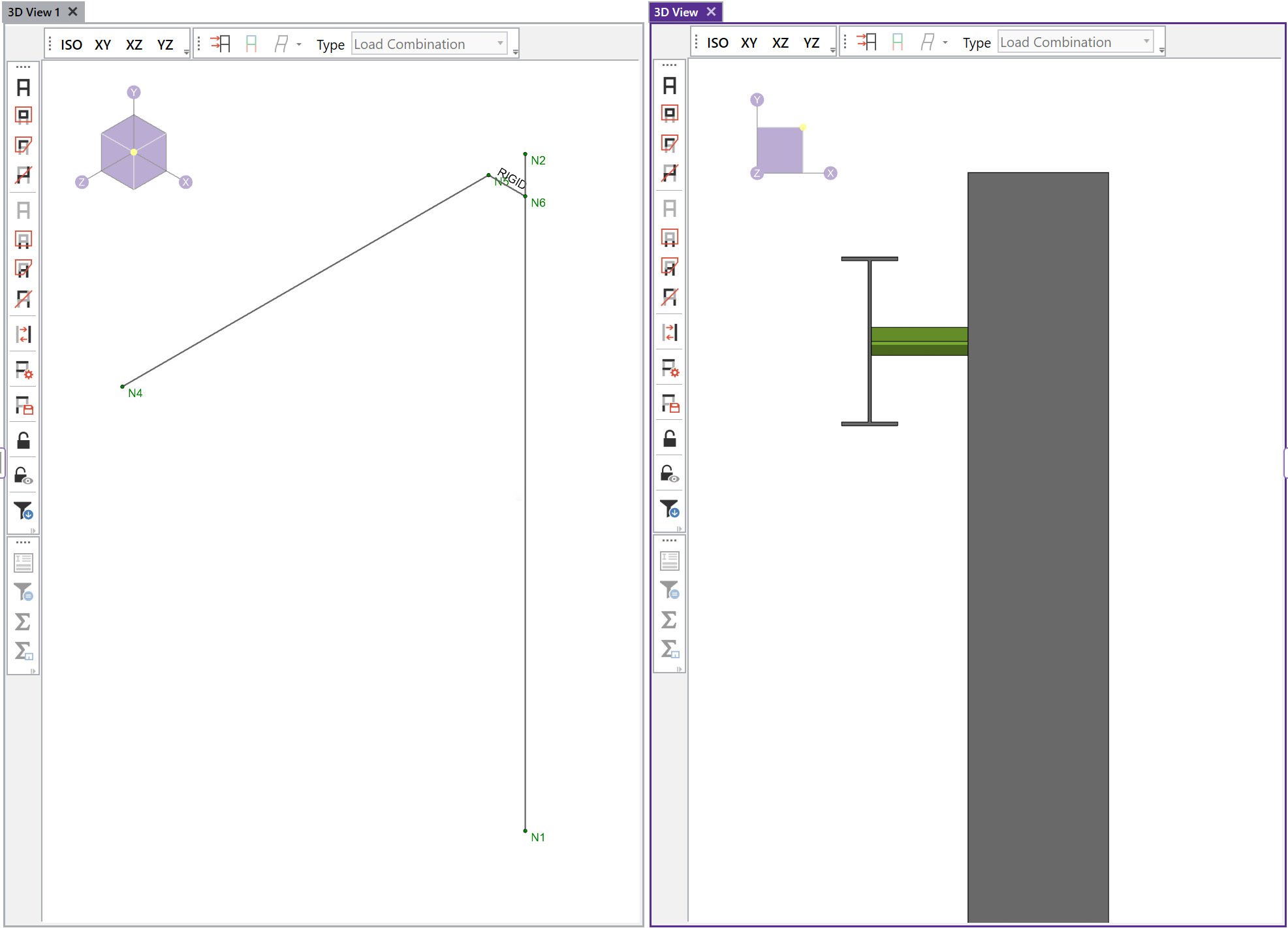
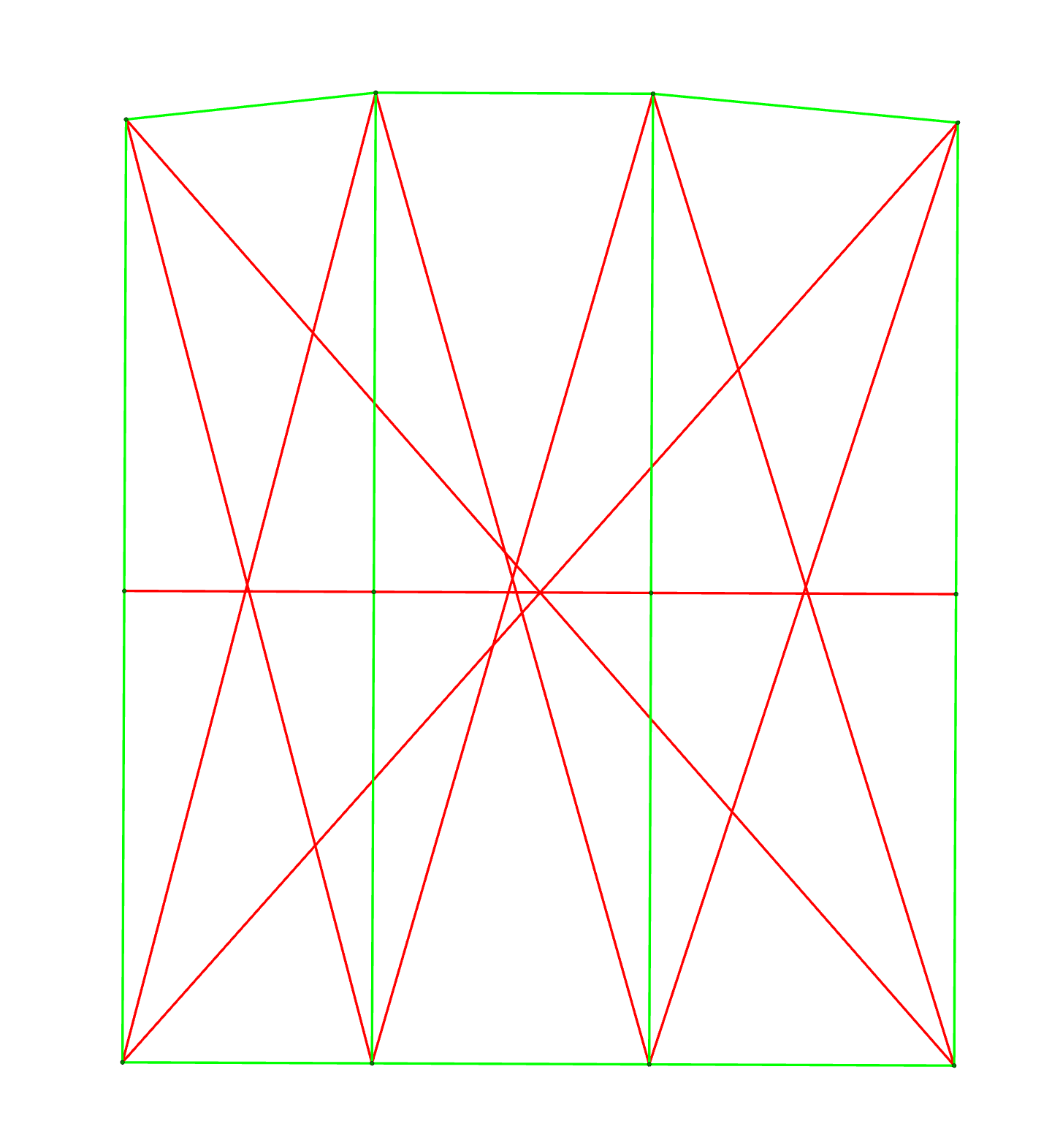
Another use for these rigid link members is in RISA-3D rigid diaphragms.
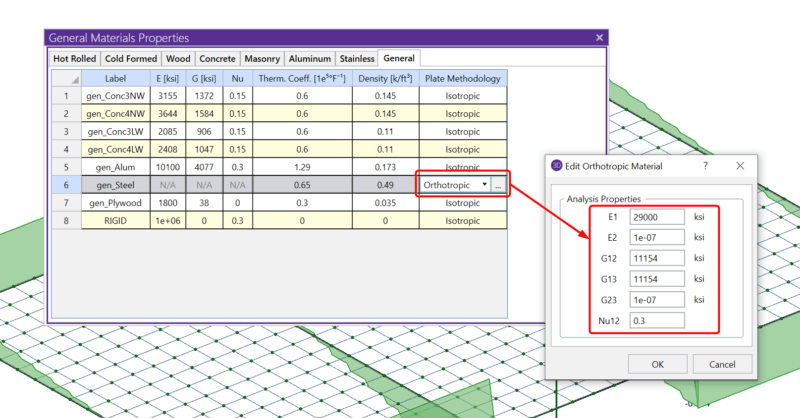
RISA-3D includes the ability to define the plate methodology of a material as orthotropic. In structural analysis and design, it may be useful to...
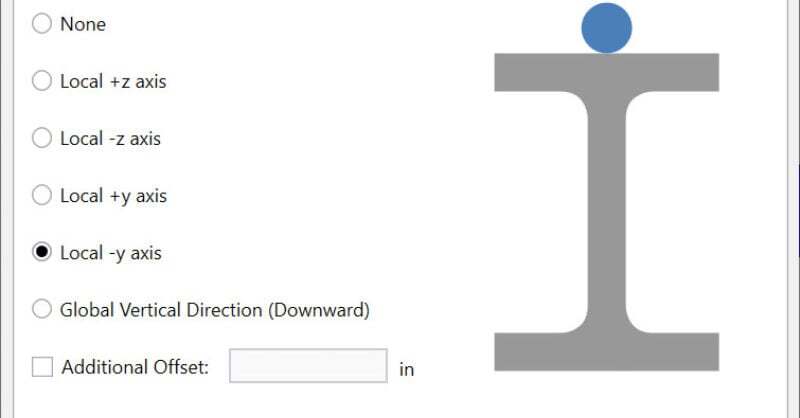
Have you ever wondered what the Analysis Offset feature does? Let’s take a look at how this feature can be used to model members at top of steel.