


 By: RISA
How do Unbraced Lengths affect Analysis?
The axial compression and flexure strength of beams and columns is...
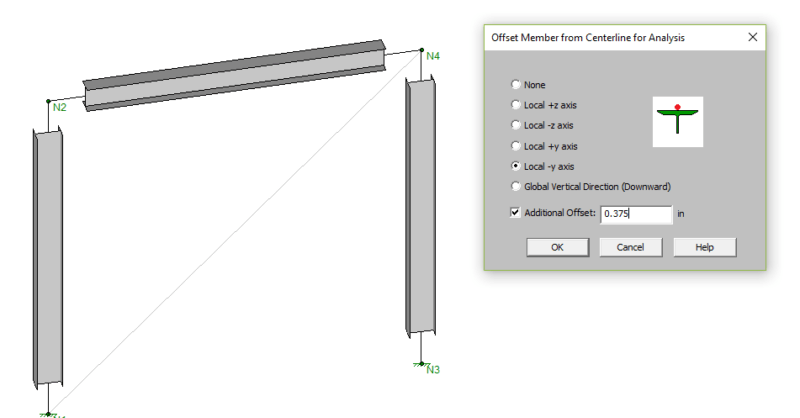
RISA-3D v15 includes "analysis offsets" which moves the centroid of the member for analysis allowing for flexibility in how members are designed. Let's use a WT brace to demonstrate how this feature can be utilized. When you model a WT brace it exists at the member centroid, which means that no bending ends up in the brace due to the fact that the brace is actually eccentric to the braced frame.
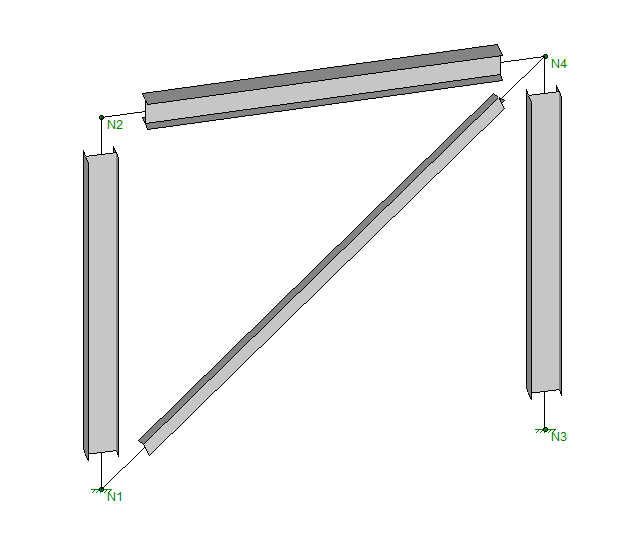
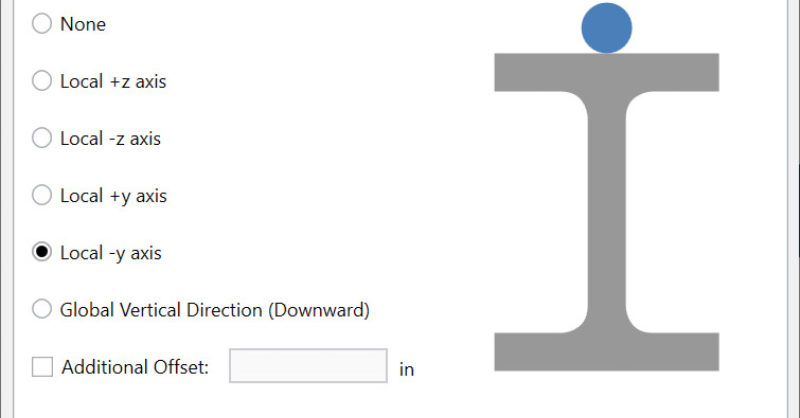
Recently, we've added a feature called “Analysis Offset” which moves the centroid of the member for analysis. In the example below the flange of the WT is bolted to a gusset that is ¾” thick, so we would want the centroid to be moved to the face of the flange, plus half the gusset thickness (3/8”):
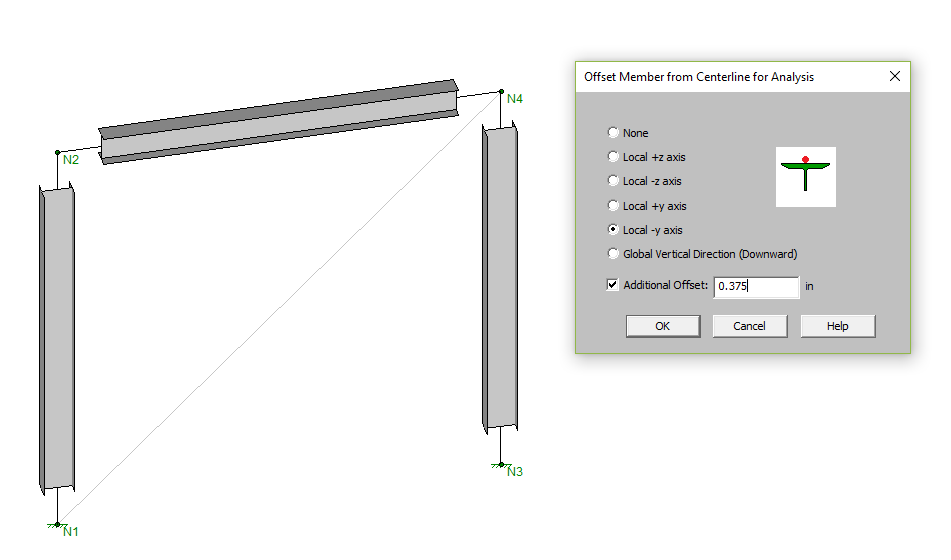
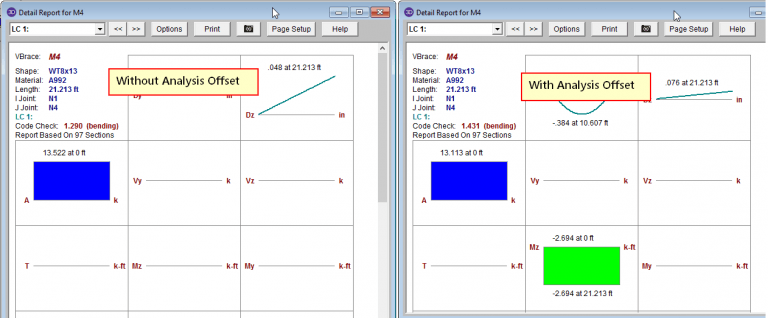
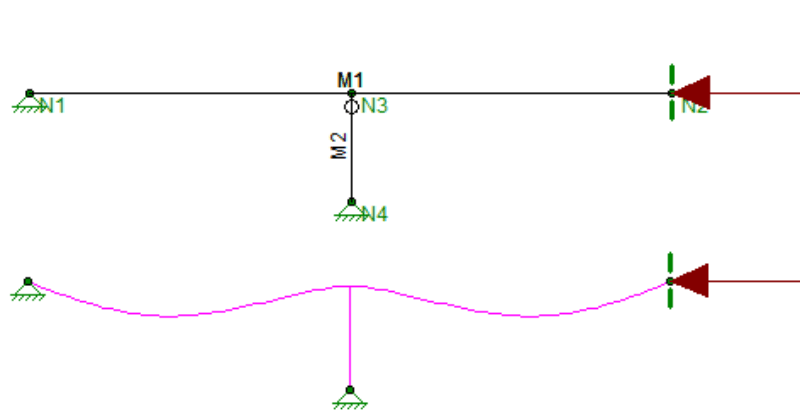
With this offset applied, when the model is solved you’ll note that the brace bows out of plane, indicating that it does have bending.
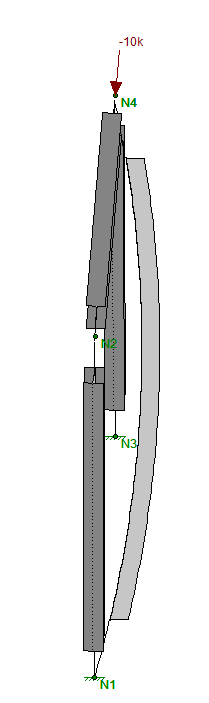
The detail report confirms this. Note how much the Code Check value increases when the real-life bending due to eccentricity is considered in the RISA model.
The axial compression and flexure strength of beams and columns is...
In RISA-3D, the current method of design for masonry lintels is Simply...
Have you ever wondered what the Analysis Offset feature does? Let’s...