
Tips & Tricks

December 29, 2025

What’s New for IBC 2024 in RISA: A Closer Look

With RISA’s latest release of RISA-3D v23.0.1, we’re continuing to expand support for IBC 2024, helping engineers stay aligned with the latest building code requirements as adoption accelerates across the U.S.—including federally funded projects. This release builds on v23.0.0 ASCE 7-22 enhancements and adds key material design updates that move RISA further into full IBC 2024 compliance. New Material Design Updates Supporting IBC 2024 The upcoming release introduces several important design code updates referenced by IBC 2024, including: Steel Seismic design per AISC 341-22 Prequalified connections per AISC 358-22 Continued support for AISC 360-22 (16th Edition) steel design Ongoing updates to the hot-rolled shape database, including compatibility with both 15th and 16th Edition steel manuals These updates support modern seismic detailing requirements and ensure consistency with current steel industry standards. Masonry Masonry design per TMS 402-22, aligning with the latest strength and serviceability provisions adopted by IBC 2024. Key updates include: Revisions to shear design equations, including clarified definitions of shear area as outlined in Table 4.4.5, improving consistency and transparency in shear capacity calculations. Updated strength reduction factors for flexure and combined flexure + axial. Unlike previous editions that used a fixed ϕ-factor of 0.9, TMS 402-22 introduces tension-controlled,…

Read More

Video: Understanding Deck Types and Area Loads in RISAFloor
March 17, 2021

Video: Understanding Deck Types and Area Loads in RISAFloor

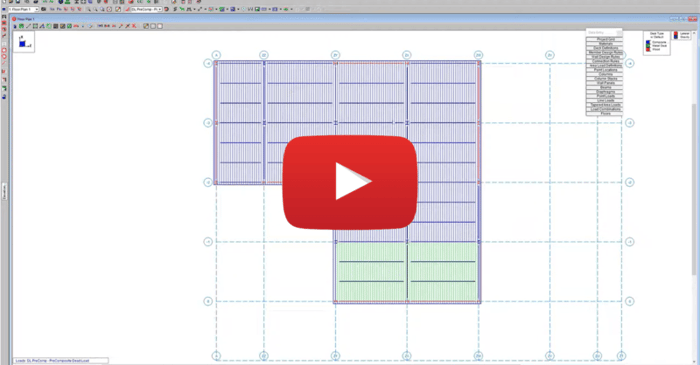
Occasionally buildings will have different types of decks as well as varying area loads within the same floor plan. One example of this is a floor plan with a partial roof. In this video, we will demonstrate how to consider this scenario in RISAFloor.
Read More
Viewing Applied Decks in RISAFloor
June 14, 2018

Viewing Applied Decks in RISAFloor

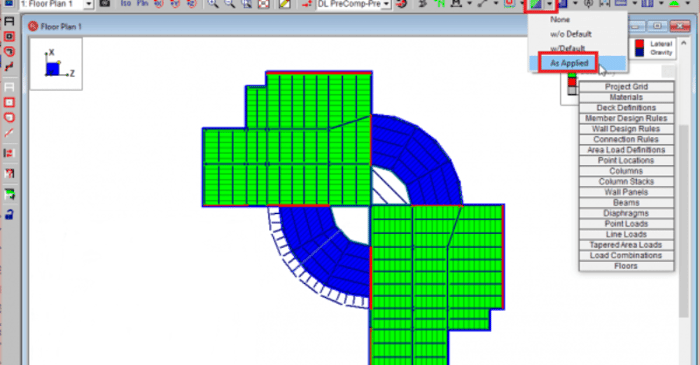
RISAFloor does not record the applied deck in a spreadsheet. To simplify modeling, it instead assumes a default deck is drawn within the entire diaphragm edge. If you have an area that will be a different deck or a different span direction, then you are free to draw in over the default. Whatever is...

Read More