


August 17, 2022
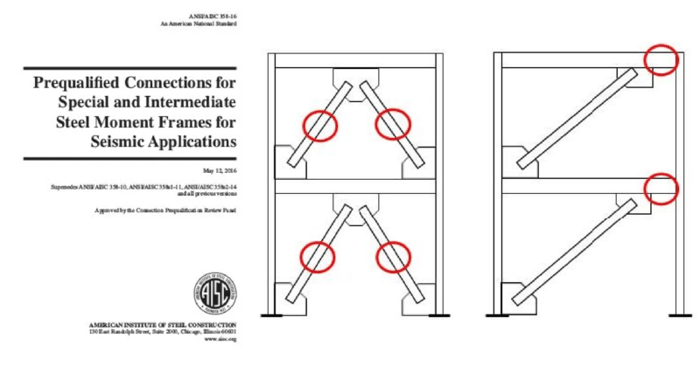
AISC 341-16 & AISC 358-16 now included in RISAConnection
The AISC 341-16 and AISC 358-16 Edition changes have been implemented into RISAConnection v13.
The AISC 341-16 and AISC 358-16 Edition changes have been implemented into RISAConnection v13.
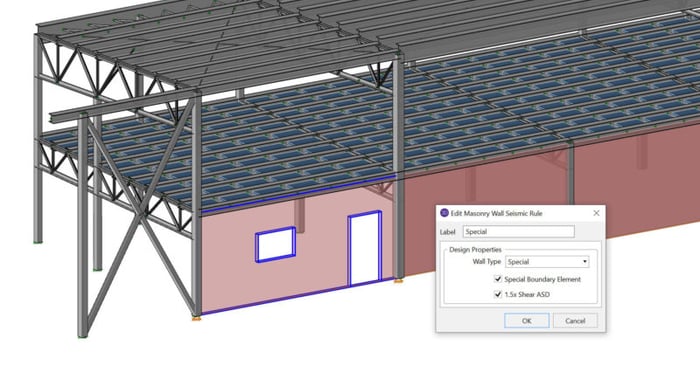
RISA-3D is expanding its industry leading support for the analysis and design of various materials with the implementation of Seismic Design of Masonry Wall Panels according to the provisions of TMS 402-16 (as well as ACI 530-13). When creating a model in RISA-3D, users now have the ability to...
The ability to design buckling restrained braced frames has been added to RISA-3D when you integrate your model from RISAFloor. In collaboration with CoreBrace, this new feature came as part of the release of RISA-3D v19.0.0 and RISAFloor v15.0.0.
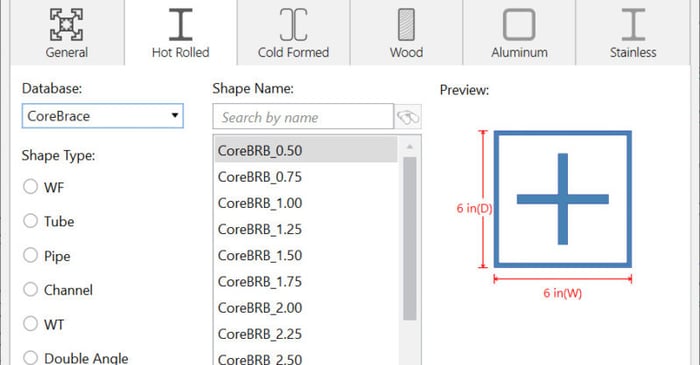
The ability to design buckling restrained braced frames has been added to RISA-3D when you integrate your model from RISAFloor. In collaboration with CoreBrace, this new feature came as part of the release of RISA-3D v19.0.0 and RISAFloor v15.0.0.
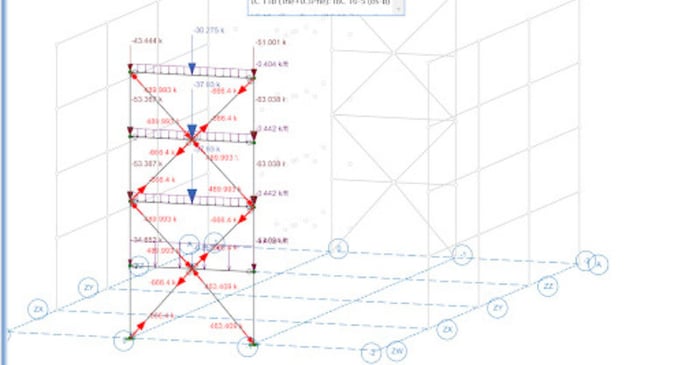
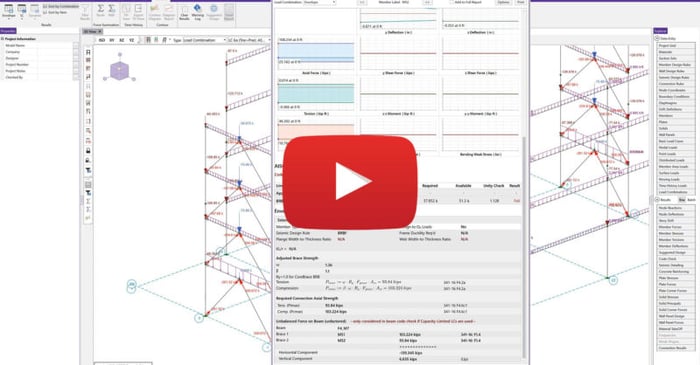
With the release of RISA-3D v19.0.2, you can now design special concentrically braced frames (SCBF) as well as buckling restrained braced frames (BRBF) according to the capacity-limited design. The objective of capacity-limited design is to ensure columns and beams in braced frames are designed to...
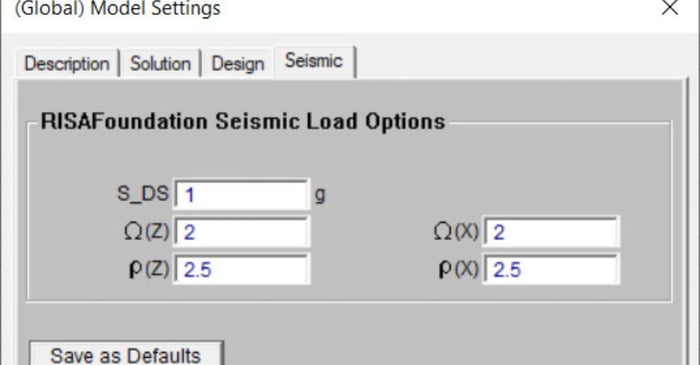
Seismic factors, including Omega, Rho and Ev, can now be included in automatically generated Load Combinations. Values for Omega and Rho shall be entered into the Seismic tab of the Model Settings to be considered in the analysis.
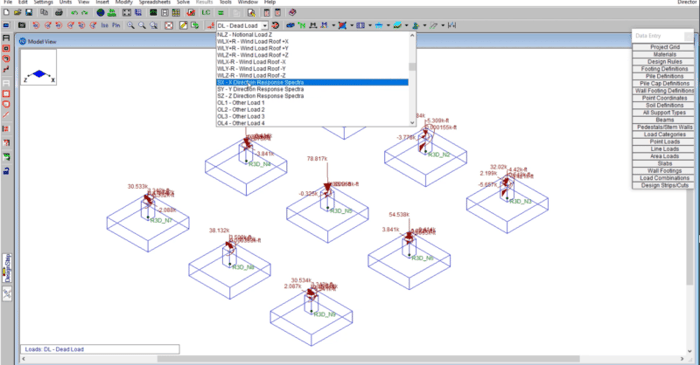
With the release of RISAFoundation v13, you now have the ability to transfer Response Spectra Analysis reactions from RISA-3D v19. RISAFoundation now also includes additional seismic options that can be considered in the generation of Load Combinations.
The AISC 341-16 and AISC 358-16 Edition changes have been implemented into RISA-3D v19.

In structural engineering, a modal analysis uses the overall mass and stiffness of a structure to find the various periods at which the structure will naturally resonate, along with the frequencies of vibration of the structure. In RISA-3D, the modal analysis is a prerequisite to the response...