Tips & Tricks

December 29, 2025

What’s New for IBC 2024 in RISA: A Closer Look

With RISA’s latest release of RISA-3D v23.0.1, we’re continuing to expand support for IBC 2024, helping engineers stay aligned with the latest building code requirements as adoption accelerates across the U.S.—including federally funded projects. This release builds on v23.0.0 ASCE 7-22 enhancements and adds key material design updates that move RISA further into full IBC 2024 compliance. New Material Design Updates Supporting IBC 2024 The upcoming release introduces several important design code updates referenced by IBC 2024, including: Steel Seismic design per AISC 341-22 Prequalified connections per AISC 358-22 Continued support for AISC 360-22 (16th Edition) steel design Ongoing updates to the hot-rolled shape database, including compatibility with both 15th and 16th Edition steel manuals These updates support modern seismic detailing requirements and ensure consistency with current steel industry standards. Masonry Masonry design per TMS 402-22, aligning with the latest strength and serviceability provisions adopted by IBC 2024. Key updates include: Revisions to shear design equations, including clarified definitions of shear area as outlined in Table 4.4.5, improving consistency and transparency in shear capacity calculations. Updated strength reduction factors for flexure and combined flexure + axial. Unlike previous editions that used a fixed ϕ-factor of 0.9, TMS 402-22 introduces tension-controlled,…

Read More

Pile Supported Slabs in RISAFoundation
March 6, 2025

Pile Supported Slabs in RISAFoundation

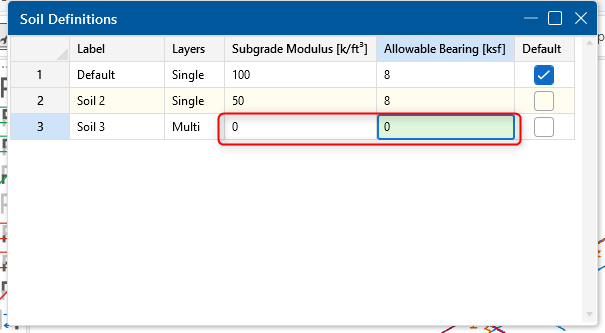
Ensuring Your Slab is Fully Supported by Piles in RISAFoundation A common mistake when modeling pile-supported slabs in RISAFoundation is forgetting to zero out the soil properties. By default, RISAFoundation assigns a soil definition to all slabs, which introduces soil springs into the model. If...
Read More
Gross and Net Soil Pressures
February 20, 2024

Gross and Net Soil Pressures

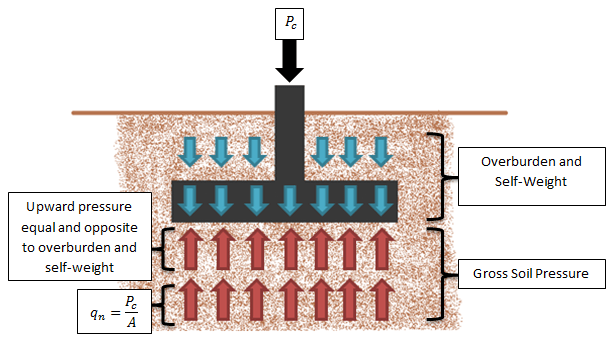
In RISAFoundation, the Allowable Soil Bearing value is controlled by the Soil Region. This value is always taken as a Gross allowable soil pressure by default.

Read More
Display Enveloped Contour Diagrams for Soil Pressure
March 5, 2021

Display Enveloped Contour Diagrams for Soil Pressure

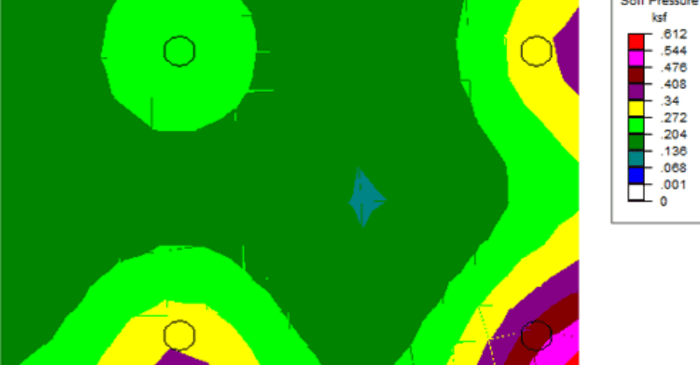
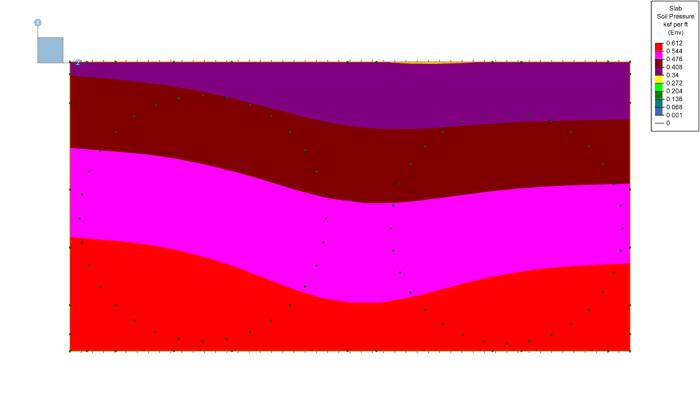
RISAFoundation has the ability to display the enveloped contour diagram results for soil pressure. The graphical display of enveloped soil pressures is advantageous because it allows users to quickly identify the degree of influence the loads and slab geometry have on the soil.

Read More
Soil Overburden on Mat Slab
November 1, 2018

Soil Overburden on Mat Slab

RISAFoundation can apply soil overburden to a mat slab to account for the weight of the soil above the foundation. Simply enter a Soil Overburden pressure value for your foundation design in the Slabs spreadsheet. The soil overburden load is utilized to help the mat slab resist overturning during...

Read More
Passive Resistance for Mat Slabs
September 20, 2018

Passive Resistance for Mat Slabs

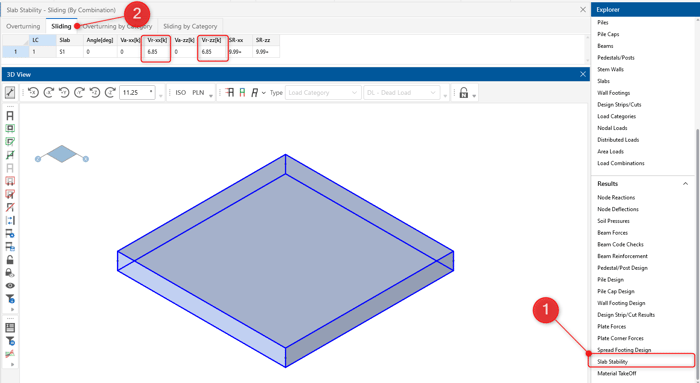
RISAFoundation includes the added ability to enter a passive pressure for slabs. The passive pressure represents soil pressure along the perimeter of the slab and will contribute to the sliding resistance of the slab.

Read More
Soil Properties in RISAFoundation
December 8, 2017

Soil Properties in RISAFoundation

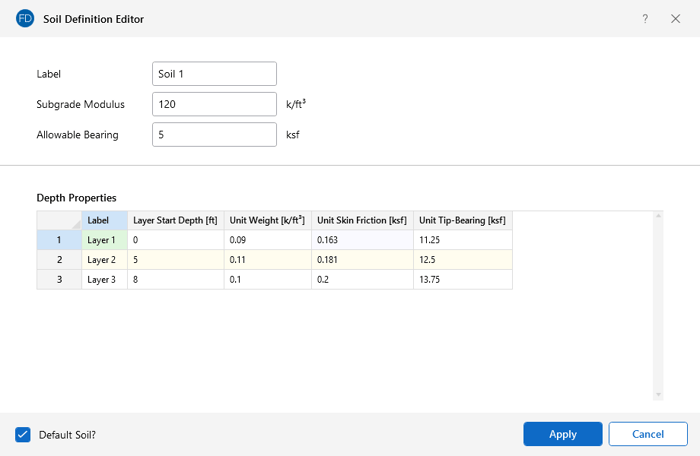
With Pile Design in RISAFoundation, you have the ability to define the default soil properties for the entire model. But also the Soil Definitions spreadsheet gives you control over all the soil property layers in one location.

Read More
Varying Soil Properties in RISAFoundation
July 14, 2011

Varying Soil Properties in RISAFoundation

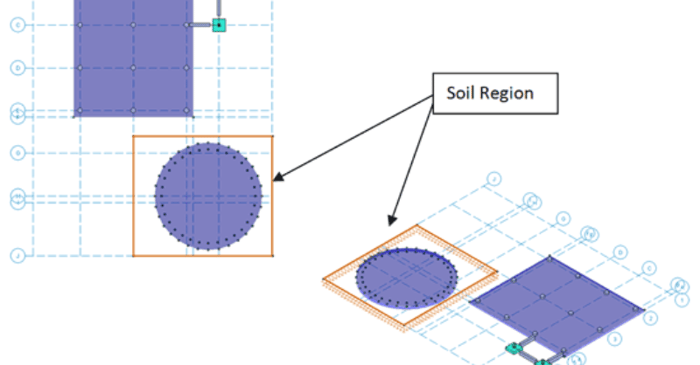
While RISAFoundation has a Default soil properties (Subgrade Modulus and Allowable Bearing), it is possible to create regions of varying soil properties.

Read More