


November 11, 2016
Adding Roof Parapets in RISAFloor
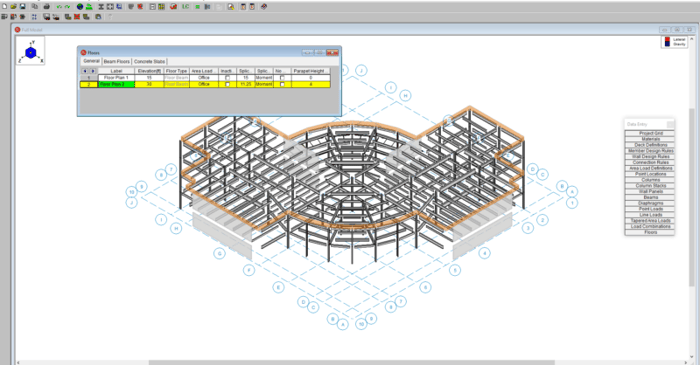
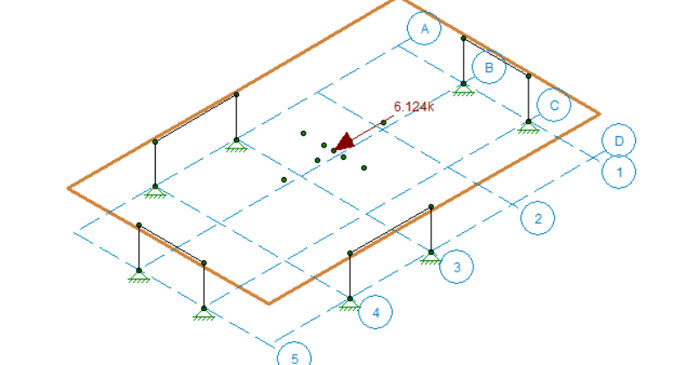
RISAFloor v11 now includes the option to add parapets and parapet loading to a building.
RISAFloor v11 now includes the option to add parapets and parapet loading to a building.
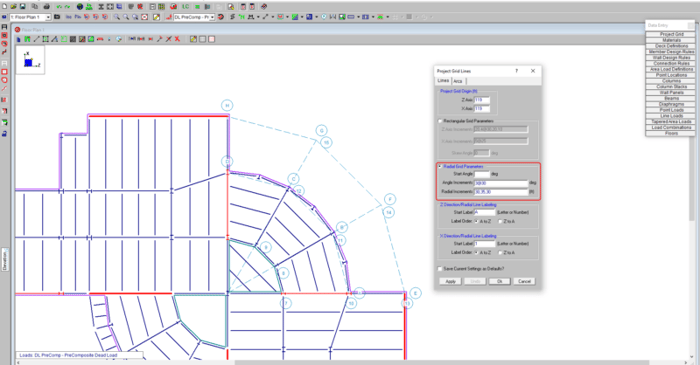
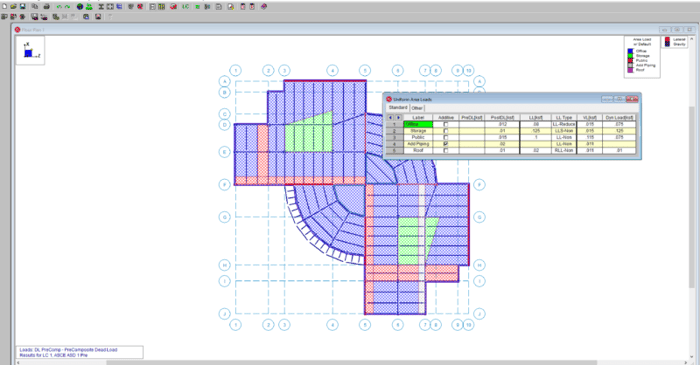
RISAFloor does not record the applied area loads in a spreadsheet. To simplify modeling, it instead assumes a default area load over the entire diaphragm area. Additionally, you are free to apply area loads beyond the default loads. Whatever is drawn last will be considered the applied loading...

Seismic Forces are generated automatically using seismic parameters R, SD1, and SDS in the Seismic Load Generator when using the Director to go from RISAFloor to RISA-3D or when inserting Seismic Loads on a rigid diaphragm in RISA-3D. Additionally, Seismic Load Combinations can be generated using...
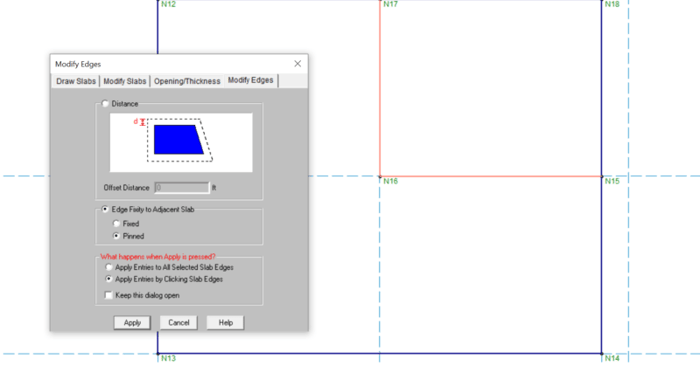
In RISAFoundation v8, you can add a shear splice between slabs so that it acts like a hinge. This is useful for modeling the effects of shear keys or dowel joints between slabs.
In a model that contains both RISAFloor and RISA-3D data it is possible to define your diaphragms as either flexible or rigid for lateral design. You can do this from the Diaphragms spreadsheet in either program:
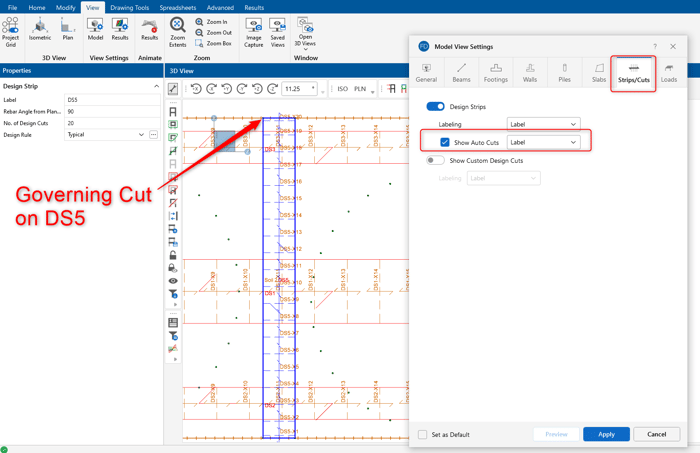
In RISAFoundation, the user has the ability to manually draw a single Design Cut anywhere on a slab. The Design Strips also automatically include Design Cuts which are used to determine the governing design forces in the Design Strip. For more detailed information on the specifics of Design Strip...
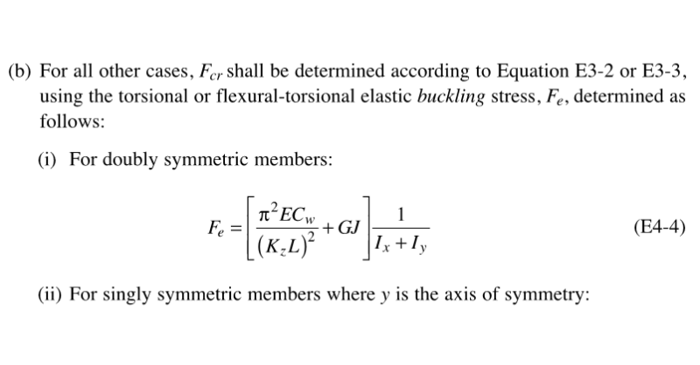
In RISA-3D’s addition of the AISC 14th Edition code we added Section E4 checks to wide flange members. Section E4 is Torsional and Flexural-Torsional Buckling of Members Without Slender Elements and is for compression capacity.
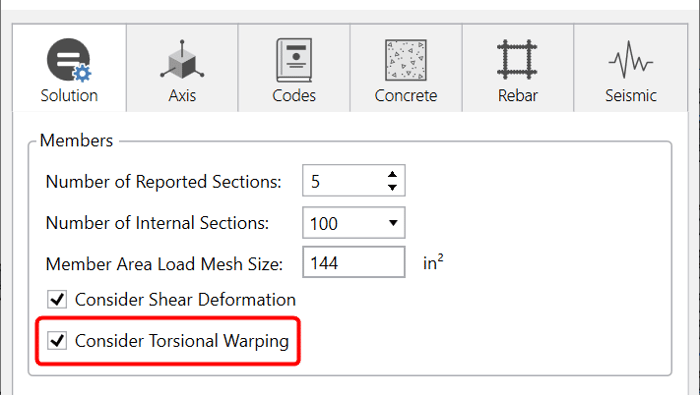
Twisting of a member or frame induces torsional forces and stresses. This is included in the RISA-3D analysis as long as you have the Torsional Warping checkbox selected on the Solution tab of (Global) Model Settings.