Tips & Tricks

December 29, 2025

What’s New for IBC 2024 in RISA: A Closer Look

With RISA’s latest release of RISA-3D v23.0.1, we’re continuing to expand support for IBC 2024, helping engineers stay aligned with the latest building code requirements as adoption accelerates across the U.S.—including federally funded projects. This release builds on v23.0.0 ASCE 7-22 enhancements and adds key material design updates that move RISA further into full IBC 2024 compliance. New Material Design Updates Supporting IBC 2024 The upcoming release introduces several important design code updates referenced by IBC 2024, including: Steel Seismic design per AISC 341-22 Prequalified connections per AISC 358-22 Continued support for AISC 360-22 (16th Edition) steel design Ongoing updates to the hot-rolled shape database, including compatibility with both 15th and 16th Edition steel manuals These updates support modern seismic detailing requirements and ensure consistency with current steel industry standards. Masonry Masonry design per TMS 402-22, aligning with the latest strength and serviceability provisions adopted by IBC 2024. Key updates include: Revisions to shear design equations, including clarified definitions of shear area as outlined in Table 4.4.5, improving consistency and transparency in shear capacity calculations. Updated strength reduction factors for flexure and combined flexure + axial. Unlike previous editions that used a fixed ϕ-factor of 0.9, TMS 402-22 introduces tension-controlled,…

Read More

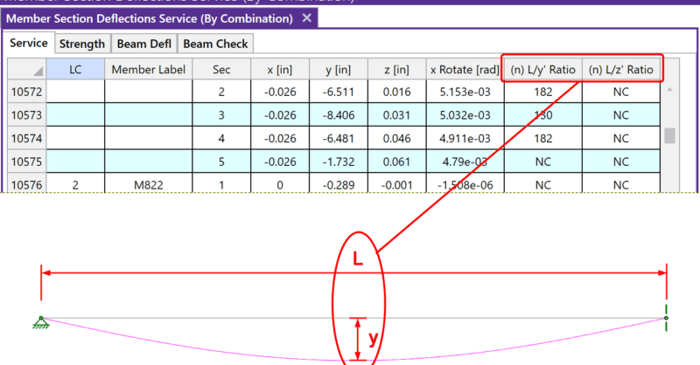
How Do I Define Specific Member Sizes in RISAFloor?
November 10, 2015

How Do I Define Specific Member Sizes in RISAFloor?

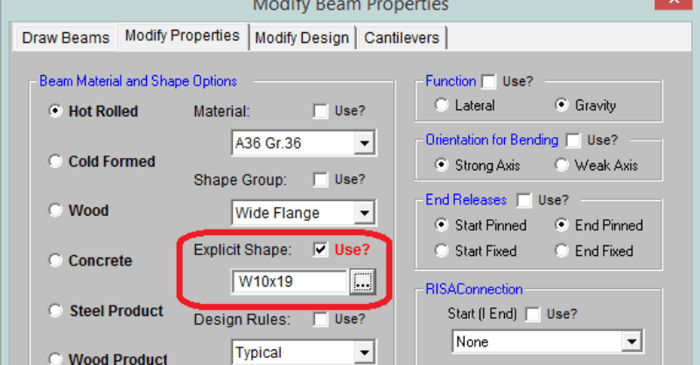
RISAFloor is a design program in which it takes basic shape criteria about your beam or column members and then selects an optimal size to meet strength and serviceability criteria. However, the program can just as easily perform a design check for an as-built condition by defining specific member...

Read More
Tolerance Between SP Joists vs. Normal Joists
October 28, 2015

Tolerance Between SP Joists vs. Normal Joists

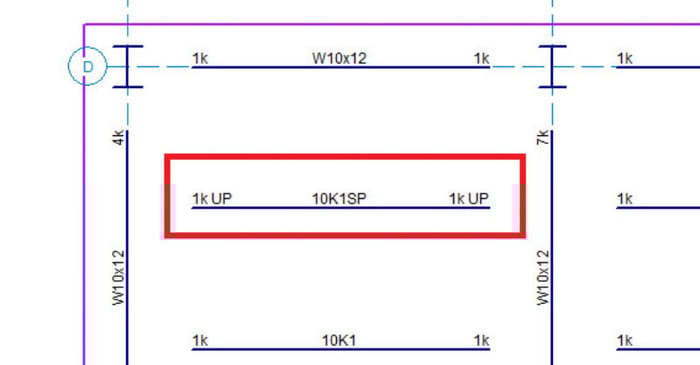
Have you been in RISAFloor performing a steel product design and noticed an (SP) extension to a joist designation? The following will discuss when the program designs for these special loading conditions.

Read More
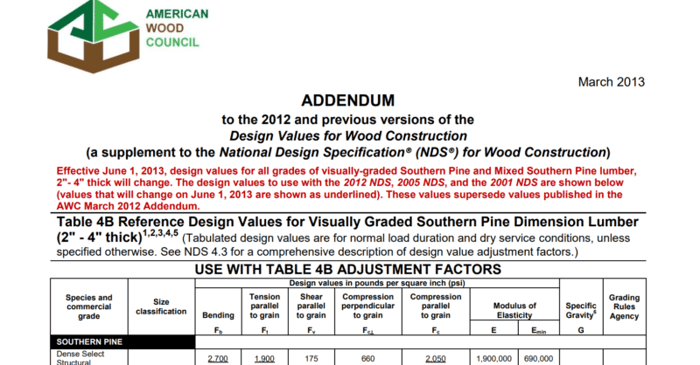
Why Did the Wood Design Values Drop?
September 22, 2015

Why Did the Wood Design Values Drop?

You may notice discrepancies in the wood design values when comparing RISA with the NDS 2012 and older versions of the code. The American Wood Council updated the wood design values in the Addendum, which supersede the values used in the NDS 2012 and previous versions of the Design Values for Wood...

Read More
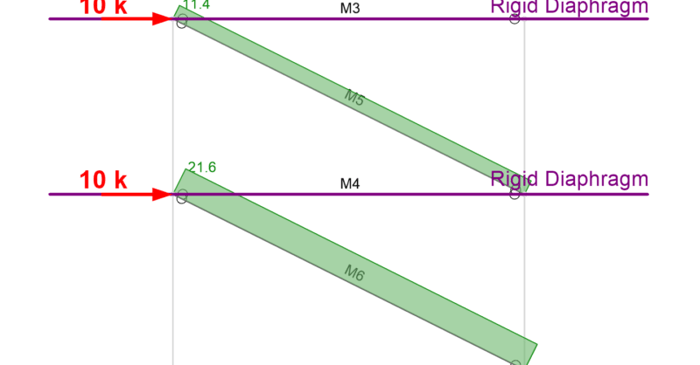
Why don’t the Beams in my Frame have axial force?
September 9, 2015

Why don’t the Beams in my Frame have axial force?

The beams in a lateral force resisting system, such as a braced frame or moment frame, typically carry a significant axial force. In the example below (with no diaphragms) the beam (M4) carries a significant axial tension.

Read More
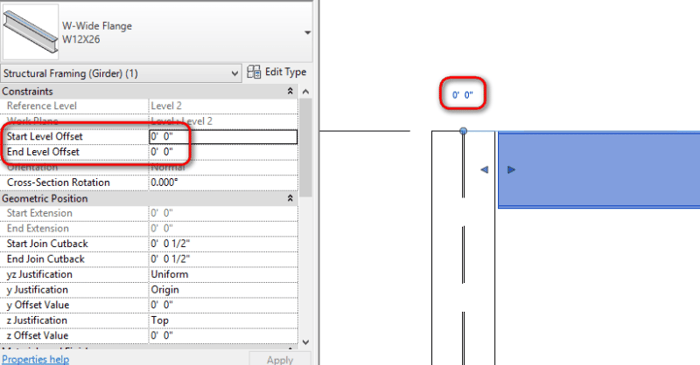
How should I model beams in Revit to make them import into RISAFloor…
September 2, 2015

How should I model beams in Revit to make them import into RISAFloor…

Revit offers two options for setting the elevation of beams. The way these are used has a significant impact on how those members are round tripped to RISAFloor, so it is important for you to use them correctly. The Level Offsets are available at each end of the beam. They can be modified through...

Read More
Residual Rigid Response (Dynamics)
August 20, 2015

Residual Rigid Response (Dynamics)

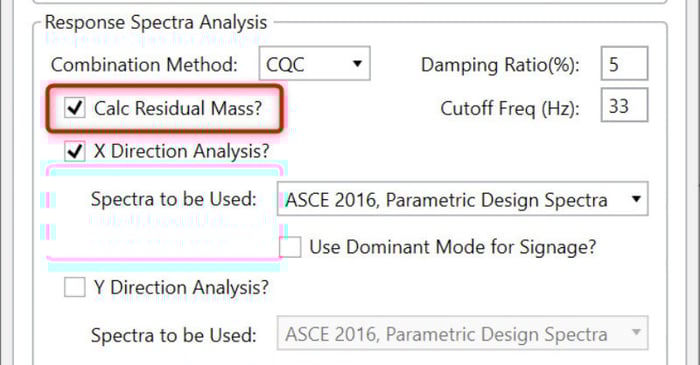
When running a Response Spectrum analysis for seismic design, the response for high frequency modes can be included without solving for their individual mode shapes. This is often done to save analysis time and memory. This topic discusses some of the technical background and gives references for...

Read More