


June 3, 2022
Integration between RISA-3D and SDS2
Version 20.0.2 allows users to integrate models between RISA-3D and SDS2, including model geometry, members sizes and end reactions.
Version 20.0.2 allows users to integrate models between RISA-3D and SDS2, including model geometry, members sizes and end reactions.
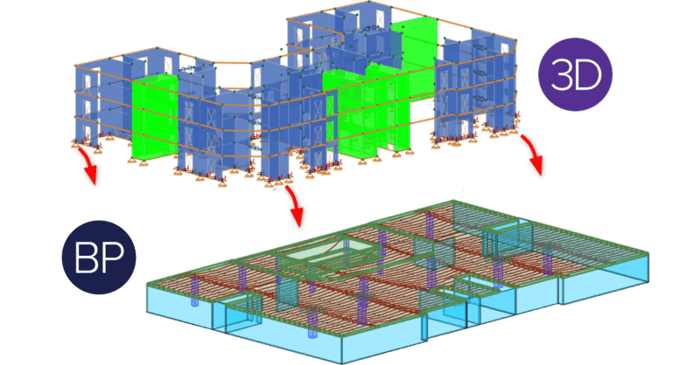
ADAPT-Builder v21.0.1 includes the option to import reactions from a RISA-3D model. The program will import the superstructure reactions and loading as point and line loads. The B3D Import Wizard allows you to choose which load cases to import and gives you the ability to map the loads to existing...
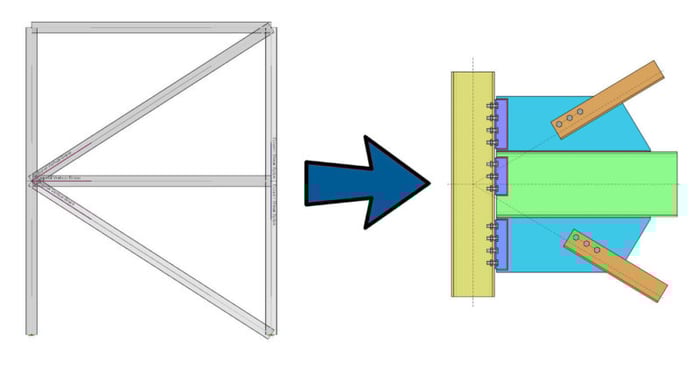
One of the advantages of the RISA Building System is the ability to utilize and share model information (geometry, loading, etc.) between software packages. One such way, is the ability to define hot-rolled steel connections in RISAFloor and/or RISA-3D and then transfer them to RISAConnection for...
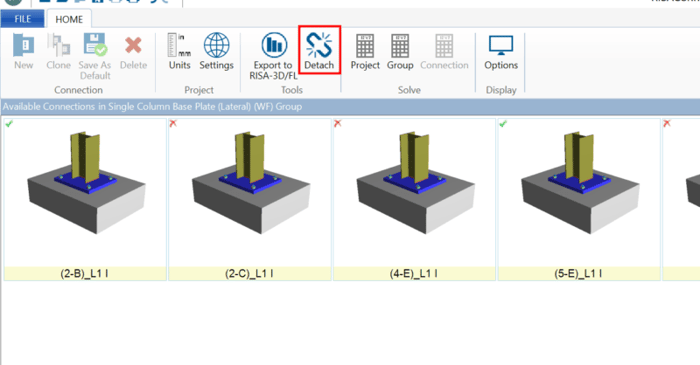
RISAFloor, RISA-3D, and Revit can export connection rule and loading information to streamline the design process for a project with numerous connections. This process helps to quickly create connections with the member shape, geometry, and loading information from the original program.
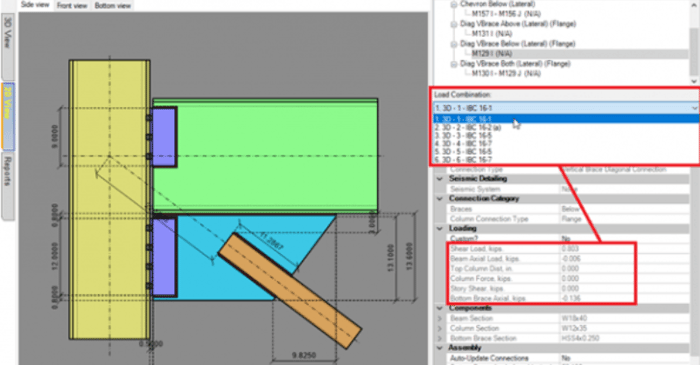
RISAConnection v7.0.1 includes the option for customized loading in an integrated RISAConnection model. If you have used RISA-3D or RISAFloor to export connection rules for design in RISAConnection, they also exported over the forces per the solved load combinations.
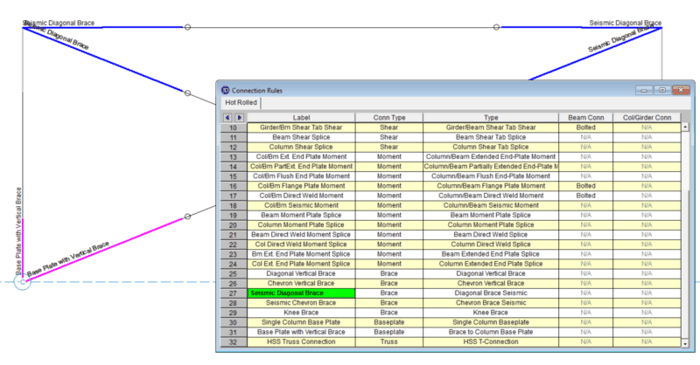
RISAConnection version 6.0 has introduced the ability to design vertical brace connections per the seismic design provisions of the AISC 341-10 Seismic Design Manual.