Tips & Tricks

December 29, 2025

What’s New for IBC 2024 in RISA: A Closer Look

With RISA’s latest release of RISA-3D v23.0.1, we’re continuing to expand support for IBC 2024, helping engineers stay aligned with the latest building code requirements as adoption accelerates across the U.S.—including federally funded projects. This release builds on v23.0.0 ASCE 7-22 enhancements and adds key material design updates that move RISA further into full IBC 2024 compliance. New Material Design Updates Supporting IBC 2024 The upcoming release introduces several important design code updates referenced by IBC 2024, including: Steel Seismic design per AISC 341-22 Prequalified connections per AISC 358-22 Continued support for AISC 360-22 (16th Edition) steel design Ongoing updates to the hot-rolled shape database, including compatibility with both 15th and 16th Edition steel manuals These updates support modern seismic detailing requirements and ensure consistency with current steel industry standards. Masonry Masonry design per TMS 402-22, aligning with the latest strength and serviceability provisions adopted by IBC 2024. Key updates include: Revisions to shear design equations, including clarified definitions of shear area as outlined in Table 4.4.5, improving consistency and transparency in shear capacity calculations. Updated strength reduction factors for flexure and combined flexure + axial. Unlike previous editions that used a fixed ϕ-factor of 0.9, TMS 402-22 introduces tension-controlled,…

Read More

Load Combination Generator in ADAPT-Builder
December 17, 2021

Load Combination Generator in ADAPT-Builder

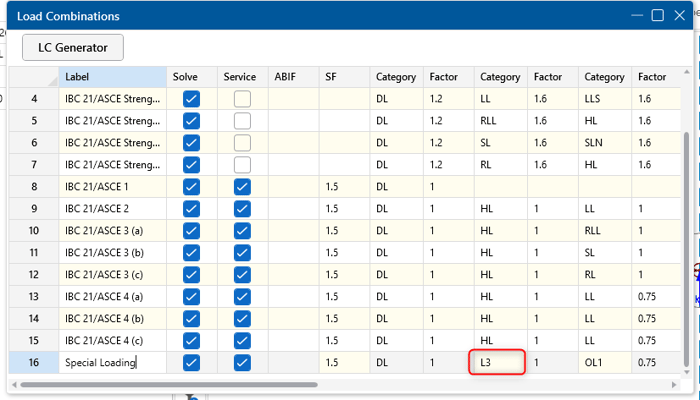
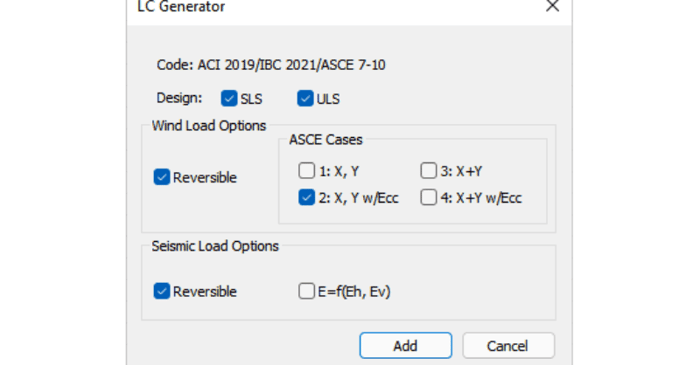
With the release of ADAPT-Builder v21, a new load combination generator (LC Generator) provides users the option to automatically generate code compliant load combinations for use in the analysis and design of an ADAPT-Builder model. Included in this feature, is the ability to include automatic...
Read More
Creating Custom Load Combinations (VIDEO)
September 29, 2021

Creating Custom Load Combinations (VIDEO)

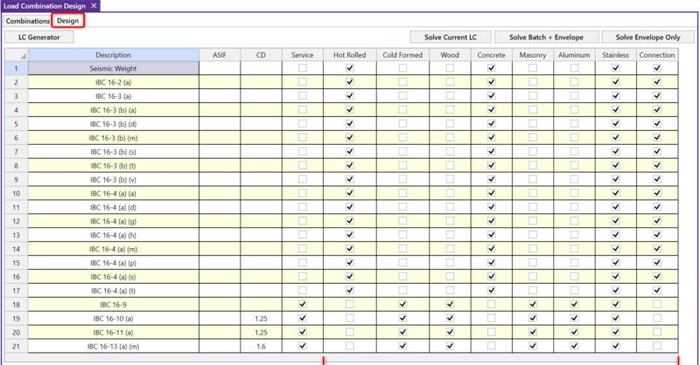
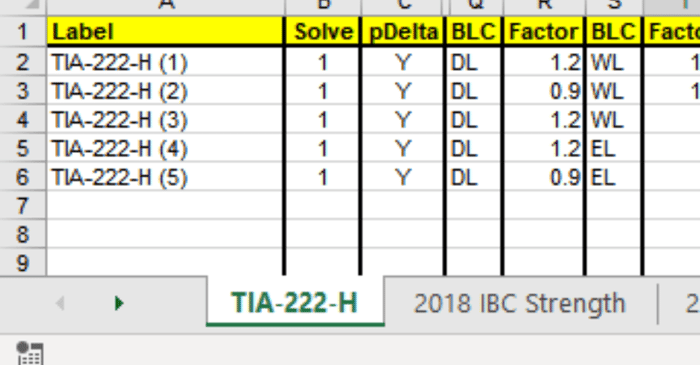
RISA-3D, RISAFloor and RISAFoundation allow users to create custom load combination sets by modifying and expanding the underlying XML file used by the Load Combination Generator. To learn more, review the video and article below:

Read More
Understanding differences between Basic Load Cases, Load Categories…
June 16, 2020

Understanding differences between Basic Load Cases, Load Categories…

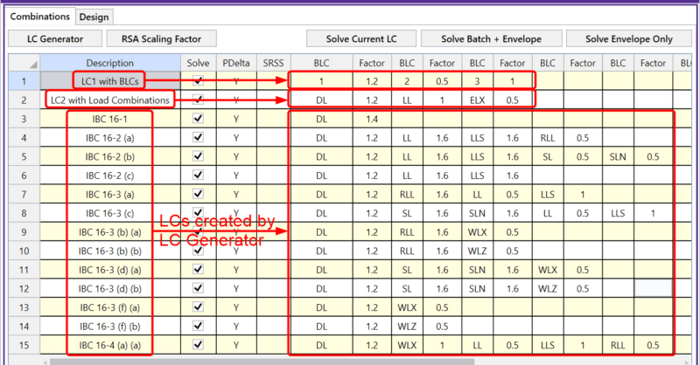
One of the questions our support team receives often is the difference between Basic Load Cases (BLC), Load Categories and Load Combinations (LC). Understanding how these containers are used and how they work together when loading a structure is an essential part of creating an accurate model in...

Read More
Nested Load Combinations in RISAFoundation
August 30, 2019

Nested Load Combinations in RISAFoundation

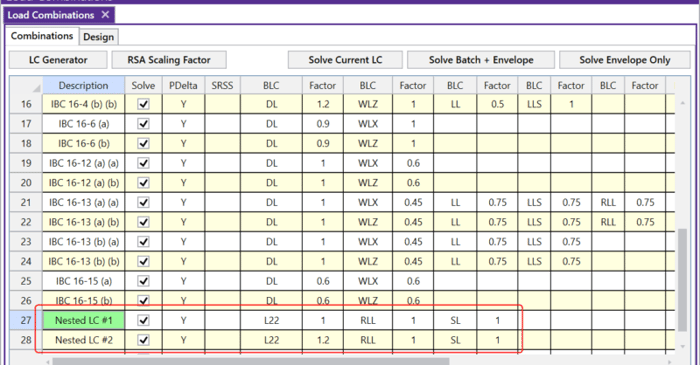
RISAFoundation includes the ability to utilize “nested” load combinations. Currently, the Load Combinations spreadsheet in RISAFoundation is limited to ten columns of Basic Load Cases (BLCs) and Factor combinations. However, there are times where you may need to include additional entries to your...

Read More
Governing Load Combinations for Shear in Concrete Columns
August 2, 2018

Governing Load Combinations for Shear in Concrete Columns

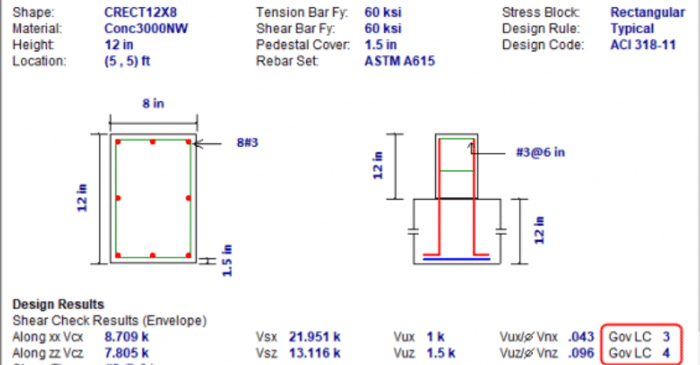
For concrete column members, the load combination producing the maximum shear code check is reported in the Detail Report and corresponding Results spreadsheet. Since concrete is evaluated based on a batch solution, this can be useful when shear governs the design.

Read More
Nesting Load Combinations
March 27, 2013

Nesting Load Combinations

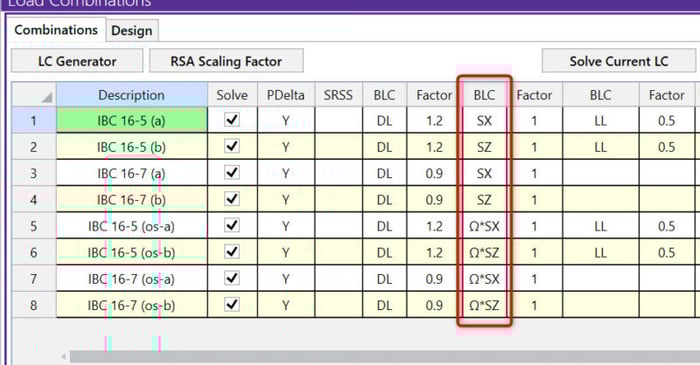
The Load Combinations spreadsheet in RISA-3D is limited to ten columns of BLC and Factor combinations. However, there are times where you may need to include additional entries to your Load Combination. To do this, you can simply “nest” your load combinations.

Read More