Tips & Tricks

December 29, 2025

What’s New for IBC 2024 in RISA: A Closer Look

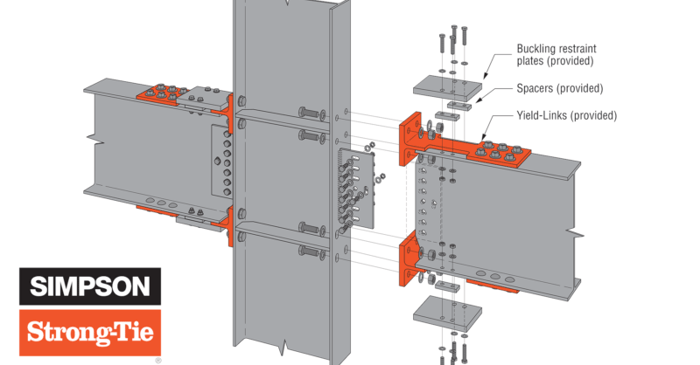
With RISA’s latest release of RISA-3D v23.0.1, we’re continuing to expand support for IBC 2024, helping engineers stay aligned with the latest building code requirements as adoption accelerates across the U.S.—including federally funded projects. This release builds on v23.0.0 ASCE 7-22 enhancements and adds key material design updates that move RISA further into full IBC 2024 compliance. New Material Design Updates Supporting IBC 2024 The upcoming release introduces several important design code updates referenced by IBC 2024, including: Steel Seismic design per AISC 341-22 Prequalified connections per AISC 358-22 Continued support for AISC 360-22 (16th Edition) steel design Ongoing updates to the hot-rolled shape database, including compatibility with both 15th and 16th Edition steel manuals These updates support modern seismic detailing requirements and ensure consistency with current steel industry standards. Masonry Masonry design per TMS 402-22, aligning with the latest strength and serviceability provisions adopted by IBC 2024. Key updates include: Revisions to shear design equations, including clarified definitions of shear area as outlined in Table 4.4.5, improving consistency and transparency in shear capacity calculations. Updated strength reduction factors for flexure and combined flexure + axial. Unlike previous editions that used a fixed ϕ-factor of 0.9, TMS 402-22 introduces tension-controlled,…

Read More

Increased Visibility through Colorization in ADAPT-Builder
January 1, 2021

Increased Visibility through Colorization in ADAPT-Builder

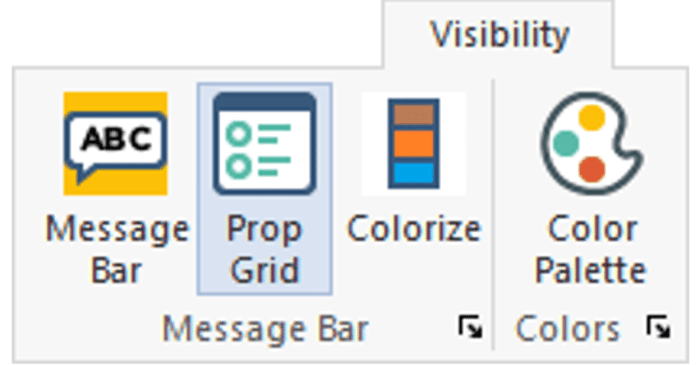
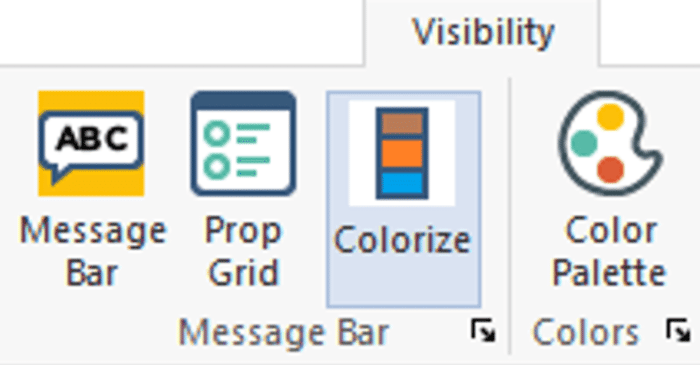
ADAPT-Builder 2020 now includes a new Colorization option that can be used to visually inspect the model components by property. The Colorize window is a docked window, that applies unique color shading to user-selected components based on user selected properties. In addition, the user can use the...
Read More
Quickly Evaluate Graphical One-Way Shear Results in ADAPT-Builder
January 1, 2021

Quickly Evaluate Graphical One-Way Shear Results in ADAPT-Builder

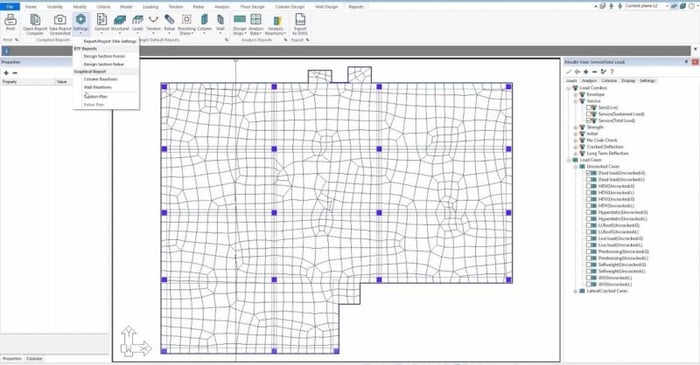
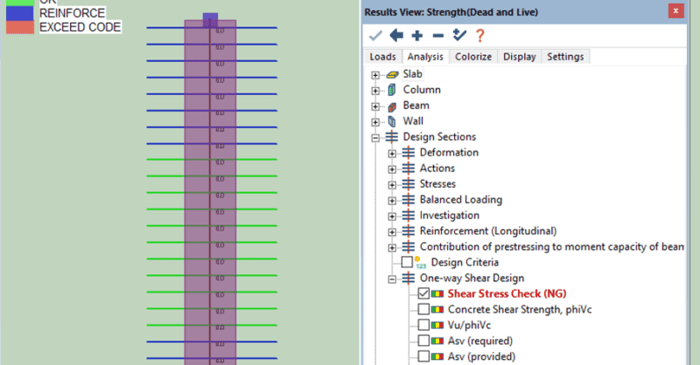
The ability to quickly evaluate results and make data-based design decisions is a key aspect of user-focused structural software. One-way shear is a critical in the design of RC and PT beams and in particular, sizing of beams and associated economy of a design. ADAPT-Builder 2020 delivers new and...

Read More
User Defined Modulus of Rupture in ADAPT-Builder
January 1, 2021

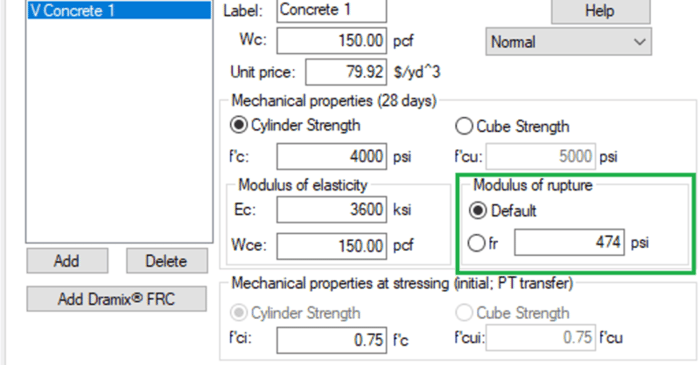
User Defined Modulus of Rupture in ADAPT-Builder

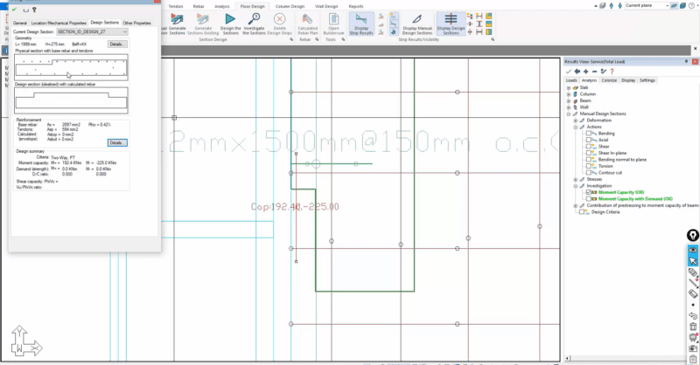
For reinforced concrete and post-tensioned concrete beams and slabs, deflection control at serviceability conditions is a critical check for code compliance and satisfactory design. The ability to check if a member is cracked and has exceeded the cracking moment or threshold modulus at short- and...

Read More
Increased Efficiency of Selection with Property Grid in ADAPT-Builder
January 1, 2021

Increased Efficiency of Selection with Property Grid in ADAPT-Builder

The Properties Grid is a new improvement to the user-interface for ADAPT-Builder v20. The Properties Grid is a docked window, that facilitates user efficiency when modifying a single component or a selection of components. In addition, the user can use the property grid to filter-select components....

Read More
Accidental Torsion for Semi-Rigid Diaphragms in RISAFloor
December 11, 2020

Accidental Torsion for Semi-Rigid Diaphragms in RISAFloor

The latest releases of RISAFloor (Version 15.0.1) and RISA-3D (Version 19.0.1) include consideration for accidental torsion and eccentric loading for semi-rigid diaphragms according to requirements outlined in ASCE 7, Section 12.8.4.2.

Read More
Seismic Factors in RISAFoundation Load Combination Generator
October 30, 2020

Seismic Factors in RISAFoundation Load Combination Generator

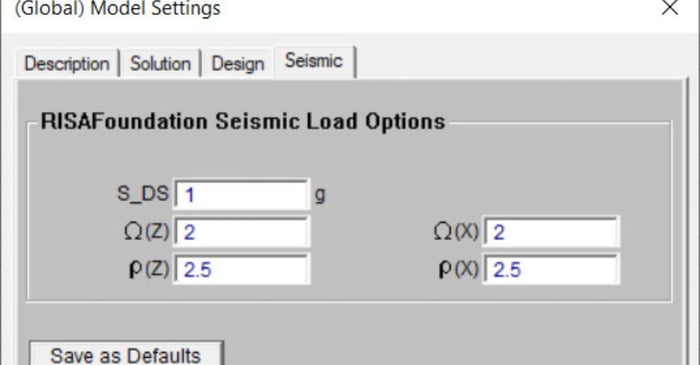
Seismic factors, including Omega, Rho and Ev, can now be included in automatically generated Load Combinations. Values for Omega and Rho shall be entered into the Seismic tab of the Model Settings to be considered in the analysis.

Read More