


September 15, 2020
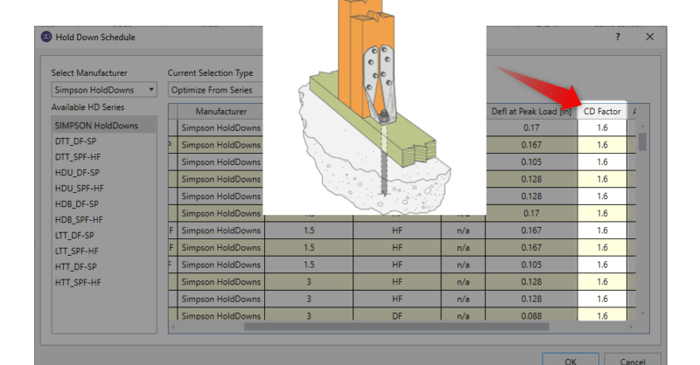
CD Factor for Wood Hold-Downs
If you have utilized Hold-Down's in RISA-3D, you have mostly likely noticed that a value of CD is reported for each selection in the database. However, it may not be clear how it is being used?
If you have utilized Hold-Down's in RISA-3D, you have mostly likely noticed that a value of CD is reported for each selection in the database. However, it may not be clear how it is being used?
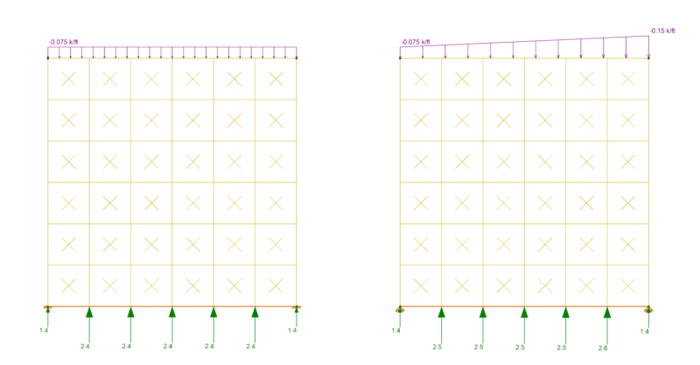
In the Node Reaction spreadsheet, all reactions from node-based boundary conditions are reported. If you look closely at some models, there may be wall panel labels in the Node Reactions spreadsheet as well. This may cause users to ask the question:”what are these reaction values for a...
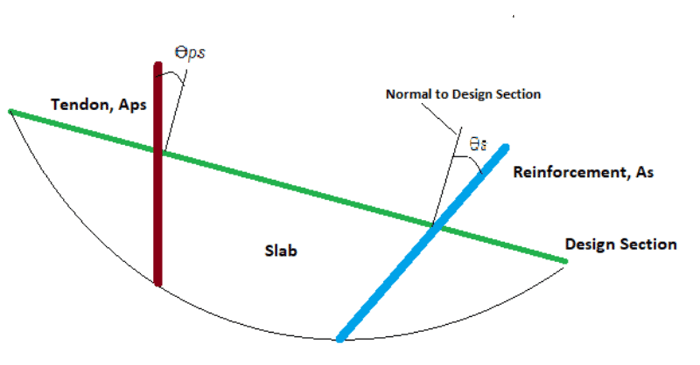
Introduction In the design of two-way post-tensioned slabs, whether it be by use of unbonded or bonded tendons, precompression or “average minimum precompression,” is a critical serviceability requirement in ACI318. It is used to serve as a means for selecting a prestressing force and/or quantity...
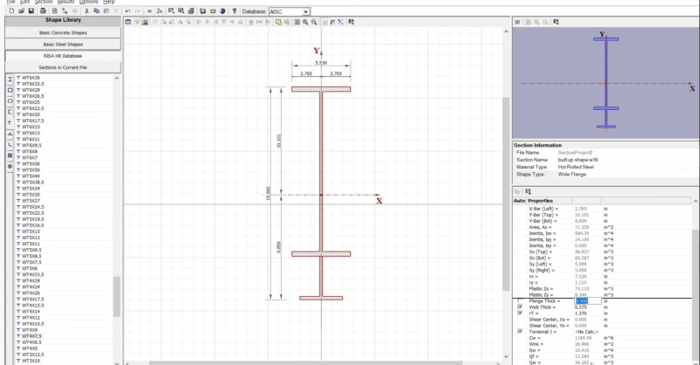
Learn how to build custom steel and concrete shapes using RISASection and then import them into RISA-3D to incorporate them in analysis and design.

Modeling complex structures in any structural analysis and design software can be cumbersome. ADAPT-Builder provides users with straightforward modeling operations and functionality within an easy to navigate user interface which allows for efficient model creation. The resources below outline the...
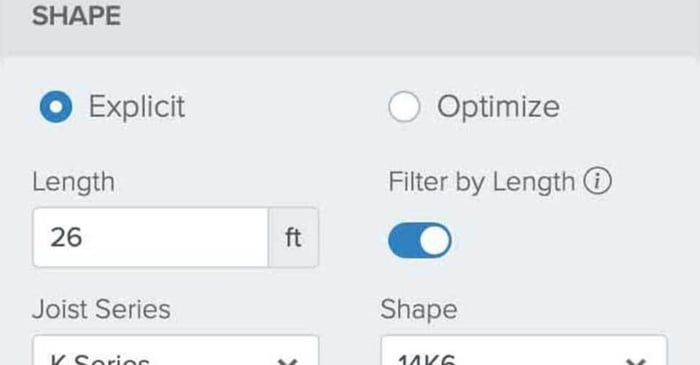
Open web steel joist design is now available in RISACalc per the SJI 43rd/44th and 42nd Editions! The available joist series include K-Series, LH-Series, DLH-Series, SLH-Series (42nd Edition only), and KCS joists.

When determining the Depth of Compression Block value of ‘a’ in a Masonry Wall design based on the equation a = (As * fy)/(0.8 * fm * b) in a RISA-3D model, it is possible to see a small variance in the program results versus a traditional hand calculation using this typical equation. The reason...
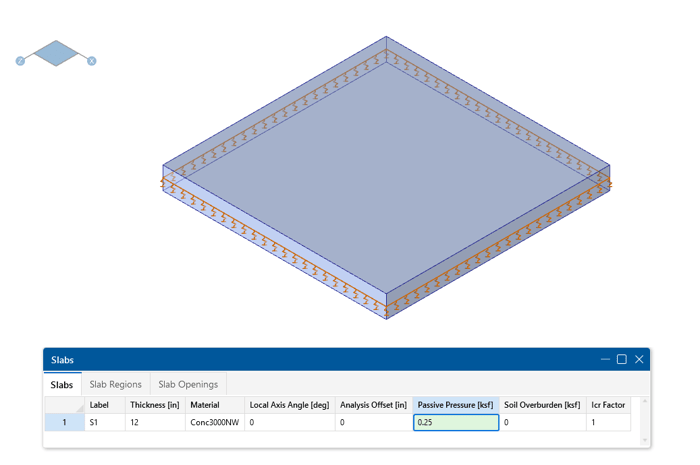
In this video, we’ll take a look at the modeling and analysis of a mat slab in RISAFoundation. We’ll specify design parameters and soil properties to be able to obtain reinforcement design and view soil pressure contour diagrams.
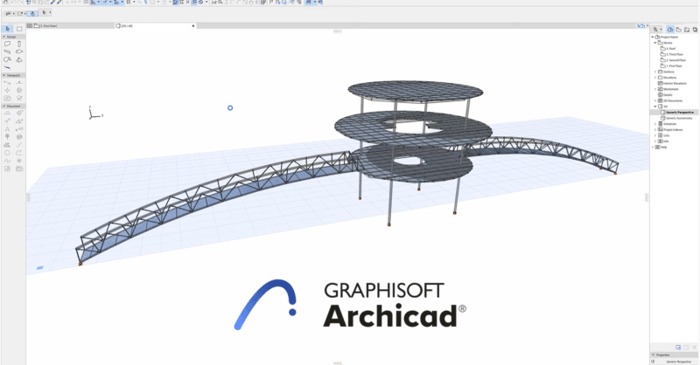
Learn how Graphisoft and RISA are working together to leverage model information created by the architect to create a more seamless workflow, while minimizing the duplication that is typical of today's design process: