January 11, 2017
What's New in IBC 2015?
These include:
With RISA’s latest release of RISA-3D v23.0.1, we’re continuing to expand support for IBC 2024, helping engineers stay aligned with the latest building code requirements as adoption accelerates across the U.S.—including federally funded projects. This release builds on v23.0.0 ASCE 7-22 enhancements and adds key material design updates that move RISA further into full IBC 2024 compliance. New Material Design Updates Supporting IBC 2024 The upcoming release introduces several important design code updates referenced by IBC 2024, including: Steel Seismic design per AISC 341-22 Prequalified connections per AISC 358-22 Continued support for AISC 360-22 (16th Edition) steel design Ongoing updates to the hot-rolled shape database, including compatibility with both 15th and 16th Edition steel manuals These updates support modern seismic detailing requirements and ensure consistency with current steel industry standards. Masonry Masonry design per TMS 402-22, aligning with the latest strength and serviceability provisions adopted by IBC 2024. Key updates include: Revisions to shear design equations, including clarified definitions of shear area as outlined in Table 4.4.5, improving consistency and transparency in shear capacity calculations. Updated strength reduction factors for flexure and combined flexure + axial. Unlike previous editions that used a fixed ϕ-factor of 0.9, TMS 402-22 introduces tension-controlled,…
Read More
These include:
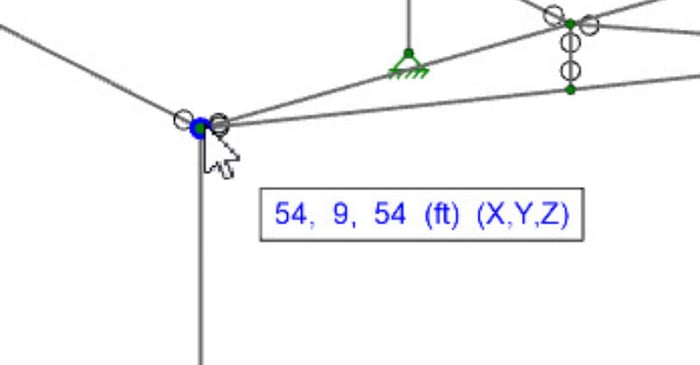
In RISA-3D, RISAFloor, and RISAFoundation the cursor now provides additional information regarding the cursor coordinates. As you move your cursor around on your screen, a box adjacent to your cursor will appear and populate with the coordinates of the cursor.
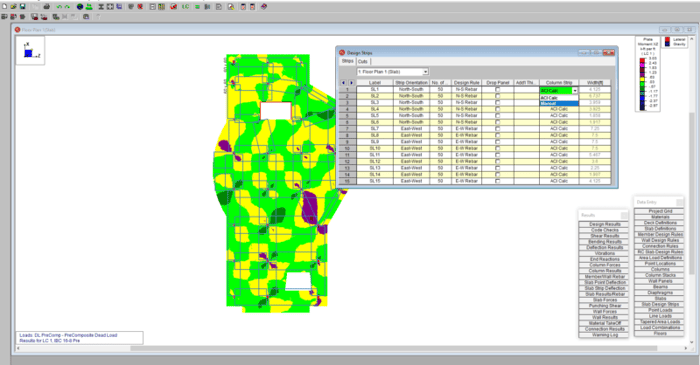
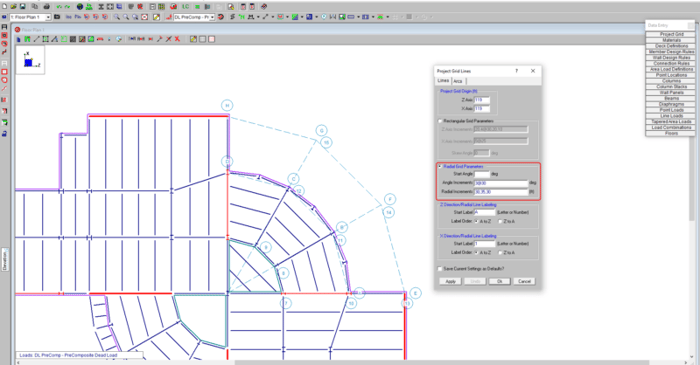
RISAFloor v11 now includes the ability to create custom column strip widths in order to optimize the design of slab reinforcement.
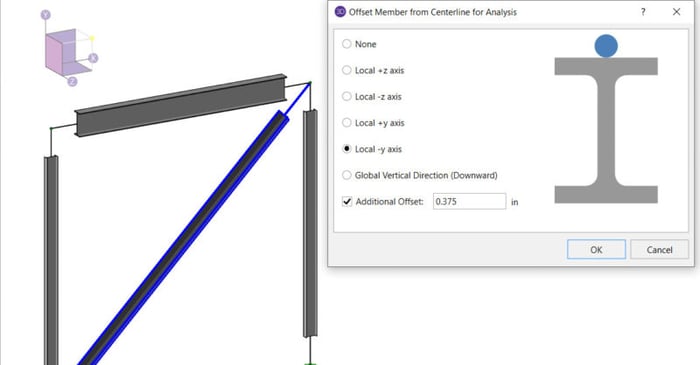
In the RISA-3D when you model a WT brace it exists at the member centroid, which means that no bending ends up in the brace due to the fact that the brace is actually eccentric to the braced frame.
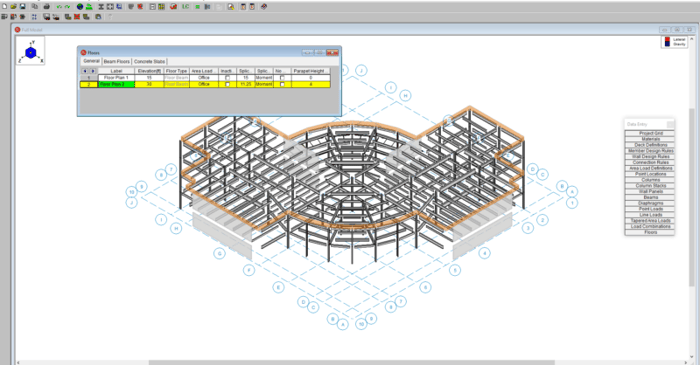
RISAFloor v11 now includes the option to add parapets and parapet loading to a building.
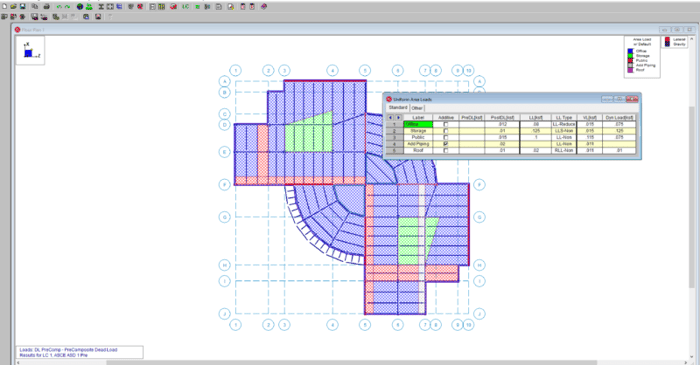
RISAFloor does not record the applied area loads in a spreadsheet. To simplify modeling, it instead assumes a default area load over the entire diaphragm area. Additionally, you are free to apply area loads beyond the default loads. Whatever is drawn last will be considered the applied loading...
Seismic Forces are generated automatically using seismic parameters R, SD1, and SDS in the Seismic Load Generator when using the Director to go from RISAFloor to RISA-3D or when inserting Seismic Loads on a rigid diaphragm in RISA-3D. Additionally, Seismic Load Combinations can be generated using...
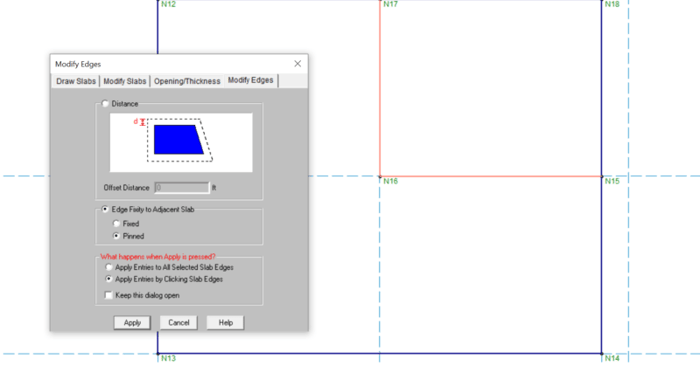
In RISAFoundation v8, you can add a shear splice between slabs so that it acts like a hinge. This is useful for modeling the effects of shear keys or dowel joints between slabs.
Our monthly "Structural Moment" newsletter is the best way to keep up with RISA’s product updates, new releases, new features, training events, webinars and more...