Tips & Tricks

December 29, 2025

What’s New for IBC 2024 in RISA: A Closer Look

With RISA’s latest release of RISA-3D v23.0.1, we’re continuing to expand support for IBC 2024, helping engineers stay aligned with the latest building code requirements as adoption accelerates across the U.S.—including federally funded projects. This release builds on v23.0.0 ASCE 7-22 enhancements and adds key material design updates that move RISA further into full IBC 2024 compliance. New Material Design Updates Supporting IBC 2024 The upcoming release introduces several important design code updates referenced by IBC 2024, including: Steel Seismic design per AISC 341-22 Prequalified connections per AISC 358-22 Continued support for AISC 360-22 (16th Edition) steel design Ongoing updates to the hot-rolled shape database, including compatibility with both 15th and 16th Edition steel manuals These updates support modern seismic detailing requirements and ensure consistency with current steel industry standards. Masonry Masonry design per TMS 402-22, aligning with the latest strength and serviceability provisions adopted by IBC 2024. Key updates include: Revisions to shear design equations, including clarified definitions of shear area as outlined in Table 4.4.5, improving consistency and transparency in shear capacity calculations. Updated strength reduction factors for flexure and combined flexure + axial. Unlike previous editions that used a fixed ϕ-factor of 0.9, TMS 402-22 introduces tension-controlled,…

Read More

Viewing Coordinates in Cursor Display
December 16, 2016

Viewing Coordinates in Cursor Display

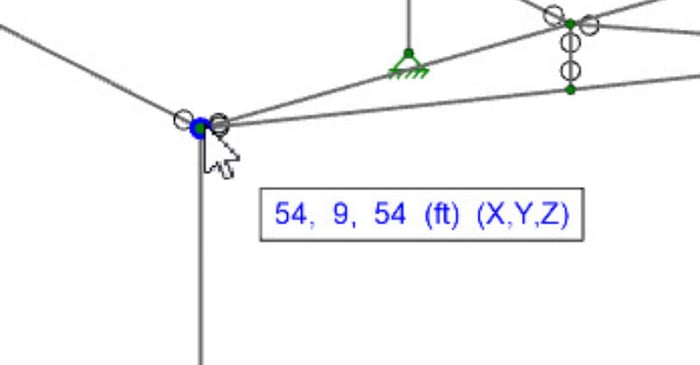
In RISA-3D, RISAFloor, and RISAFoundation the cursor now provides additional information regarding the cursor coordinates. As you move your cursor around on your screen, a box adjacent to your cursor will appear and populate with the coordinates of the cursor.
Read More
Basic Code Terms for Seismic Behavior and Why We Use Them
November 2, 2016

Basic Code Terms for Seismic Behavior and Why We Use Them

Seismic Forces are generated automatically using seismic parameters R, SD1, and SDS in the Seismic Load Generator when using the Director to go from RISAFloor to RISA-3D or when inserting Seismic Loads on a rigid diaphragm in RISA-3D. Additionally, Seismic Load Combinations can be generated using...

Read More
Instabilities in RISA-3D with Flexible Diaphragms
October 19, 2016

Instabilities in RISA-3D with Flexible Diaphragms

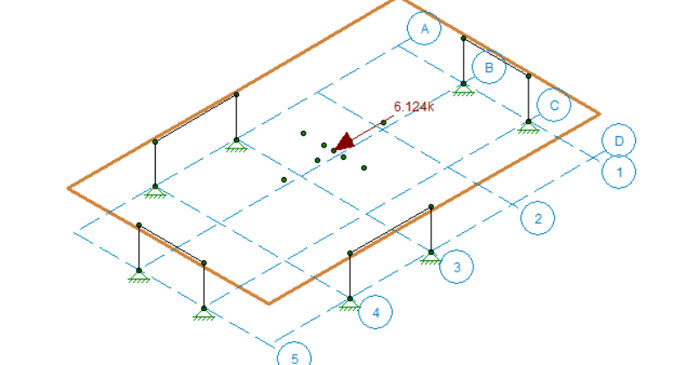
In a model that contains both RISAFloor and RISA-3D data it is possible to define your diaphragms as either flexible or rigid for lateral design. You can do this from the Diaphragms spreadsheet in either program:

Read More
How Does RISA-3D Account for Torsional Warping?
August 17, 2016

How Does RISA-3D Account for Torsional Warping?

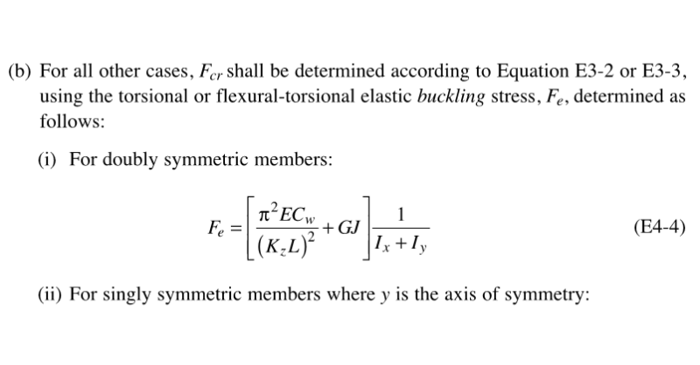
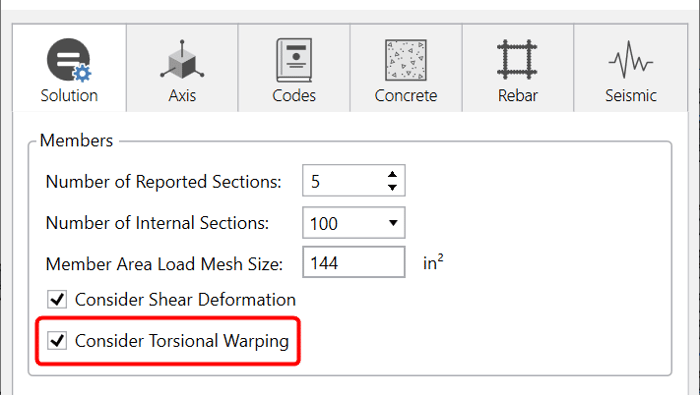
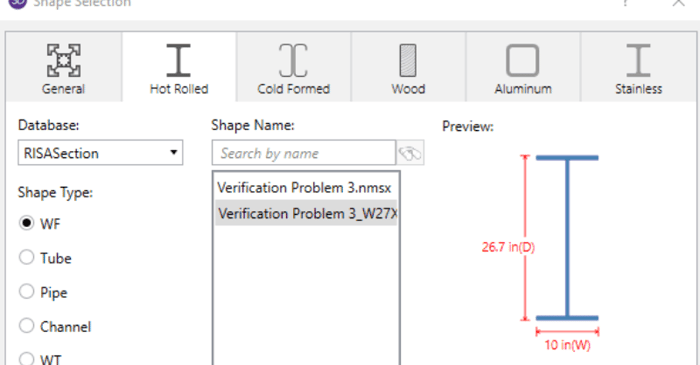
Twisting of a member or frame induces torsional forces and stresses. This is included in the RISA-3D analysis as long as you have the Torsional Warping checkbox selected on the Solution tab of (Global) Model Settings.

Read More
Improved Wall Panel Results
March 26, 2016

Improved Wall Panel Results

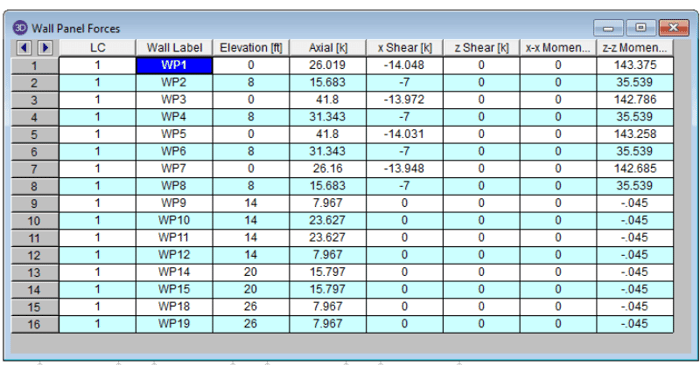
Wall Panel Forces Spreadsheet The power of RISA is the easy to access output. The Wall Panels have all the calculations and forces displayed in the Detail Report and now the new Wall Panel Forces gives you a quick way to get all the forces across the base of the wall. This new spreadsheet can be...

Read More
How Do I Find A Failing Member in the Model?
March 18, 2016

How Do I Find A Failing Member in the Model?

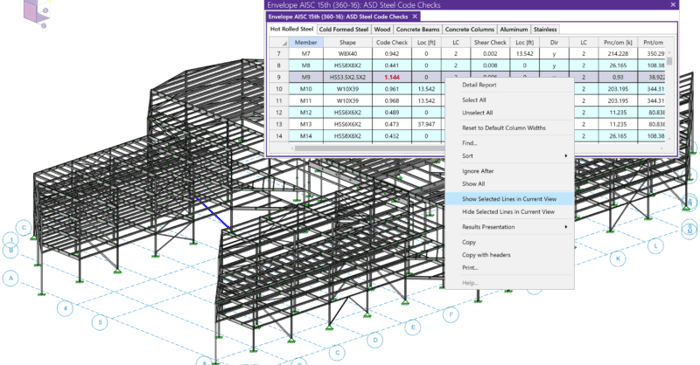
You may find that when looking at the Code Check spreadsheet that a given member is failing in design. Here is an example where a steel brace is failing in bending.

Read More