


August 30, 2019
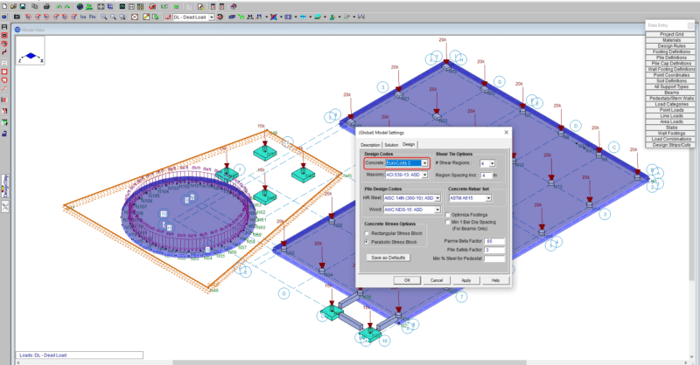
Foundation Design according to Eurocode 2
RISAFoundation v12 includes mat slab, concrete beam and pedestal design according to Eurocode 2. For more information, check out the video below.
RISAFoundation v12 includes mat slab, concrete beam and pedestal design according to Eurocode 2. For more information, check out the video below.
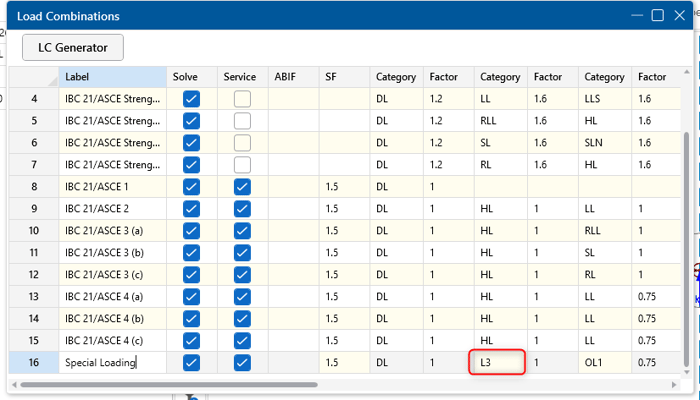
RISAFoundation includes the ability to utilize “nested” load combinations. Currently, the Load Combinations spreadsheet in RISAFoundation is limited to ten columns of Basic Load Cases (BLCs) and Factor combinations. However, there are times where you may need to include additional entries to your...
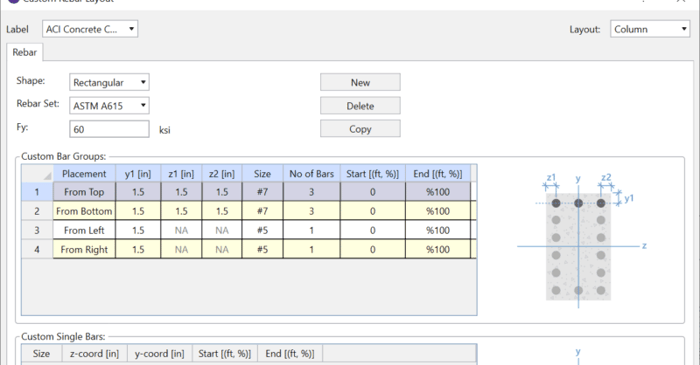
Applying a Custom Rebar Layout in RISA-3D: To begin creating a custom rebar layout, simply click the Custom Rebar Layout button located in the Advanced tab of the ribbon toolbar.
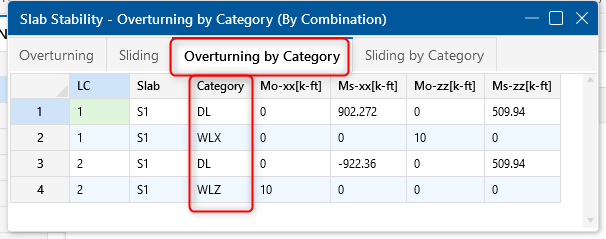
RISAFoundation v11.0 includes two new tabs in the Safety Factors results spreadsheet that breakdown the slab’s stabilizing and destabilizing forces for each category. The new Overturn/Resist by Category and Sliding/Resist by Category tabs make it easy to understand how the program calculates the...
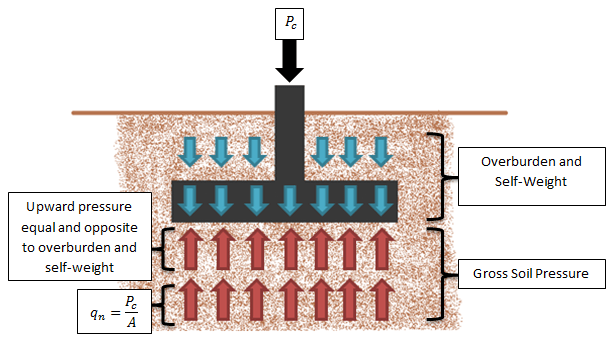
RISAFoundation can apply soil overburden to a mat slab to account for the weight of the soil above the foundation. Simply enter a Soil Overburden pressure value for your foundation design in the Slabs spreadsheet. The soil overburden load is utilized to help the mat slab resist overturning during...

The 2015 NBC compliant codes have been implemented into RISA-3D v17.0, RISAFloor v13.0 and RISAFoundation V.11.0!

The 2016 edition of ASCE Minimum Design Loads and Associated Criteria for Buildings and Other Structures (ASCE 7-16) is now available in RISA-3D v17.0, RISAFloor v13.0, and RISAFoundation v11.0!
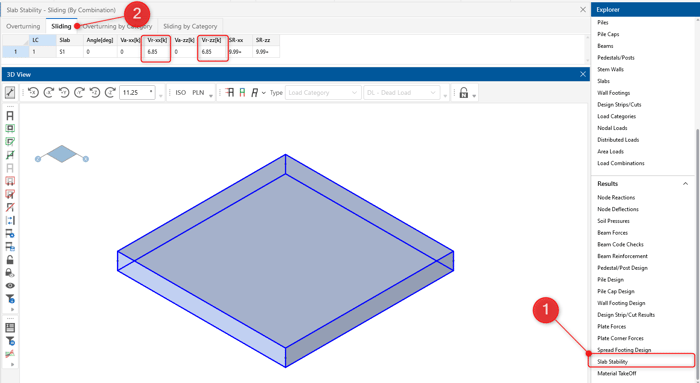
RISAFoundation includes the added ability to enter a passive pressure for slabs. The passive pressure represents soil pressure along the perimeter of the slab and will contribute to the sliding resistance of the slab.
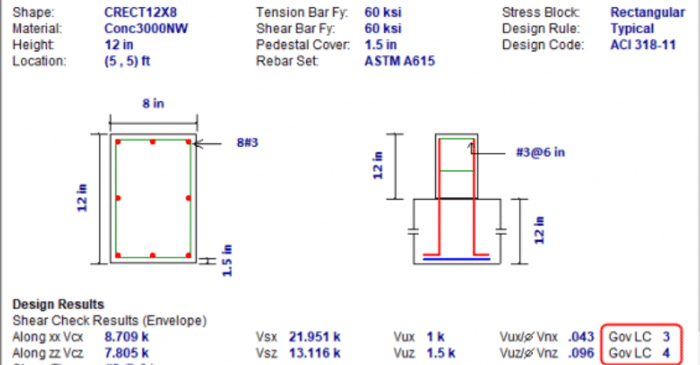
For concrete column members, the load combination producing the maximum shear code check is reported in the Detail Report and corresponding Results spreadsheet. Since concrete is evaluated based on a batch solution, this can be useful when shear governs the design.