


October 2, 2018
Wood Design per AWC NDS 2018 Wood Code
The new AWC NDS 2018 code has been implemented into RISA-3D v17.0 and RISAFloor v13.0. To select this code for your design, simply choose this code from the Codes tab within Model Settings.
The new AWC NDS 2018 code has been implemented into RISA-3D v17.0 and RISAFloor v13.0. To select this code for your design, simply choose this code from the Codes tab within Model Settings.
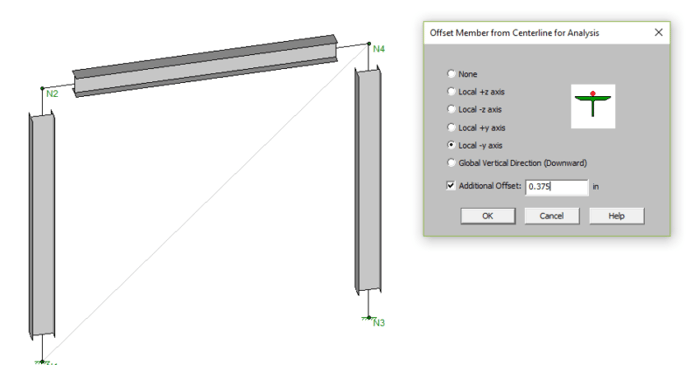
RISA-3D v15 includes "analysis offsets" which moves the centroid of the member for analysis allowing for flexibility in how members are designed. Let's use a WT brace to demonstrate how this feature can be utilized. When you model a WT brace it exists at the member centroid, which means that no...
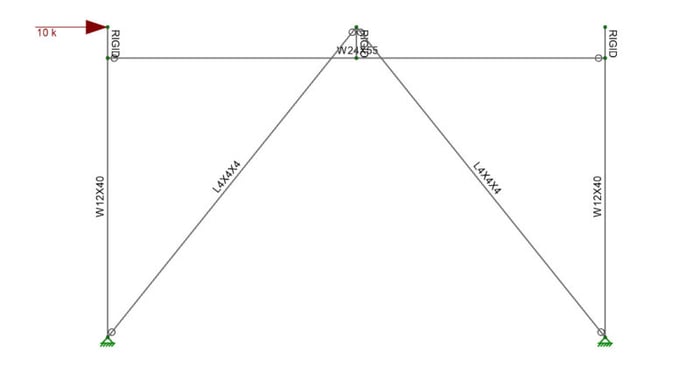
In a previous article we discussed how the Analysis Offsets feature in RISA-3D works and how it can be used to model members at top of steel. In this article, we will discuss some specific situations and how the results change with the analysis offset set as top of member (local -y axis).
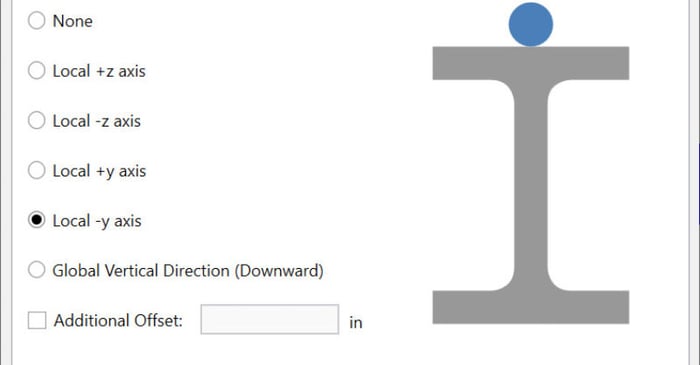
Have you ever wondered what the Analysis Offset feature does? Let’s take a look at how this feature can be used to model members at top of steel.
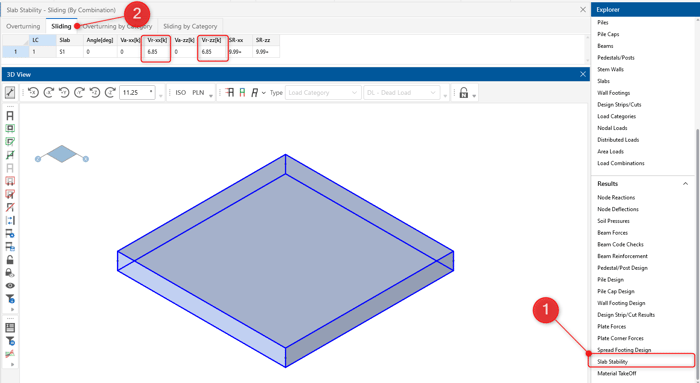
RISAFoundation includes the added ability to enter a passive pressure for slabs. The passive pressure represents soil pressure along the perimeter of the slab and will contribute to the sliding resistance of the slab.

The new AISC 360-16 15th Edition changes have been implemented into RISA-3D v17.0 and RISAFloor v13.0.
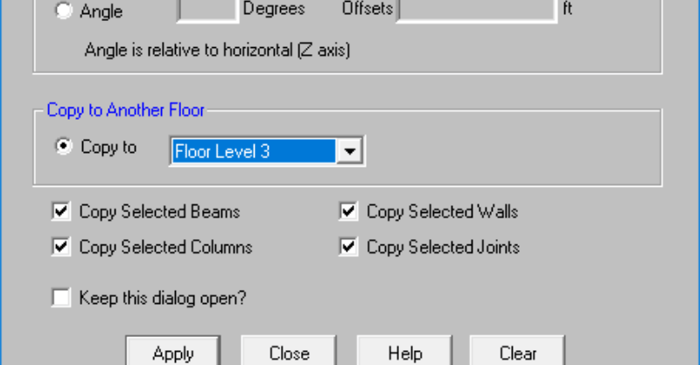
RISAFloor v13.0 now includes the added ability to graphically copy elements from one floor to another floor. This feature will expedite the modeling process by giving designers more control over which beams, columns, walls and joints are carried over to another floor. To access the tool, click on...

“Why am I receiving a P-Delta instability error when I run my DL + LL load combination? I don’t see this error when I run my lateral load only combination.”
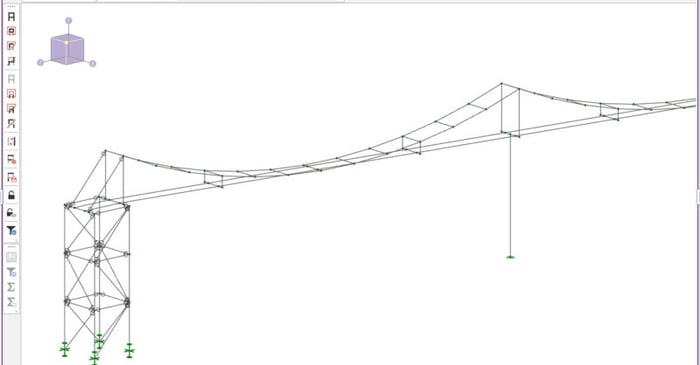
One of the support questions we get most often is, “How can I model a cable element in RISA-3D?” Cables that are straight and experience only axial loading can be easily modeled. When modeling structures with cables (such as guyed structures) the cables can be modeled as tension only and doing so...