


November 13, 2019
Concrete Wall Panels in RISA-3D
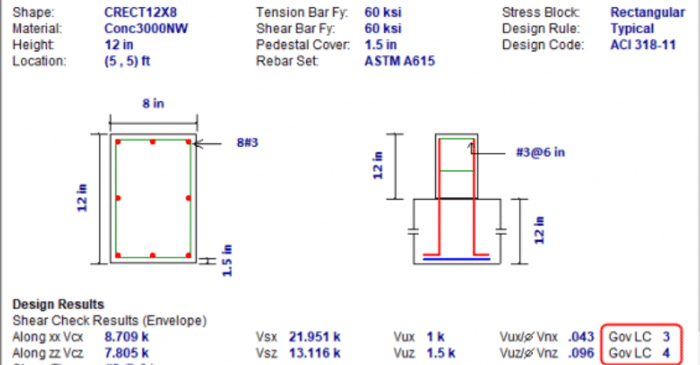
For concrete column members, the load combination producing the maximum shear code check is reported in the Detail Report and corresponding Results spreadsheet. Since concrete is evaluated based on a batch solution, this can be useful when shear governs the design.
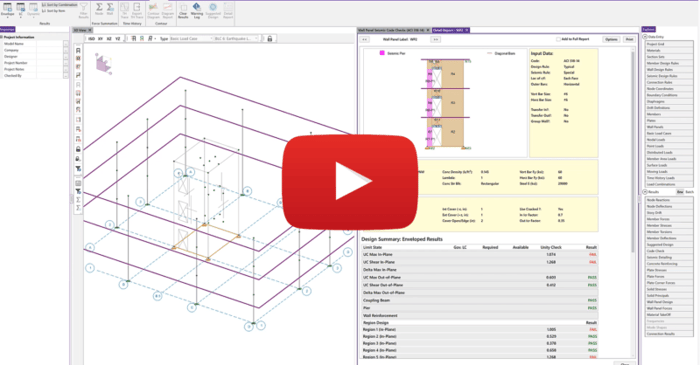
In RISA-3D we now have the ability to design concrete shear walls for seismic forces.

The BS EN 1992-1-1:2004+A1:2014 has been implemented in RISA-3D version 16.0 and RISAFloor version 12.0. To select this code for your design, simply open the Model Settings and under the Codes tab select BS EN 1992-1-1:2004+A1:2014 for concrete:
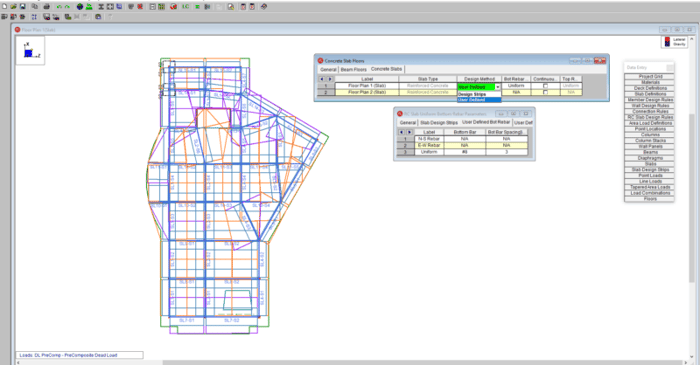
RISAFloor ES v12 now includes the ability to manually define user reinforcement in concrete slabs.
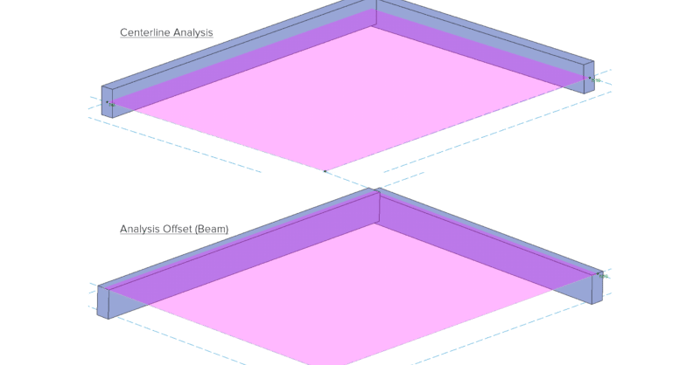
In RISAFoundation, you can add a vertical offset for slabs or beams. Traditionally, RISA uses centerline analysis which aligns all elements at their centerline. This is a common structural analysis assumption as the loads will get transferred to the centerline even if there is difference in the...
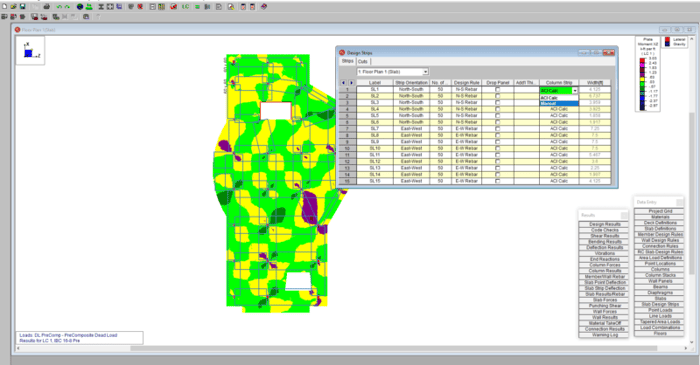
RISAFloor v11 now includes the ability to create custom column strip widths in order to optimize the design of slab reinforcement.
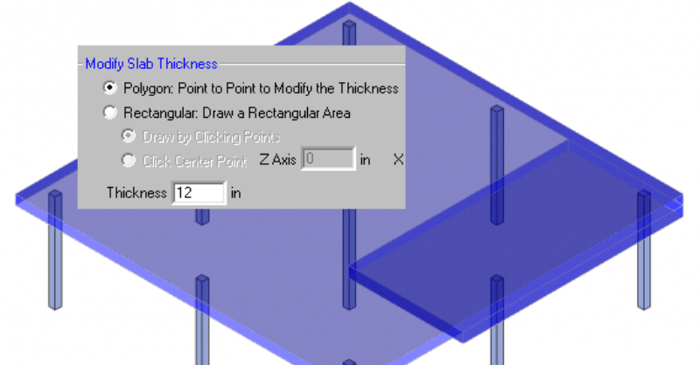
RISAFloor ES allows you to model concrete slabs of any thickness. However, there might be sections of the building that require a thicker slab. The icon is shown below and it will allow you to draw a Polygon or Rectangular shape.
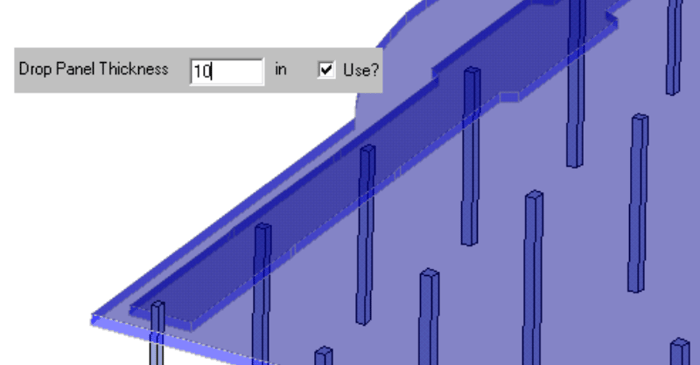
In RISAFloor ES, you can quickly thicken the slab in the column strip area with the Drop Panel tool. The column strip is typically the area of highest demand so increasing the thickness may help optimize the concrete usage.