


December 16, 2015
Concrete Design per ACI 318-14 Concrete Code now Available
The new ACI 318-14 code has been implemented into RISA-3D v14, RISAFloor v10, and RISAFoundation v8.
The new ACI 318-14 code has been implemented into RISA-3D v14, RISAFloor v10, and RISAFoundation v8.
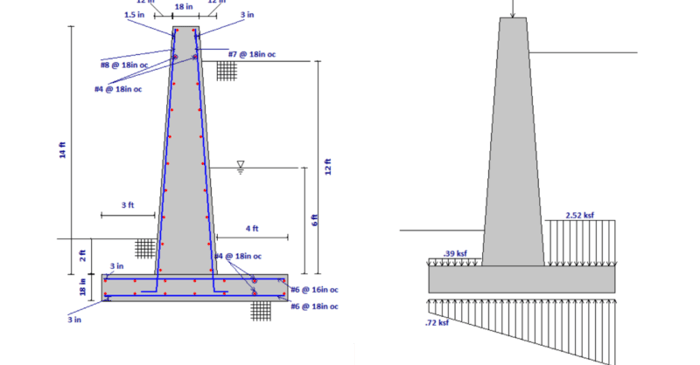
The batter dimensions can be set from Wall Footing Definitions:

In RISAFoundation, Design Strips are used to create regions in a slab for reinforcement design. Design strip size and shape is determined by the user, see the Help- Slab- Design Strip Width topic.
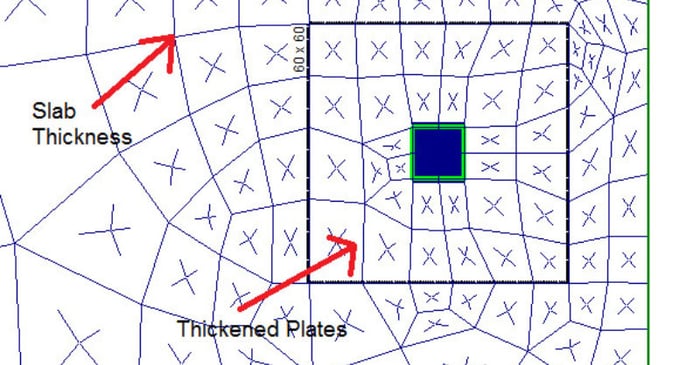
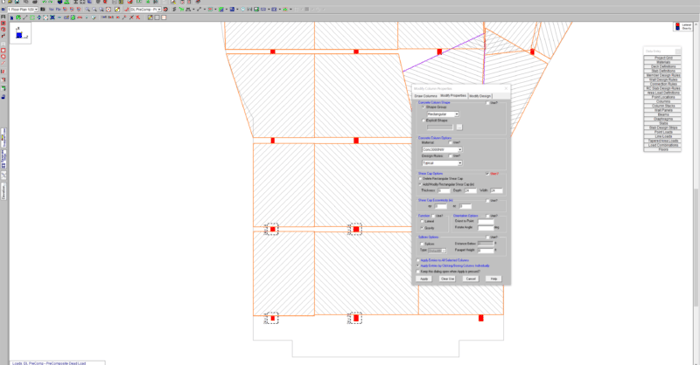
Per the ACI, you can add a Shear Cap to your column to increase the shear strength of the slab. In RISAFloor ES two-way slabs, adding a shear cap will thicken the plates around the column automatically. The Shear Cap will affect the Punching Shear and the One-Way shear calculations. As you draw the...
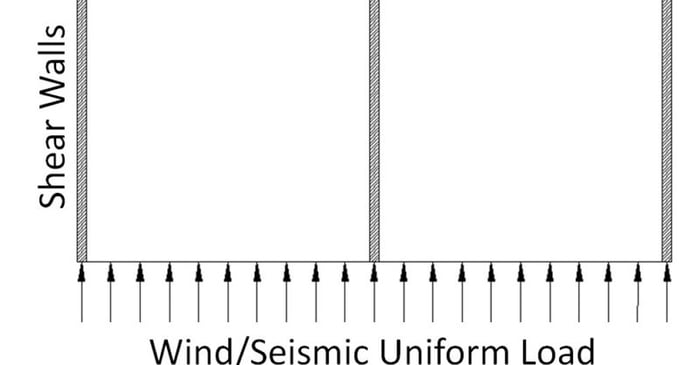
RISAFloor Concrete Floor Slabs can design be transferred into RISA-3D for lateral design using either a Rigid Diaphragm or Semi-Rigid diaphragm. In RISA-3D, the wind and seismic loads are calculated and then applied into the diaphragm level to distribute the forces to the Lateral Resisting System.
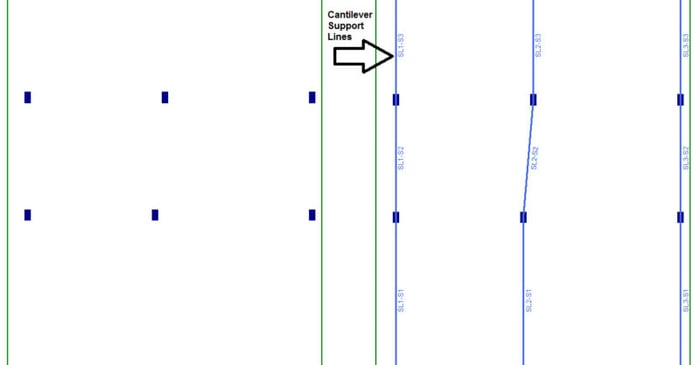
Concrete buildings often have large cantilevers. In RISAFloor ES, the Support lines can be drawn to support points but also they can be drawn as cantilevers (shown below).
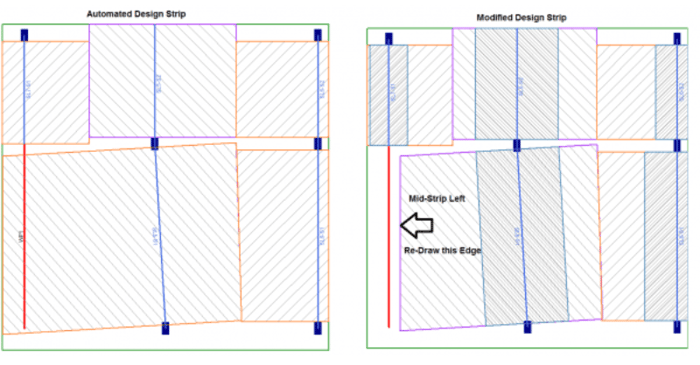
In RISAFloor ES, you draw a support line from support point to support point to define the Design Strips. The program will automatically create Design Strips based on the tributary width. When you have walls in the model, it is often a question of how you draw in the support lines.
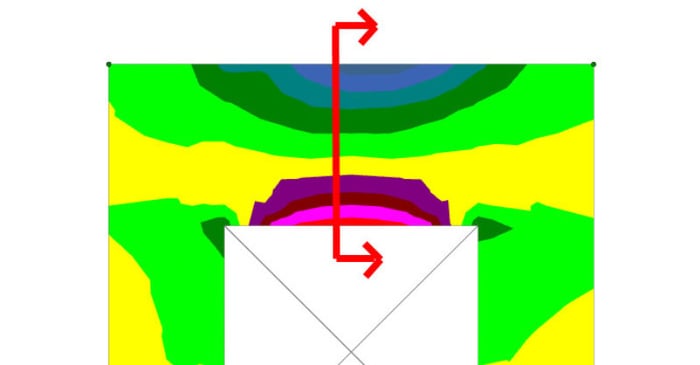
RISA-3D now has the ability to design concrete walls with openings for both in-plane and out of plane loading. For lintels we provide analysis results based on the finite element results of the region above the opening.