


November 13, 2019
Making and Viewing Model Changes in RISA-3D
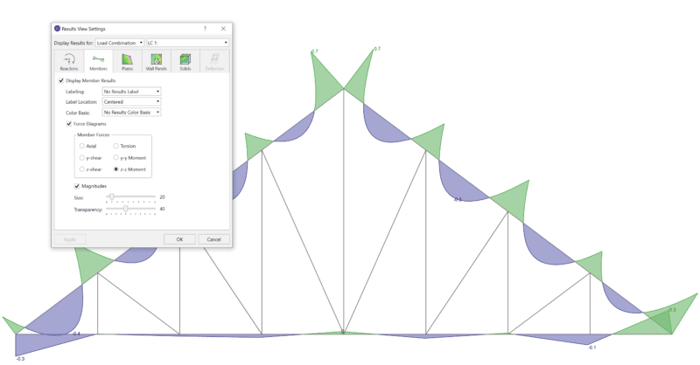
The Detail Report is great for reviewing the results and design of one member, but you often want to see the entire model’s forces or performance in RISA-3D. You can use the Result View Settings to graphically show force diagrams, deflections and design results on the model.

The RISA-3D training classes are a great way to receive instruction from the RISA experts while working on real-world examples that allow you to quickly master RISA software, take advantage of the latest features, streamline engineering and tackle modeling complexities. This two-day regional...

Last week, RISA held its final Steel Building Workshop at the Aquarium of the Pacific in Long Beach, CA. The Steel Building Workshop series, spanned 7 cities over the past year and gave engineers a first hand look at how the RISA Building System can be used to design a real world project from start...
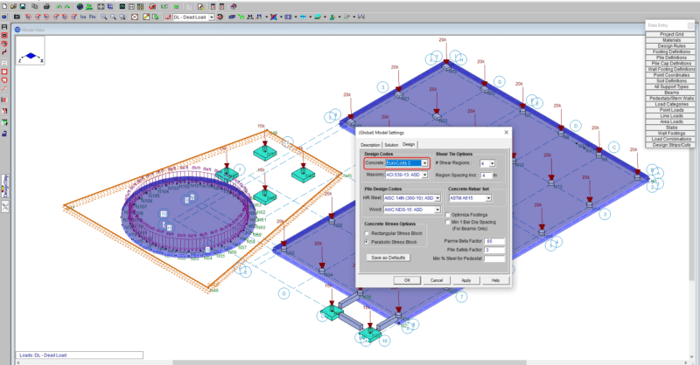
RISAFoundation v12 includes mat slab, concrete beam and pedestal design according to Eurocode 2. For more information, check out the video below.
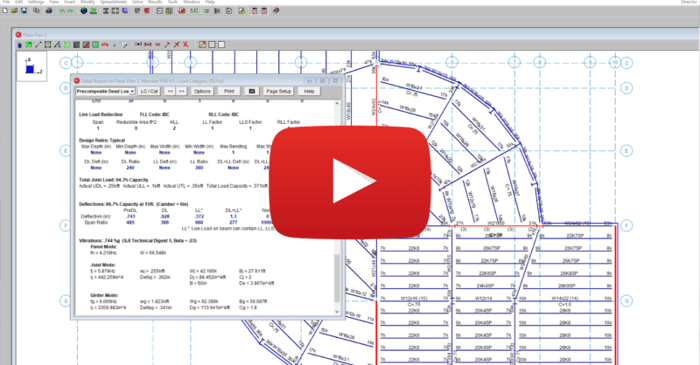
RISAFloor v14 includes Steel Joist Vibration Analysis per SJI Technical Digest #5. For more information, check out the video below.
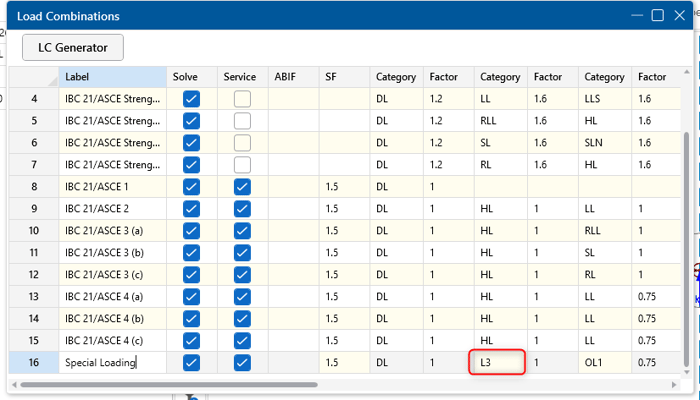
RISAFoundation includes the ability to utilize “nested” load combinations. Currently, the Load Combinations spreadsheet in RISAFoundation is limited to ten columns of Basic Load Cases (BLCs) and Factor combinations. However, there are times where you may need to include additional entries to your...

Strength Design (LRFD) according to the AWC-NDS 2015/2018 code has been implemented into RISAFloor v14.0. To select this code for your design, simply choose this code from the Codes tab within Global Model Settings.
RISAFloor v14 now includes floor vibration calculations per the 2nd Edition of AISC Design Guide #11. To select this code for your design, simply choose AISC DG 11 2nd Edition in the Beam Vibrations drop-down from the Codes tab within Global Model Settings.