


October 26, 2018
What’s New in the NBC 2015?
The 2015 NBC compliant codes have been implemented into RISA-3D v17.0, RISAFloor v13.0 and RISAFoundation V.11.0!
The 2015 NBC compliant codes have been implemented into RISA-3D v17.0, RISAFloor v13.0 and RISAFoundation V.11.0!

The 2016 edition of ASCE Minimum Design Loads and Associated Criteria for Buildings and Other Structures (ASCE 7-16) is now available in RISA-3D v17.0, RISAFloor v13.0, and RISAFoundation v11.0!
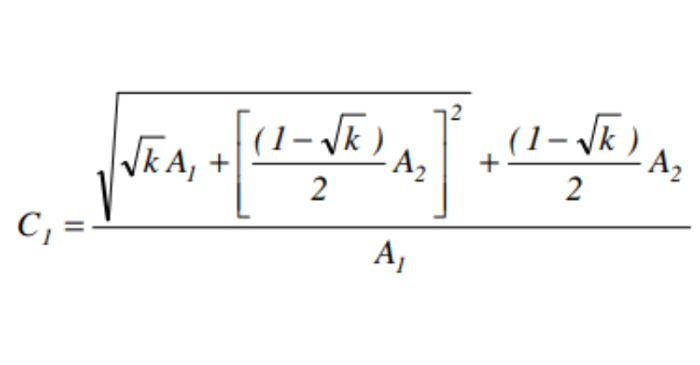
Eurocode lateral torsional buckling capacity is calculated per equations in Annex F in the ENV 1993-1-1:1992. This calculation uses variables C1, C2 and C3. Since there is no generic formula in the Eurocode to calculate the moment gradient factor, C1, RISA will use the widely accepted López, Yong...
RISAFloor v13 includes a variety of modeling features which allows users to quickly create and manipulate geometry. These features include construction lines, saved selections and copy elements from floor to floor. Overall, these features can be used to help engineers streamline their modeling...

The new AWC NDS 2018 code has been implemented into RISA-3D v17.0 and RISAFloor v13.0. To select this code for your design, simply choose this code from the Codes tab within Model Settings.

The new AISC 360-16 15th Edition changes have been implemented into RISA-3D v17.0 and RISAFloor v13.0.
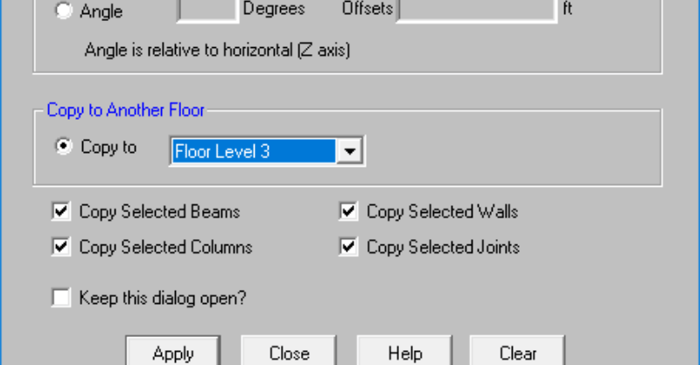
RISAFloor v13.0 now includes the added ability to graphically copy elements from one floor to another floor. This feature will expedite the modeling process by giving designers more control over which beams, columns, walls and joints are carried over to another floor. To access the tool, click on...
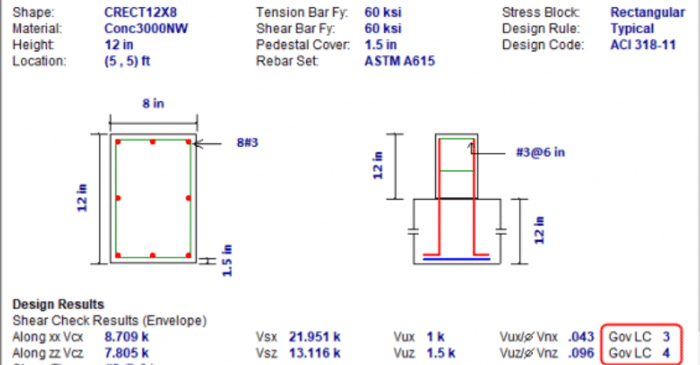
For concrete column members, the load combination producing the maximum shear code check is reported in the Detail Report and corresponding Results spreadsheet. Since concrete is evaluated based on a batch solution, this can be useful when shear governs the design.
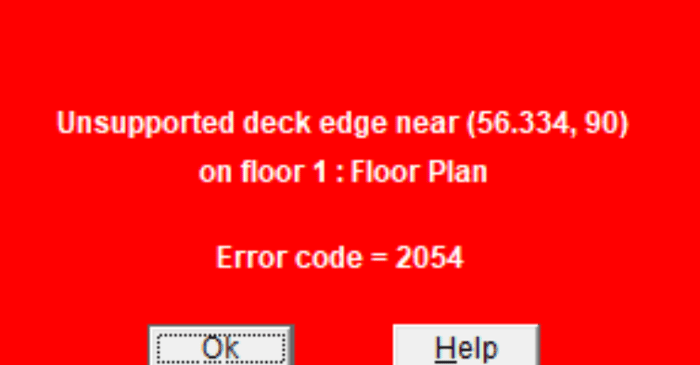
Have you ever received error message 2054 when modeling in RISAFloor?