


January 31, 2013
Slab Modifications in RISAFoundation
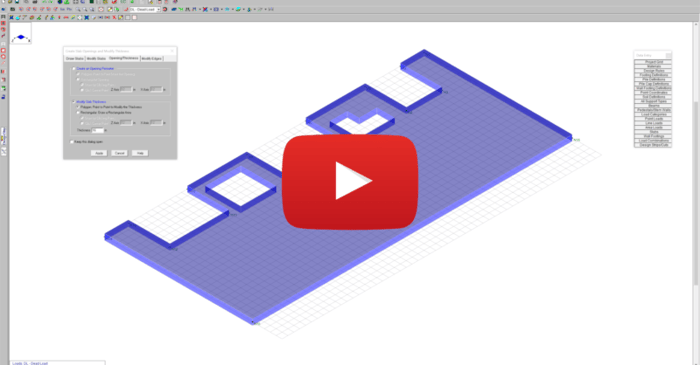
This video shows how slab modifications can used to add an opening or change the thickness of a portion of the slab in RISAFoundation.
This video shows how slab modifications can used to add an opening or change the thickness of a portion of the slab in RISAFoundation.

RISAFoundation includes a footing element which is represented by a single node. A frequent question that arises is how to apply multiple point loads to a single footing, but at different locations. This can be done with or without corresponding pedestals, but for the example below multiple...

RISAFloor, RISA-3D, and RISAFoundation all allow the user to export a model as a DXF file for use in most major CAD programs.
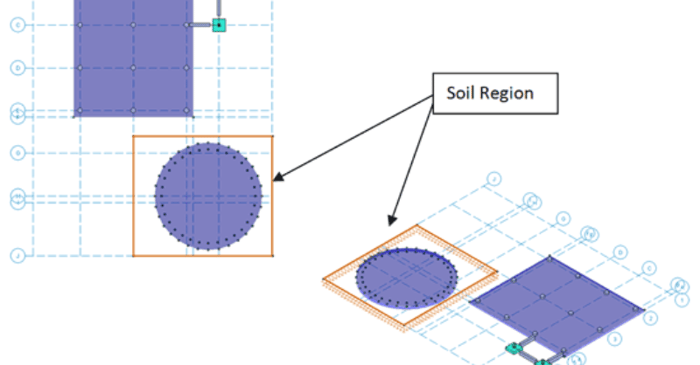
While RISAFoundation has a Default soil properties (Subgrade Modulus and Allowable Bearing), it is possible to create regions of varying soil properties.
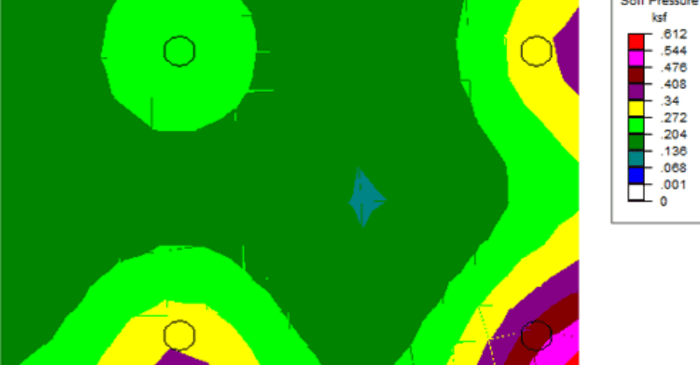
RISAFoundation has the capability to report soil bearing pressures, and check them against allowable pressures.
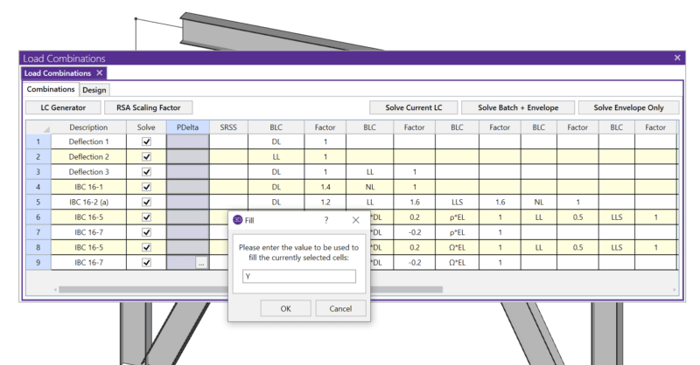
RISA includes various advanced spreadsheet operations that make reviewing input and results easy.
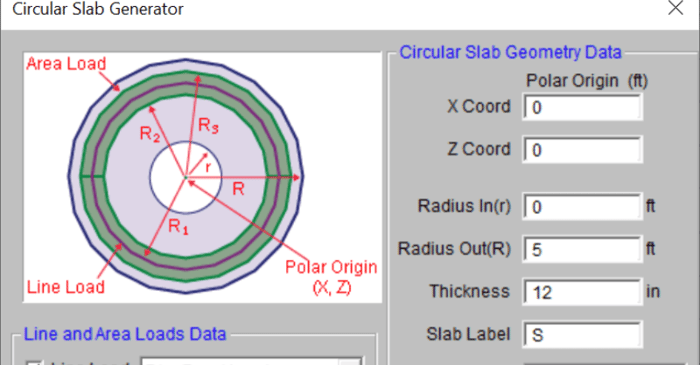
RISAFoundation now has the ability to automatically generate a circular slab with just a few easy clicks. Using the generator the program will create the mat slab and tank loading all in one easy step. Go to the Insert menu and select "Circular Foundation".
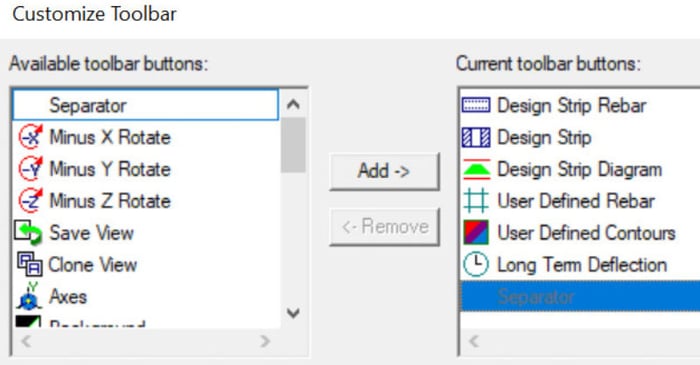
The customizable toolbar is a new feature in RISAFloor. It’s really useful and you may have overlooked it. You’ll find all of your familiar buttons as well some new buttons which make reviewing your model and results easier.