


October 7, 2017
User Defined Reinforcement
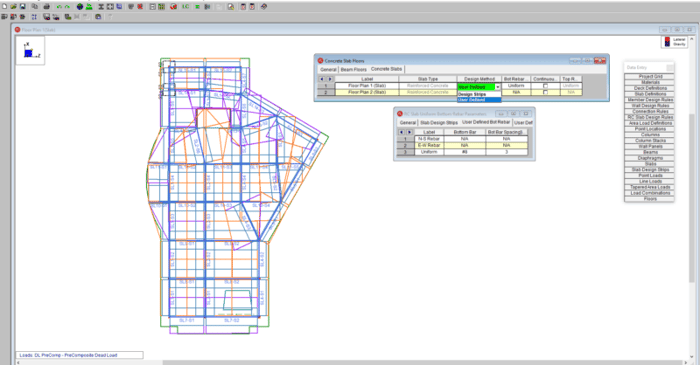
RISAFloor ES v12 now includes the ability to manually define user reinforcement in concrete slabs.
RISAFloor ES v12 now includes the ability to manually define user reinforcement in concrete slabs.

You can now set the L-Torque length for the EN1993-1-1:2014 code in RISA-3D and RISAFloor. In previous versions of the Eurocode, RISAFloor and RISA-3D used the full member length as the torque length when calculating torsional buckling. Now, per EN1993-1-1:2014 Section 13.3.2, we’ve added the...
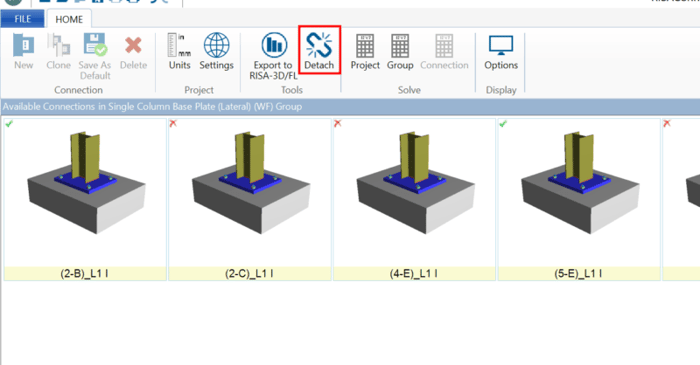
RISAFloor, RISA-3D, and Revit can export connection rule and loading information to streamline the design process for a project with numerous connections. This process helps to quickly create connections with the member shape, geometry, and loading information from the original program.
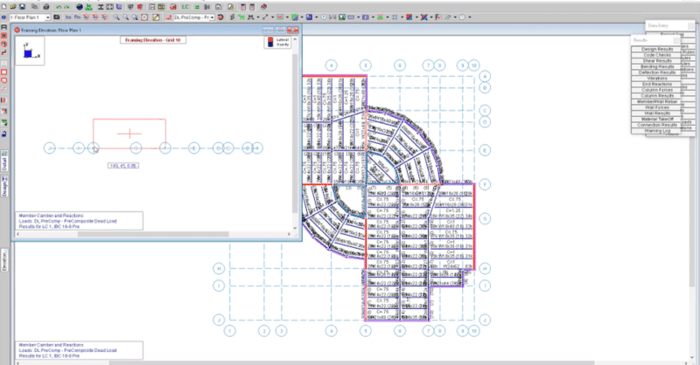
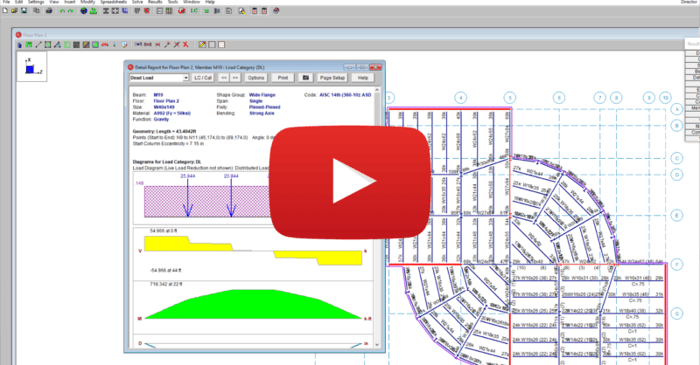
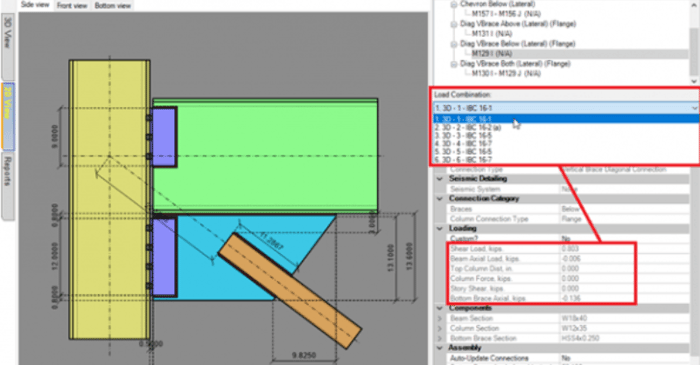
RISAConnection v7.0.1 includes the option for customized loading in an integrated RISAConnection model. If you have used RISA-3D or RISAFloor to export connection rules for design in RISAConnection, they also exported over the forces per the solved load combinations.
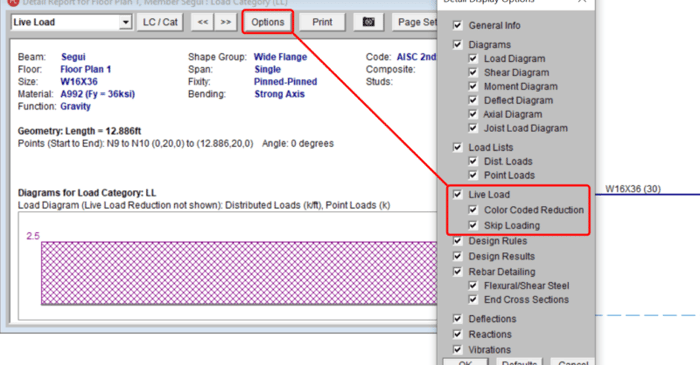
The consideration of Live Load reduction is a feature that has been in RISAFloor from the very beginning. However, recent changes to the interface make it significantly easier for you to understand how live load reduction is affecting the design forces in your structure.
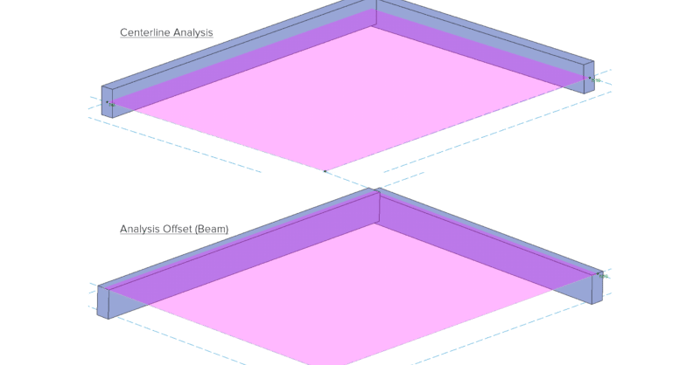
In RISAFoundation, you can add a vertical offset for slabs or beams. Traditionally, RISA uses centerline analysis which aligns all elements at their centerline. This is a common structural analysis assumption as the loads will get transferred to the centerline even if there is difference in the...
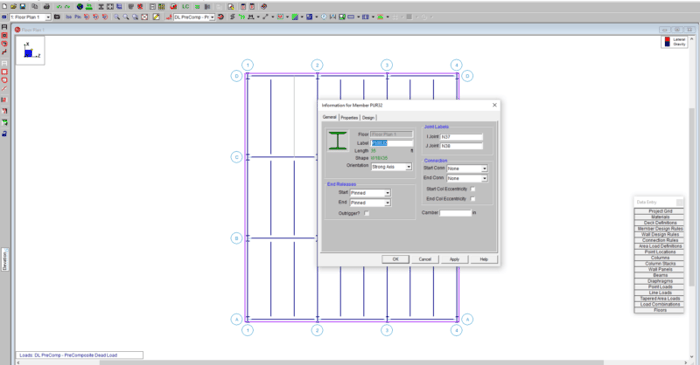
RISAFloor now has the ability to double-click a member to open the Member Information dialog. This feature has been in RISA-3D but now it is available in RISAFloor. Double click any member in your model and the Member dialog box opens. It has three tabs: General, Properties and Design.