Tips & Tricks

December 29, 2025

What’s New for IBC 2024 in RISA: A Closer Look

With RISA’s latest release of RISA-3D v23.0.1, we’re continuing to expand support for IBC 2024, helping engineers stay aligned with the latest building code requirements as adoption accelerates across the U.S.—including federally funded projects. This release builds on v23.0.0 ASCE 7-22 enhancements and adds key material design updates that move RISA further into full IBC 2024 compliance. New Material Design Updates Supporting IBC 2024 The upcoming release introduces several important design code updates referenced by IBC 2024, including: Steel Seismic design per AISC 341-22 Prequalified connections per AISC 358-22 Continued support for AISC 360-22 (16th Edition) steel design Ongoing updates to the hot-rolled shape database, including compatibility with both 15th and 16th Edition steel manuals These updates support modern seismic detailing requirements and ensure consistency with current steel industry standards. Masonry Masonry design per TMS 402-22, aligning with the latest strength and serviceability provisions adopted by IBC 2024. Key updates include: Revisions to shear design equations, including clarified definitions of shear area as outlined in Table 4.4.5, improving consistency and transparency in shear capacity calculations. Updated strength reduction factors for flexure and combined flexure + axial. Unlike previous editions that used a fixed ϕ-factor of 0.9, TMS 402-22 introduces tension-controlled,…

Read More

Beam Skip Loading now Available
November 15, 2017

Beam Skip Loading now Available

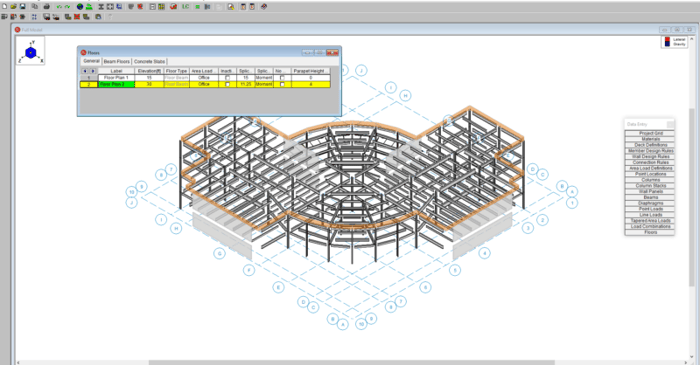
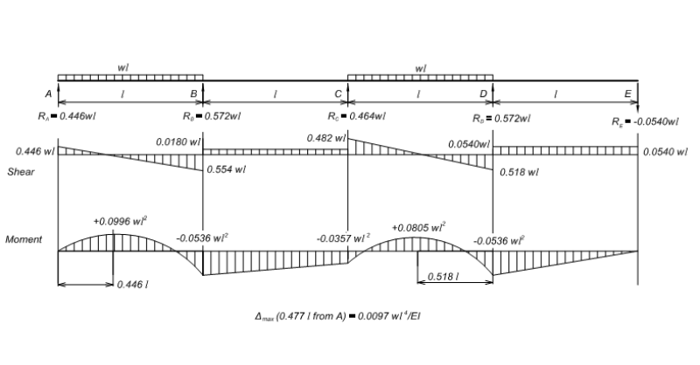
Basic Description Pattern based skip loading has recently been added into RISAFloor beam design. This can be turned on or off using the checkbox in the Solution tab of the (Global) Model Settings shown below.
Read More
Enhanced Live Load Reduction
September 14, 2017

Enhanced Live Load Reduction

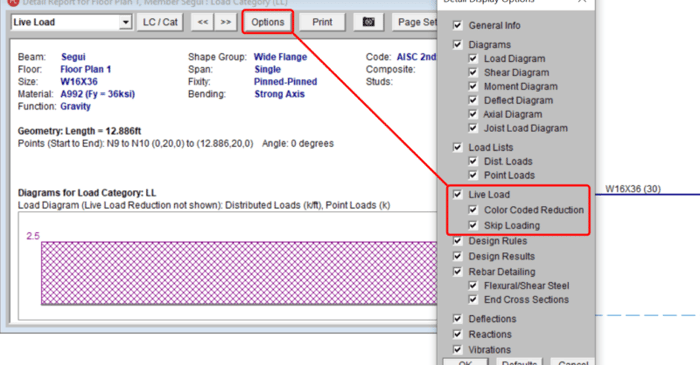
The consideration of Live Load reduction is a feature that has been in RISAFloor from the very beginning. However, recent changes to the interface make it significantly easier for you to understand how live load reduction is affecting the design forces in your structure.

Read More
Parapet Wind Loading
June 7, 2017

Parapet Wind Loading

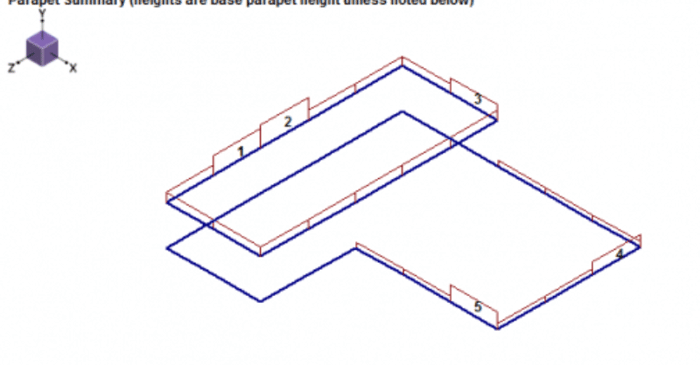
RISAFloor v11 allows users to add parapets while allowing the program to calculate the wind loads per the ASCE 7 parapet wind loading requirements.

Read More
How to verify loads graphically in RISAFloor
November 9, 2016

How to verify loads graphically in RISAFloor

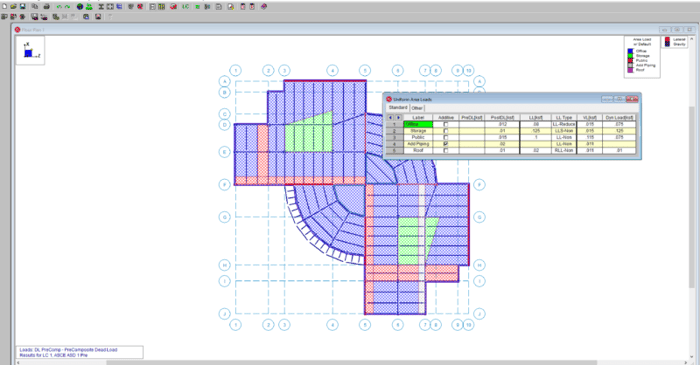
RISAFloor does not record the applied area loads in a spreadsheet. To simplify modeling, it instead assumes a default area load over the entire diaphragm area. Additionally, you are free to apply area loads beyond the default loads. Whatever is drawn last will be considered the applied loading...

Read More
Include Moving Load in Batch Solution
May 27, 2015

Include Moving Load in Batch Solution

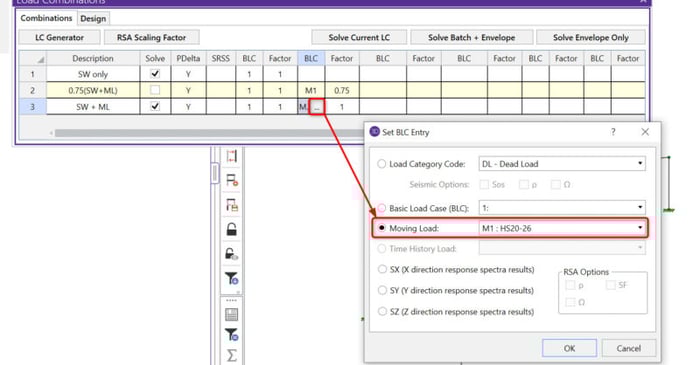
With the new release of RISA-3D v13.0, you now have the ability to include moving load combinations in a Batch solution. Just select which load combinations you want included in the Batch solution using the “Solve” checkboxes in the Load Combinations spreadsheet.

Read More
How to Use Moving Loads
June 19, 2014

How to Use Moving Loads

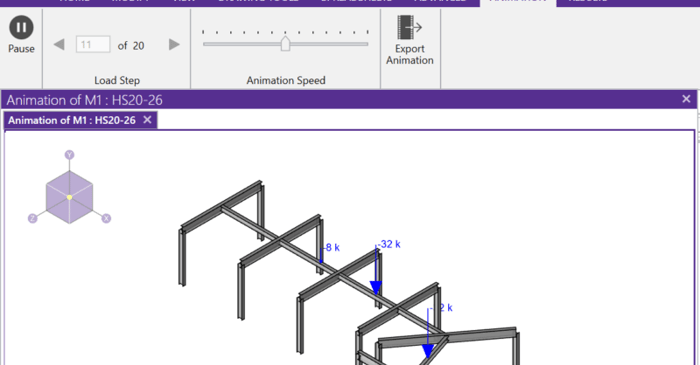
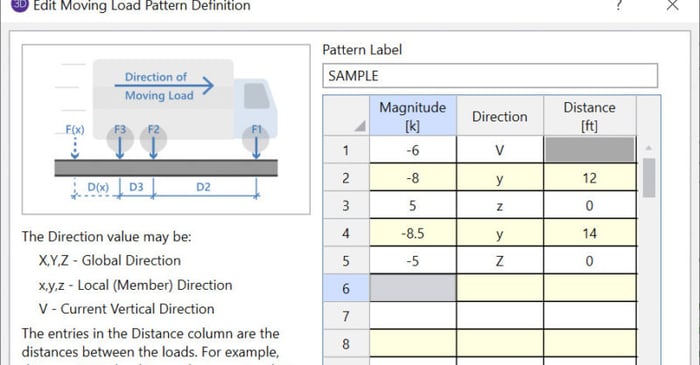
RISA-3D and RISA-2D will allow you to add a moving load pattern to your model and include it in your envelope solution.

Read More
How to Add a New Pattern to the Moving Load Database
February 18, 2014

How to Add a New Pattern to the Moving Load Database

RISA-3D and RISA-2D come with a default list of existing moving load patterns. These are listed in the Moving Loads Library which can be viewed by clicking on the Moving Load Patterns button in the Advanced tab.

Read More
How to use Live Load Special
July 2, 2013

How to use Live Load Special

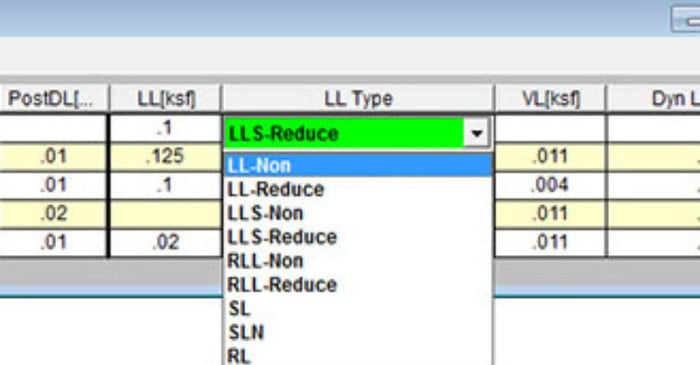
In RISAFloor, there are several different Load Categories that define Live Load. The IBC and the ASCE7 both have provisions that allow you to reduce the tributary area of the Live Loads. These codes have equations that adjust the Live load based on the tributary area and usage (KLL*AT). In...

Read More