Tips & Tricks

December 29, 2025

What’s New for IBC 2024 in RISA: A Closer Look

With RISA’s latest release of RISA-3D v23.0.1, we’re continuing to expand support for IBC 2024, helping engineers stay aligned with the latest building code requirements as adoption accelerates across the U.S.—including federally funded projects. This release builds on v23.0.0 ASCE 7-22 enhancements and adds key material design updates that move RISA further into full IBC 2024 compliance. New Material Design Updates Supporting IBC 2024 The upcoming release introduces several important design code updates referenced by IBC 2024, including: Steel Seismic design per AISC 341-22 Prequalified connections per AISC 358-22 Continued support for AISC 360-22 (16th Edition) steel design Ongoing updates to the hot-rolled shape database, including compatibility with both 15th and 16th Edition steel manuals These updates support modern seismic detailing requirements and ensure consistency with current steel industry standards. Masonry Masonry design per TMS 402-22, aligning with the latest strength and serviceability provisions adopted by IBC 2024. Key updates include: Revisions to shear design equations, including clarified definitions of shear area as outlined in Table 4.4.5, improving consistency and transparency in shear capacity calculations. Updated strength reduction factors for flexure and combined flexure + axial. Unlike previous editions that used a fixed ϕ-factor of 0.9, TMS 402-22 introduces tension-controlled,…

Read More

Cold-Formed Steel Back to Back Design
March 12, 2015

Cold-Formed Steel Back to Back Design

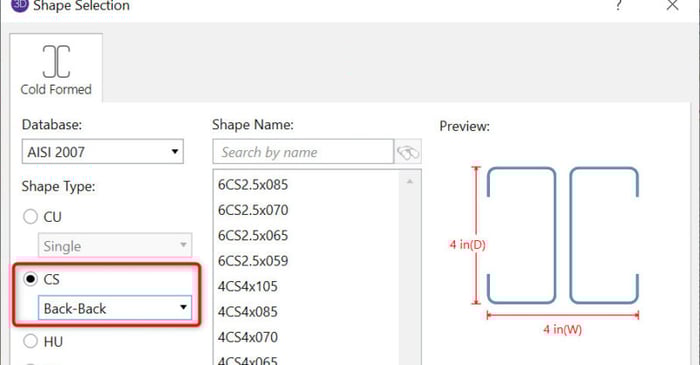
Cold Formed Steel channels are often built-up as back-to-back sections to help strengthen them. RISA-3D can design the Cold Formed Steel back-to-back channel and track sections. The Shape Selection dialog will allow you to model the built –up sections by selecting “Back to Back” shown below.
Read More
The Internal Force Summation Tool for Walls
March 10, 2015

The Internal Force Summation Tool for Walls

You may be familiar with the Internal Force Summation Tool (IFST) that is currently present in RISA-3D. However, a new tool has been added which allows you to click point to point within a wall and will only sum forces between these two points. Previously when using the IFST, forces were summed...

Read More
What is a Semi-Rigid Diaphragm?
March 10, 2015

What is a Semi-Rigid Diaphragm?

RISAFloor Concrete Floor Slabs can design be transferred into RISA-3D for lateral design using either a Rigid Diaphragm or Semi-Rigid diaphragm. In RISA-3D, the wind and seismic loads are calculated and then applied into the diaphragm level to distribute the forces to the Lateral Resisting System.

Read More
How to Model With Stem Walls in RISAFoundation
March 5, 2015

How to Model With Stem Walls in RISAFoundation

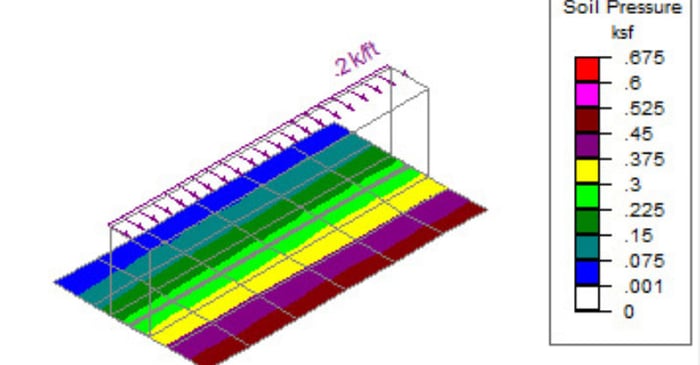
New in RISAFoundation V7 is a Stem Wall element. This element would be drawn on a slab element for the purpose of transferring wall loads into the slab. You can add stem walls either from the Draw Stem Walls dialog.

Read More
Canadian Wood Design now Available
February 26, 2015

Canadian Wood Design now Available

Timber design per the Canadian CSA 086-2009 design code is now available. Canadian wood member design is very similar to the US NDS member design. There are slightly different load factors, material properties, shape tables, and capacity equations, but the overall modeling procedure in RISA is the...

Read More
What's New for Code Updates in RISA
February 17, 2015

What's New for Code Updates in RISA

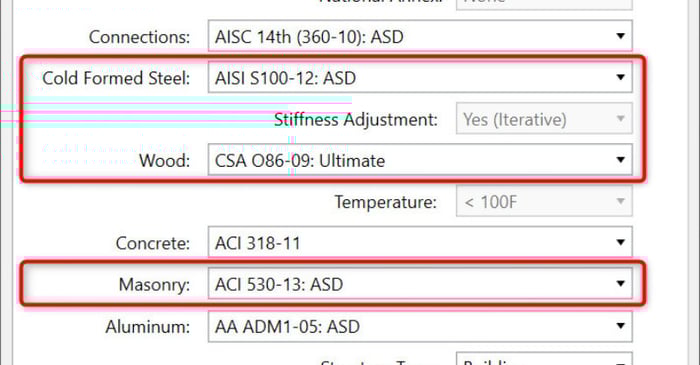
New codes have been added to RISA-3D v13 and RISAFloor v9, these include: AISI S100-12: Cold-Formed Steel Design Code CSA 086-09: Canadian Wood Design Code ACI 530-13: Masonry Design Code To select these codes for your design, simply choose them from the Codes tab of Global Parameters:

Read More
Approximate Guidelines for Plate Meshing
January 15, 2015

Approximate Guidelines for Plate Meshing

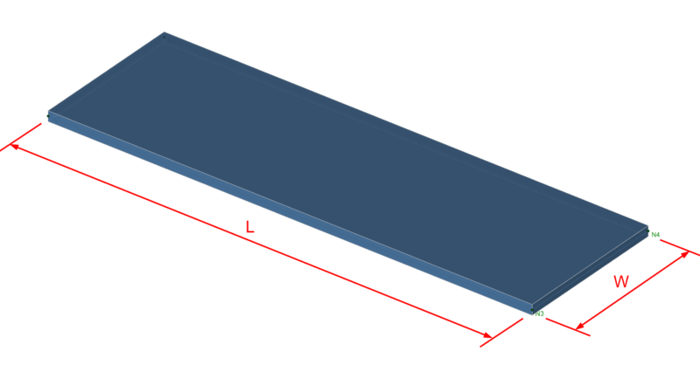
It is important to submesh plate elements in your model in order to obtain the most accurate results. However, many users wonder what the approximate guidelines for plate dimensions are acceptable.

Read More
What do the Unbraced Length commands Segment and Lbyy mean?
December 3, 2014

What do the Unbraced Length commands Segment and Lbyy mean?

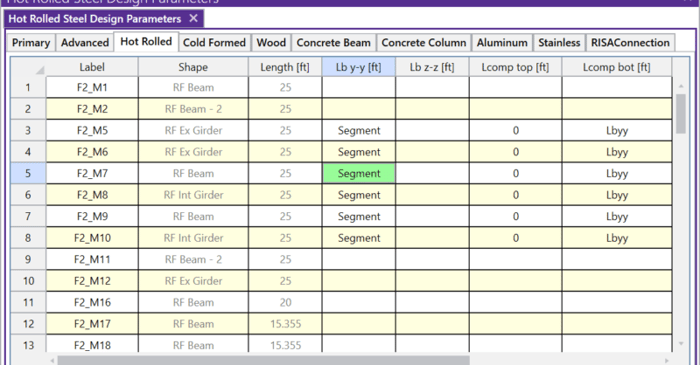
Aside from leaving an unbraced length blank or inputting a fixed distance, you can harness the program’s ability to use a limited intelligence for determining unbraced lengths. In order to do this you can simply type in the name of the Unbraced Length Commands into the unbraced length field.

Read More
What do the Unbraced Lengths represent?
November 19, 2014

What do the Unbraced Lengths represent?

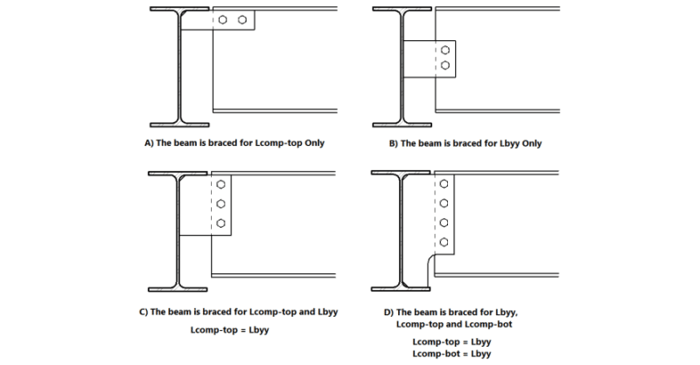
Understanding unbraced lengths and how RISA software accounts for them is essential in the design of any project. In RISA there are three main types of unbraced lengths:

Read More