May 14, 2014
Trim and Extend in RISAFloor
With RISA’s latest release of RISA-3D v23.0.1, we’re continuing to expand support for IBC 2024, helping engineers stay aligned with the latest building code requirements as adoption accelerates across the U.S.—including federally funded projects. This release builds on v23.0.0 ASCE 7-22 enhancements and adds key material design updates that move RISA further into full IBC 2024 compliance. New Material Design Updates Supporting IBC 2024 The upcoming release introduces several important design code updates referenced by IBC 2024, including: Steel Seismic design per AISC 341-22 Prequalified connections per AISC 358-22 Continued support for AISC 360-22 (16th Edition) steel design Ongoing updates to the hot-rolled shape database, including compatibility with both 15th and 16th Edition steel manuals These updates support modern seismic detailing requirements and ensure consistency with current steel industry standards. Masonry Masonry design per TMS 402-22, aligning with the latest strength and serviceability provisions adopted by IBC 2024. Key updates include: Revisions to shear design equations, including clarified definitions of shear area as outlined in Table 4.4.5, improving consistency and transparency in shear capacity calculations. Updated strength reduction factors for flexure and combined flexure + axial. Unlike previous editions that used a fixed ϕ-factor of 0.9, TMS 402-22 introduces tension-controlled,…
Read More
Print reports can contain spreadsheet information, graphic views, detail reports for specific members and load combinations, and external images such as hand calculations, title pages, etc. When in a model view, you will notice a button with an image of a camera on it in the toolbar:
Need to first know how to model a slab on grade? See our Slabs on Grade article to learn how to model slabs on grade:
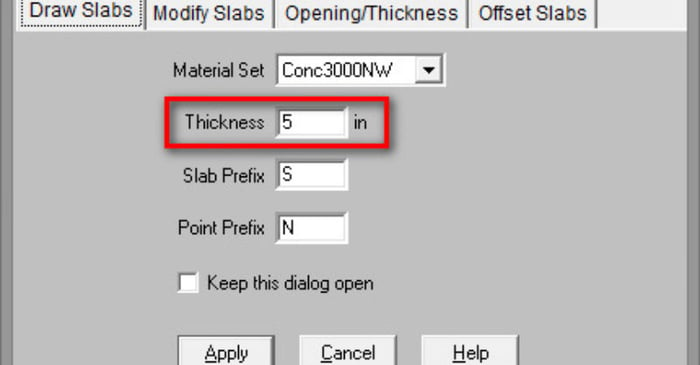
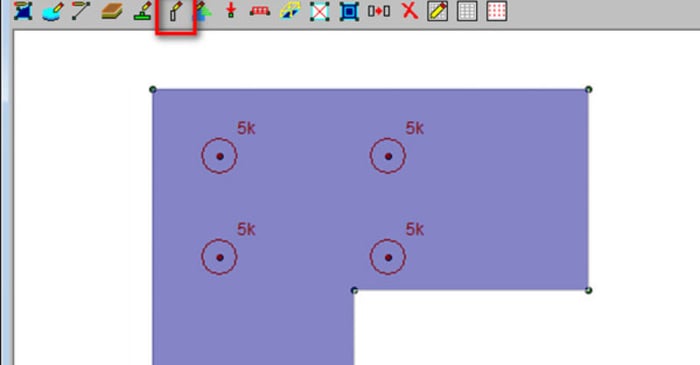
RISAFoundation was originally created as mat slab design software, but with some tweaks in the latest version (v6.0) it is now useful for slab on grade design as well. To get a design for slab on grade simply draw a slab element which has the appropriate thickness:
Now you have the ability to add in your customized company logo to a report.
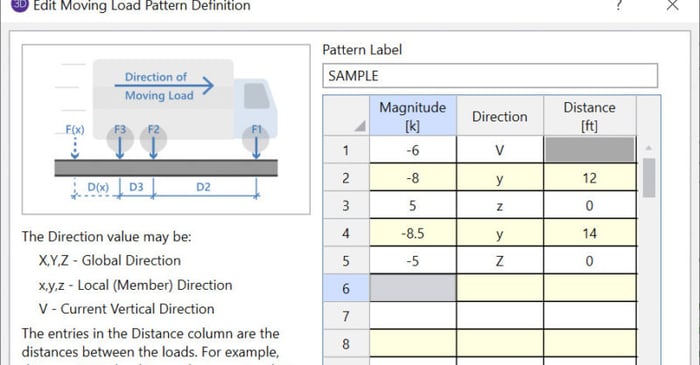
RISA-3D and RISA-2D come with a default list of existing moving load patterns. These are listed in the Moving Loads Library which can be viewed by clicking on the Moving Load Patterns button in the Advanced tab.
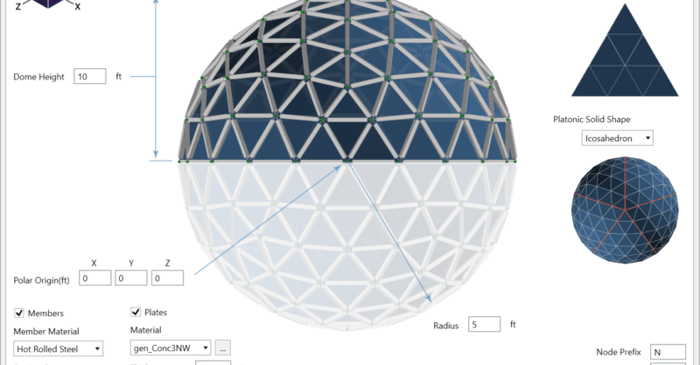
In modeling what would be a rather difficult geometric structure, by using the Templates database in RISA-3D, a geodesic dome can be constructed rather quickly and easily.
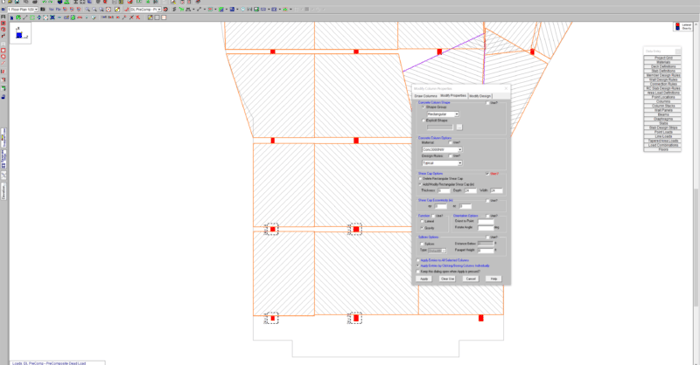
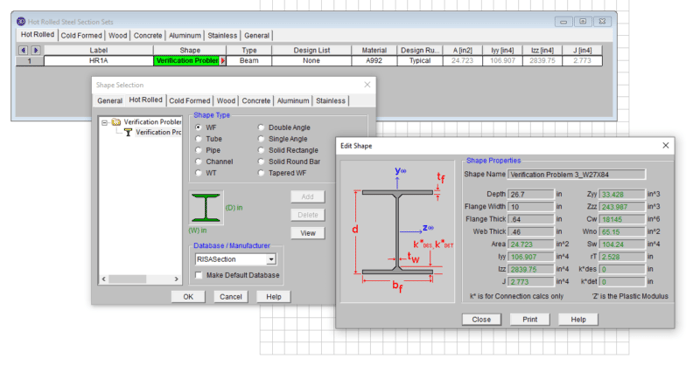
Use RISASection to find the properties of built-up steel sections, then model beams using the same section properties in RISA-3D and get full code-checks using AISC 360. This webinar will teach you how to use RISASection quickly and easily to determine complex section properties.
Our monthly "Structural Moment" newsletter is the best way to keep up with RISA’s product updates, new releases, new features, training events, webinars and more...