Tips & Tricks

December 29, 2025

What’s New for IBC 2024 in RISA: A Closer Look

With RISA’s latest release of RISA-3D v23.0.1, we’re continuing to expand support for IBC 2024, helping engineers stay aligned with the latest building code requirements as adoption accelerates across the U.S.—including federally funded projects. This release builds on v23.0.0 ASCE 7-22 enhancements and adds key material design updates that move RISA further into full IBC 2024 compliance. New Material Design Updates Supporting IBC 2024 The upcoming release introduces several important design code updates referenced by IBC 2024, including: Steel Seismic design per AISC 341-22 Prequalified connections per AISC 358-22 Continued support for AISC 360-22 (16th Edition) steel design Ongoing updates to the hot-rolled shape database, including compatibility with both 15th and 16th Edition steel manuals These updates support modern seismic detailing requirements and ensure consistency with current steel industry standards. Masonry Masonry design per TMS 402-22, aligning with the latest strength and serviceability provisions adopted by IBC 2024. Key updates include: Revisions to shear design equations, including clarified definitions of shear area as outlined in Table 4.4.5, improving consistency and transparency in shear capacity calculations. Updated strength reduction factors for flexure and combined flexure + axial. Unlike previous editions that used a fixed ϕ-factor of 0.9, TMS 402-22 introduces tension-controlled,…

Read More

How do Unbraced Lengths affect Analysis?
November 12, 2014

How do Unbraced Lengths affect Analysis?

The axial compression and flexure strength of beams and columns is dependent on the spacing of elements which provide bracing along the length of those members. You may specify unbraced lengths as a fixed distance or by using RISA’s Unbraced Length Commands. These unbraced lengths are used for...

Read More
Code Requirements for Panel Zone Shear Deformation
October 29, 2014

Code Requirements for Panel Zone Shear Deformation

Code requirements for consideration of panel zone shear deformation can be confusing. This blog post discusses some of the basis for these code requirements and when one can consider them to be met and when one cannot.

Read More
How are Cantilevered Slabs designed?
October 21, 2014

How are Cantilevered Slabs designed?

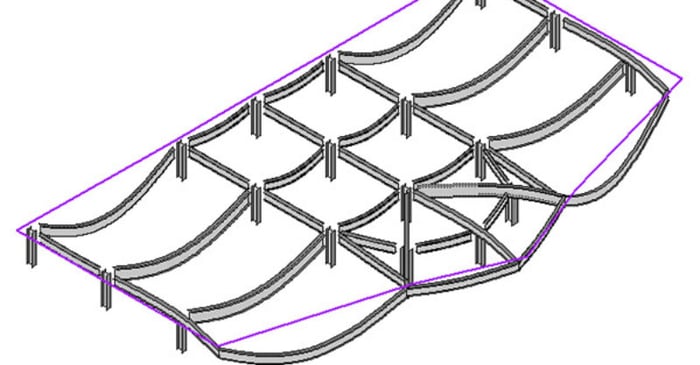
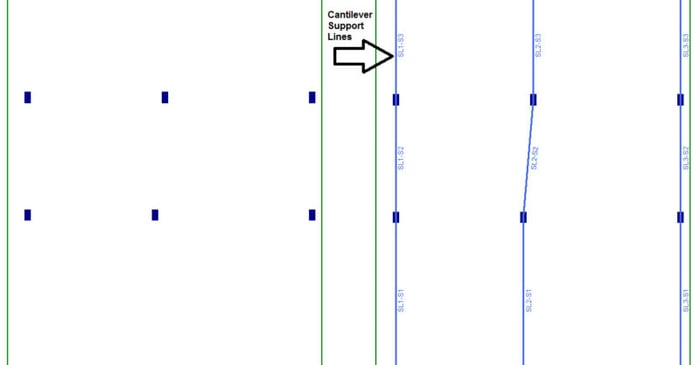
Concrete buildings often have large cantilevers. In RISAFloor ES, the Support lines can be drawn to support points but also they can be drawn as cantilevers (shown below).

Read More
How to Model Support Lines with Parallel Walls
October 3, 2014

How to Model Support Lines with Parallel Walls

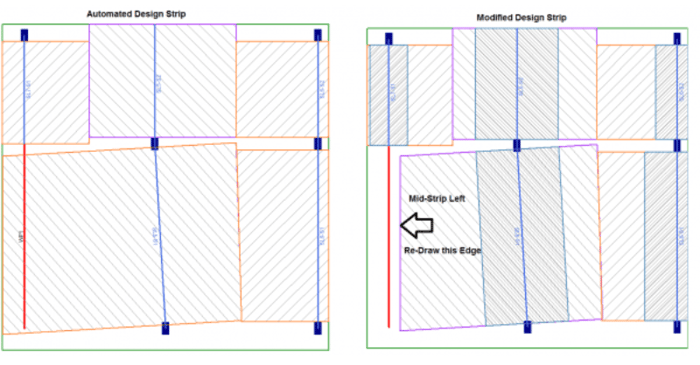
In RISAFloor ES, you draw a support line from support point to support point to define the Design Strips. The program will automatically create Design Strips based on the tributary width. When you have walls in the model, it is often a question of how you draw in the support lines.

Read More
How Do I Create Offset Connections in RISA-3D?
September 11, 2014

How Do I Create Offset Connections in RISA-3D?

By default RISA-3D draws all members as line elements located at the centroid of the cross-section. However, connections between members are not always aligned with a member’s centroid. There may be horizontal or vertical offsets in the connection. To account for these you can add rigid links to...

Read More
What is a Rigid Link in RISA-3D?
August 27, 2014

What is a Rigid Link in RISA-3D?

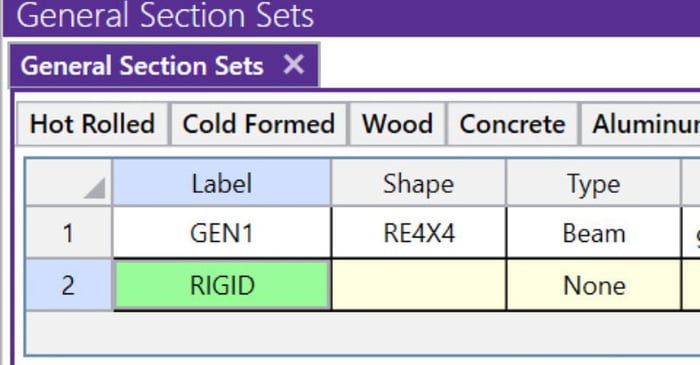
A rigid link is a member element in RISA-3D that can be used for many advanced modeling procedures. It is so useful that it is included as one of the default member Section Sets, as you’ll see below.

Read More
How to Use Moving Loads
June 19, 2014

How to Use Moving Loads

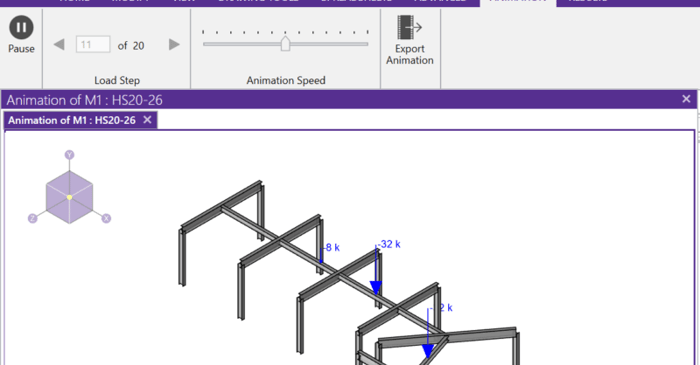
RISA-3D and RISA-2D will allow you to add a moving load pattern to your model and include it in your envelope solution.

Read More