


October 15, 2012
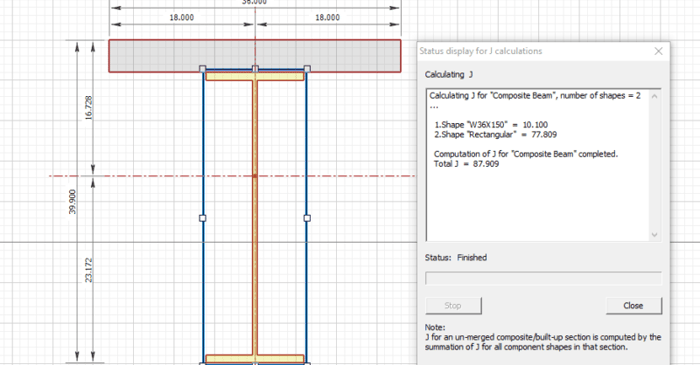
Updated Torsional Shape Properties
RISASection v2 includes updated torsional shape properties for a more accurate analysis. Check out the video below for more information:
RISASection v2 includes updated torsional shape properties for a more accurate analysis. Check out the video below for more information:
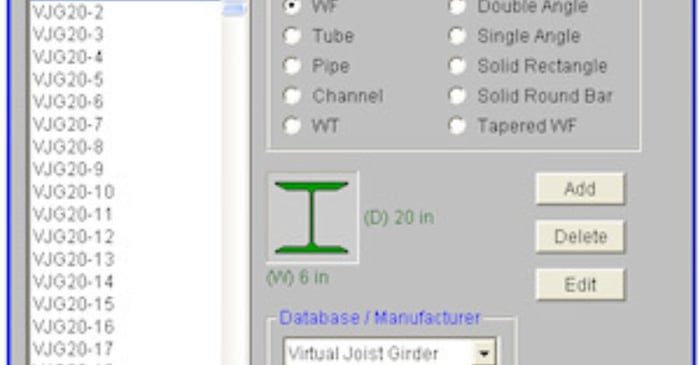
The Steel Joist Institute (SJI) has recently put together a Virtual Joist Girder table which converts common joist sizes into equivalent wide flange beams. This topic describes how to use these Virtual Joist Girders within the RISAFloor program.
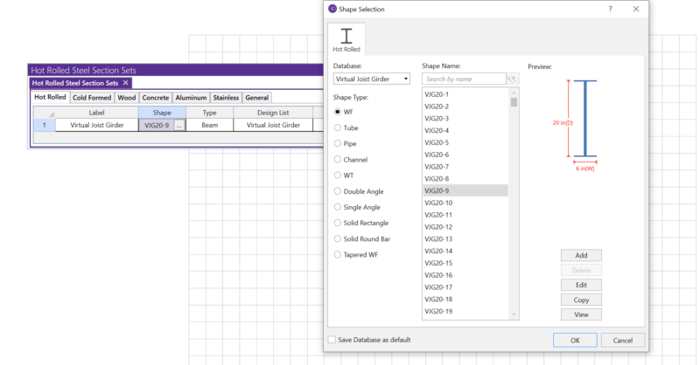
The Steel Joist Institute (SJI) has developed a Virtual Joist Girder table which converts common joist sizes into equivalent wide flange beams for use in RISA-3D.
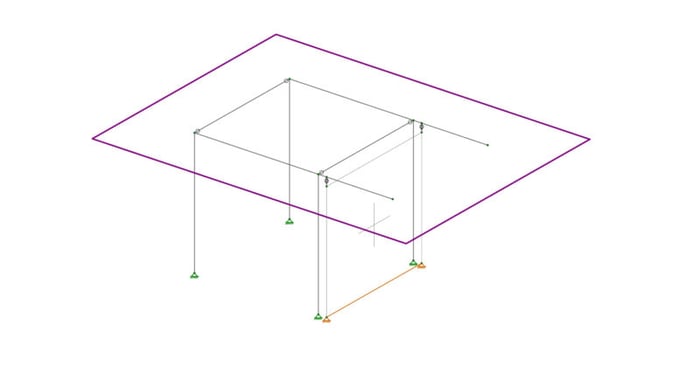
Let’s consider the example of the frame shown below. Suppose there is a diaphragm present at the framing level, and that the wall shown is intended only to handle the lateral loads. In reality the columns will be in-line with the wall, and the cantilever beams will pass over the wall without...

RISA programs are Windows-based and require a Windows operating system to run. Although RISA software does not operate natively on macOS, it is compatible with virtual machines that run Windows OS on your Mac. Below are the steps to get RISA up and running smoothly:

RISAFoundation includes a footing element which is represented by a single node. A frequent question that arises is how to apply multiple point loads to a single footing, but at different locations. This can be done with or without corresponding pedestals, but for the example below multiple...
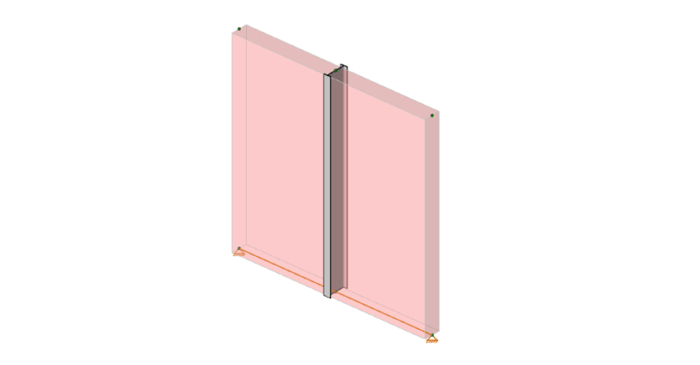
While RISA-3D does not currently have pilaster design, there are still plenty of situations where you would want to have a column embedded within a wall. The idea behind this is that the column handles the gravity loads for any beams which frame into it, while the wall handles lateral loads. No...
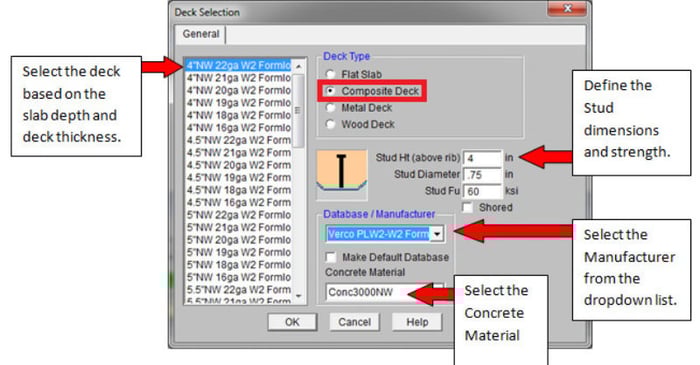
RISAFloor has some default decks provided for you when you open the program in the Deck Definitions spreadsheet. You can use one of these decks or you can create your own by going to the bottom of the spreadsheet and press ENTER.
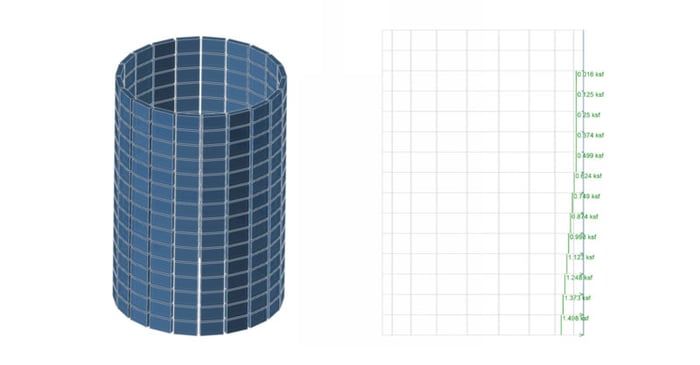
RISA-3D v10 now has the ability to quickly and easily apply hydrostatic loads to circular tanks using the Cylinder Generator. This generator can be found by clicking the Templates button and choosing the Cylinder - Plates/Members option.