Tips & Tricks

December 29, 2025

What’s New for IBC 2024 in RISA: A Closer Look

With RISA’s latest release of RISA-3D v23.0.1, we’re continuing to expand support for IBC 2024, helping engineers stay aligned with the latest building code requirements as adoption accelerates across the U.S.—including federally funded projects. This release builds on v23.0.0 ASCE 7-22 enhancements and adds key material design updates that move RISA further into full IBC 2024 compliance. New Material Design Updates Supporting IBC 2024 The upcoming release introduces several important design code updates referenced by IBC 2024, including: Steel Seismic design per AISC 341-22 Prequalified connections per AISC 358-22 Continued support for AISC 360-22 (16th Edition) steel design Ongoing updates to the hot-rolled shape database, including compatibility with both 15th and 16th Edition steel manuals These updates support modern seismic detailing requirements and ensure consistency with current steel industry standards. Masonry Masonry design per TMS 402-22, aligning with the latest strength and serviceability provisions adopted by IBC 2024. Key updates include: Revisions to shear design equations, including clarified definitions of shear area as outlined in Table 4.4.5, improving consistency and transparency in shear capacity calculations. Updated strength reduction factors for flexure and combined flexure + axial. Unlike previous editions that used a fixed ϕ-factor of 0.9, TMS 402-22 introduces tension-controlled,…

Read More

Using Projected Loads in RISA-3D
August 18, 2011

Using Projected Loads in RISA-3D

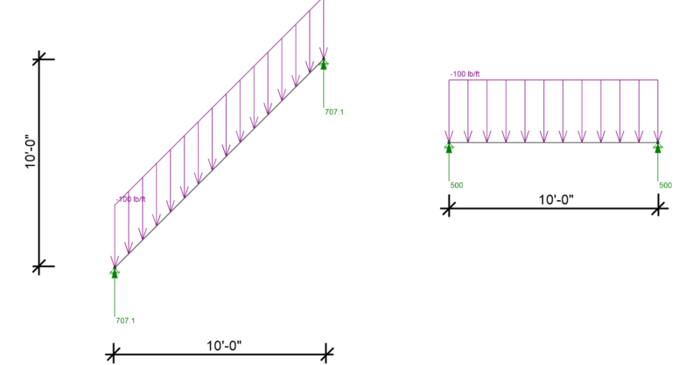
RISA-3D, RISA-2D and RISAFloor have the capability to project distributed and area loads onto members. Consider the case of snow load on two buildings: one with a flat roof and one with a sloped roof. Ignoring the concept of shedding, if both buildings have the same footprint then they should both...

Read More
How to Assign Column Base Boundary Conditions in RISAFloor
August 2, 2011

How to Assign Column Base Boundary Conditions in RISAFloor

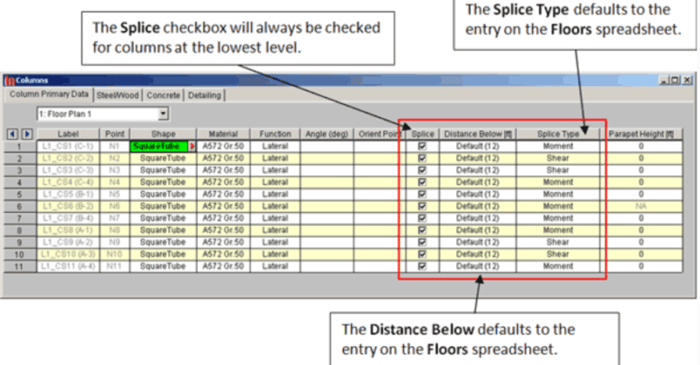
Column boundary conditions are set in RISAFloor per the Splice Type that you have set in the Columns spreadsheet. For any column at the lowest floor level, the Splice checkbox will automatically be checked, indicating that a boundary condition will be set at the base. You may set the boundary...

Read More
How to export a model to DXF
July 19, 2011

How to export a model to DXF

RISAFloor, RISA-3D, and RISAFoundation all allow the user to export a model as a DXF file for use in most major CAD programs.

Read More
Varying Soil Properties in RISAFoundation
July 14, 2011

Varying Soil Properties in RISAFoundation

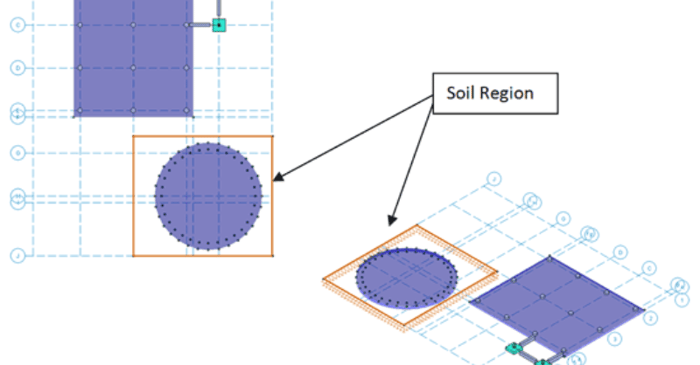
While RISAFoundation has a Default soil properties (Subgrade Modulus and Allowable Bearing), it is possible to create regions of varying soil properties.

Read More
How to Model Composite Sections in RISASection
July 5, 2011

How to Model Composite Sections in RISASection

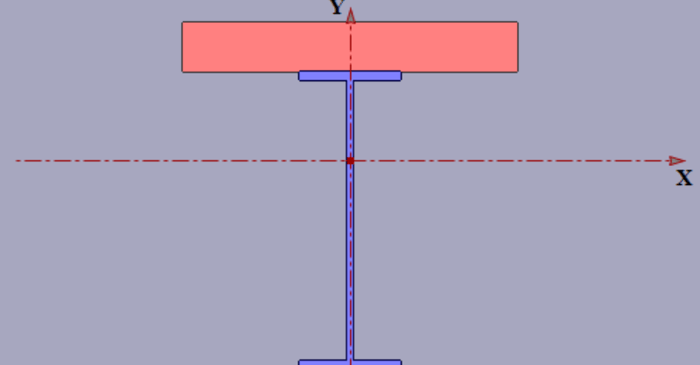
Modeling built-up or composite sections can easily be done in RISASection. Because the properties of such a section are computed using a weighted summation of the transformed shape properties, RISASection uses a Property Multiplier to specify the relative weight of a single shape in a built up...

Read More
How to Model a Void in a RISASection Shape
June 30, 2011

How to Model a Void in a RISASection Shape

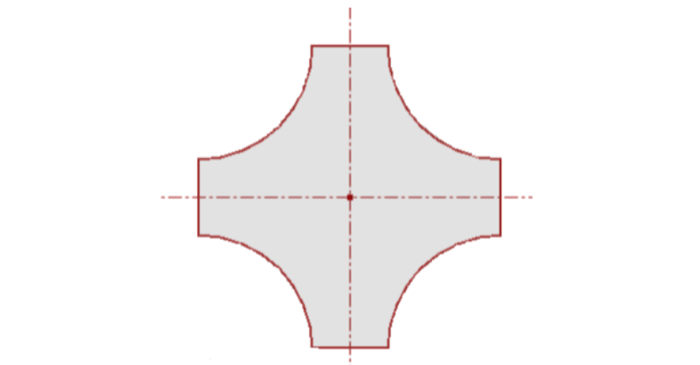
In order to model built-up or composite sections, RISASection includes the Property Multiplier, an input value which specifies the relative weight of the shape’s modulus of elasticity to that of the overall section. This value can also be used to model a void or a hole in the shape.

Read More
How to Model a Hole in a Plate
June 16, 2011

How to Model a Hole in a Plate

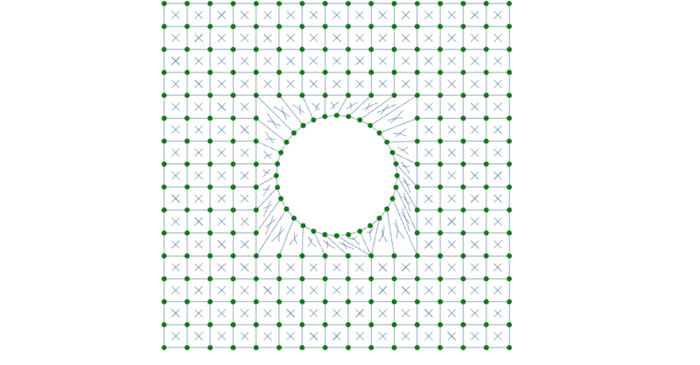
While RISA-3D (or RISA-2D) does not have an explicit tool to punch a hole in a plate, you can use the following steps to manually model them:

Read More
How Do I Avoid Instability Warnings in a RISA-3D Model?
June 13, 2011

How Do I Avoid Instability Warnings in a RISA-3D Model?

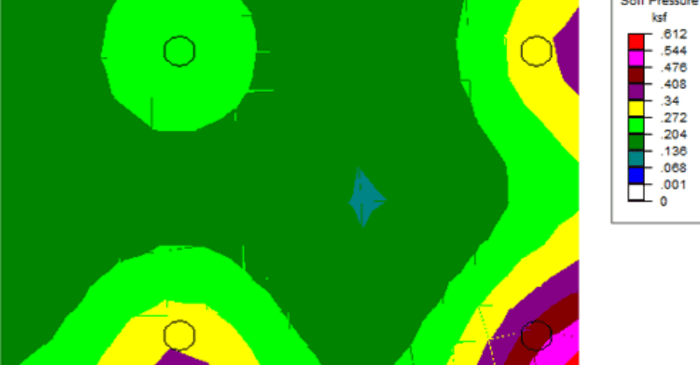
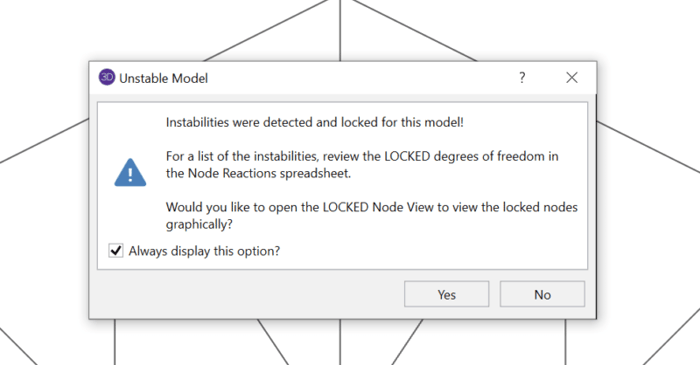
Have you ever received an instability warning when running a three dimensional RISA-3D model? This is because RISA-3D cannot build the stiffness matrix with the configuration you have modeled. In some cases, your model is truly unstable and in others it’s a matter of correctly modeling your...

Read More