
Tips & Tricks

December 29, 2025

What’s New for IBC 2024 in RISA: A Closer Look

With RISA’s latest release of RISA-3D v23.0.1, we’re continuing to expand support for IBC 2024, helping engineers stay aligned with the latest building code requirements as adoption accelerates across the U.S.—including federally funded projects. This release builds on v23.0.0 ASCE 7-22 enhancements and adds key material design updates that move RISA further into full IBC 2024 compliance. New Material Design Updates Supporting IBC 2024 The upcoming release introduces several important design code updates referenced by IBC 2024, including: Steel Seismic design per AISC 341-22 Prequalified connections per AISC 358-22 Continued support for AISC 360-22 (16th Edition) steel design Ongoing updates to the hot-rolled shape database, including compatibility with both 15th and 16th Edition steel manuals These updates support modern seismic detailing requirements and ensure consistency with current steel industry standards. Masonry Masonry design per TMS 402-22, aligning with the latest strength and serviceability provisions adopted by IBC 2024. Key updates include: Revisions to shear design equations, including clarified definitions of shear area as outlined in Table 4.4.5, improving consistency and transparency in shear capacity calculations. Updated strength reduction factors for flexure and combined flexure + axial. Unlike previous editions that used a fixed ϕ-factor of 0.9, TMS 402-22 introduces tension-controlled,…

Read More

How to Model Trusses in RISAFloor
June 3, 2011

How to Model Trusses in RISAFloor

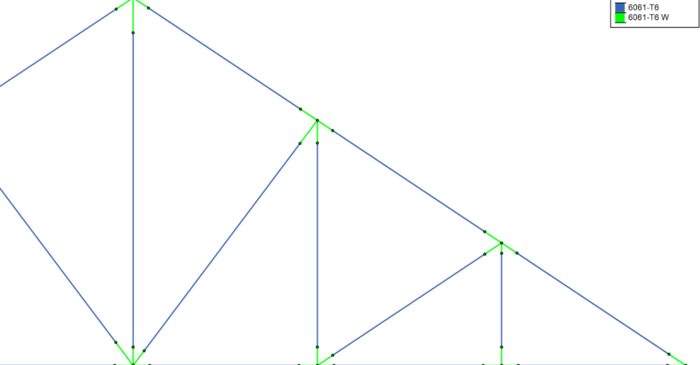
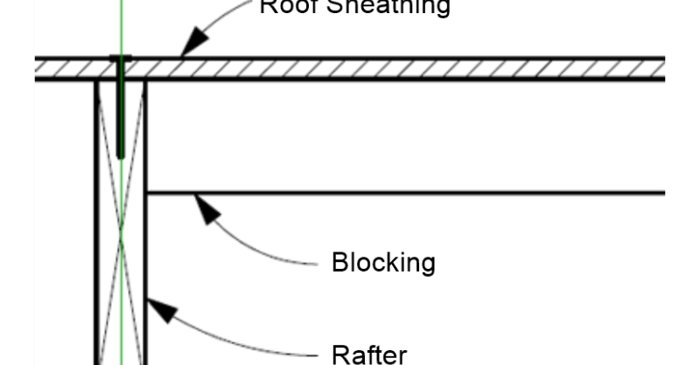
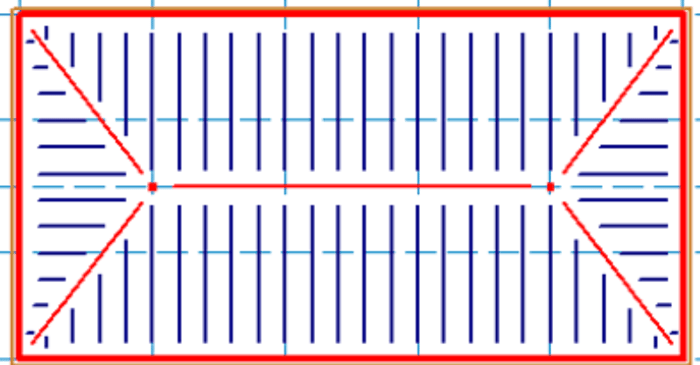
In RISAFloor on the roof level, you layout only the top chords of the truss and create your slope. These top chords by themselves probably won’t be sufficient enough to get designed in RISAFloor, but, don’t worry, we’ll take care of that in RISA-3D when we model the rest of truss.
Read More
How to Apply Notional Loads in RISA-3D
May 23, 2011

How to Apply Notional Loads in RISA-3D

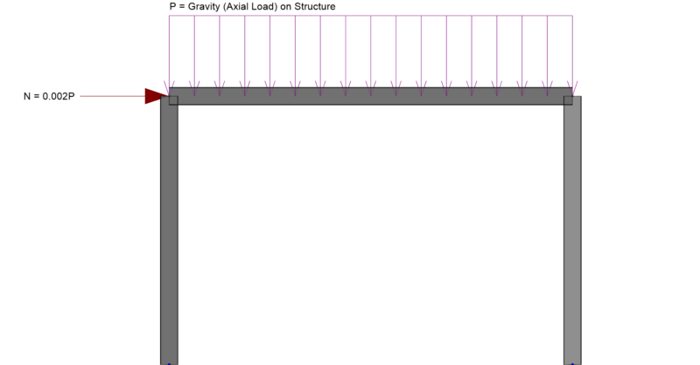
In RISA-3D you can automatically apply notional loads to your structure to comply with your steel code (such as AISC 360). Notional loads take into account a building’s actual out-of-plumbness by adding de-stabilizing lateral loads. The AISC 360 recommends either 0.2% or 0.3% of the vertical loads...

Read More
Refining Area Load Distribution in RISA-3D
April 20, 2011

Refining Area Load Distribution in RISA-3D

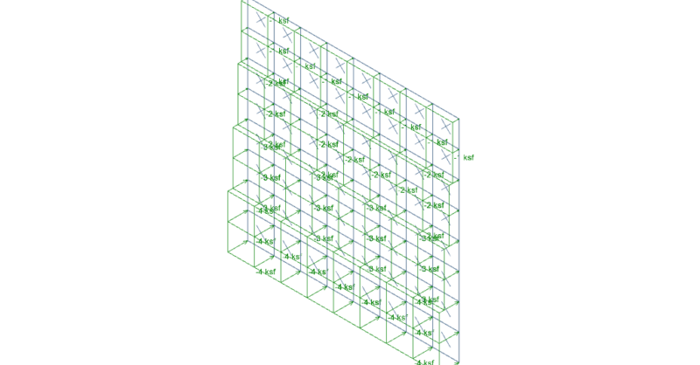
After solving a model with Member Area Loads, RISA-3D will automatically create Transient Basic Load Cases that allow the user to verify load distribution.

Read More
Using Sum of Reactions in RISA-3D
April 18, 2011

Using Sum of Reactions in RISA-3D

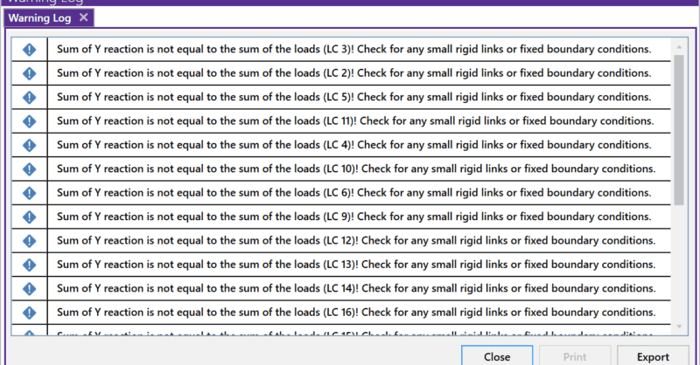
RISA-3D will now check your model for errors by summing the reactions in your model and comparing them to the applied loads. This occurs for the global X, Y, and Z directions. If RISA identifies that the reactions do not equal the applied loads then the software will show a warning message to the...

Read More
How Do I Change the Member Type in RISA-3D?
April 13, 2011

How Do I Change the Member Type in RISA-3D?

In RISA-3D, there are many different applications that require you to define Member Type in your model including AISC 15th Edition steel design, Seismic Design, Concrete design, and models that will be transferred to Autodesk Revit.

Read More