October 30, 2025

🎃 Trick or Treat… It’s RISA-Jeopardy! 👻

Halloween isn’t just for candy and costumes—it’s the perfect time to test your spooky engineering skills! We’ve brewed up a Halloween-themed RISA Jeopardy game, packed with fun, easy questions about our software. Tip for readers: Try to answer before revealing the “treat” below each question! 💀 Can You Count? 100 – RISACalc: How many components are currently available in RISACalc? 10 (Beam, Column, Steel Joist, Composite Beam, Retaining Wall, Spread Footing, Wall Footing, Drilled Pier, Seismic Load, Wind Load) 200 – FD: How many Data Entry spreadsheets are available in RISAFoundation? 25 300 – RISA-3D: How many countries or regions have building codes supported in RISA-3D? 9 (US, Canada, Mexico, Europe, Great Britain, India, Australia, New Zealand, Saudi Arabia) 🎃 Adaptable 100 – ADAPT: Which of these is not an ADAPT product? ADAPT-Builder, ADAPT-Felt, ADAPT-Floor, ADAPT-ABI ADAPT-Floor 200 – ADAPT: Which mode of ADAPT-Builder is used to design slabs-on-grade on expansive soils using the PTI method? ADAPT-SOG 🕸️ The Whole Family 100 – Other: This steel detailing software and fellow Nemetschek brand has a built-in export option in RISA-3D. SDS2 200 – Other: Which design code is the most common in our software, found in 8 of our 10 programs?…

Read More

October 01, 2024

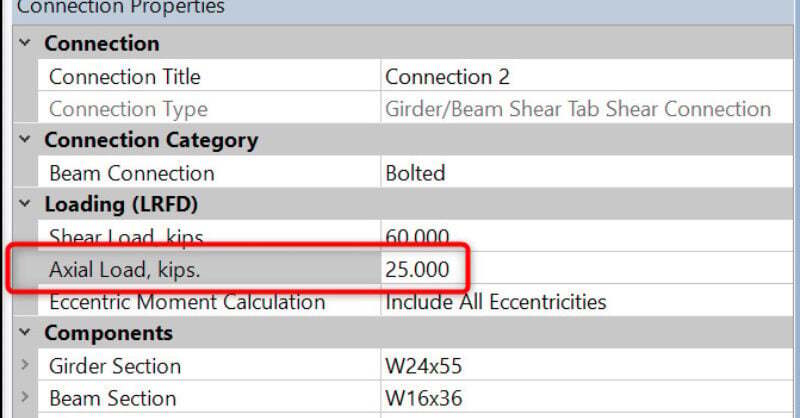
How to Account for Axial Loads in your RISAConnection Designs

With the new RISAConnection version 2.0, users now have the ability to design all connections for axial forces as well as the shear and moment forces.

Read More
October 01, 2024

Detailed Look at Lintel Analysis for Concrete Walls in RISA

RISA-3D now has the ability to design concrete walls with openings for both in-plane and out of plane loading. For lintels we provide analysis...

Read More
October 01, 2024

Why Don’t My Response Spectra Reactions Satisfy Statics?

The applied loads in a response spectrum analysis (RSA) are the applied masses times the accelerations in the response spectra. Each mode of...

Read More
October 01, 2024

How to Get a Code Check for Custom Cold Formed Steel Shapes

In order to get code calculations, RISA-3D and RISA-2D need to know what type of shape would be most similar to yours. This is because the program...

Read More
October 01, 2024

How Do I Resolve a P-Delta Instability?

Investigating P-Delta instabilities in RISA-3D (or RISA-2D) can be difficult. The first step is usually to solve the model without the P-Delta effect...

Read More
October 01, 2024

How to Apply a Rigid Diaphragm in RISA-3D

In RISA-3D, rigid diaphragms can be added using the Diaphragm spreadsheet. Just enter the node label and then choose the horizontal plane....

Read More
October 01, 2024

How do Plates and Walls interact with each other?

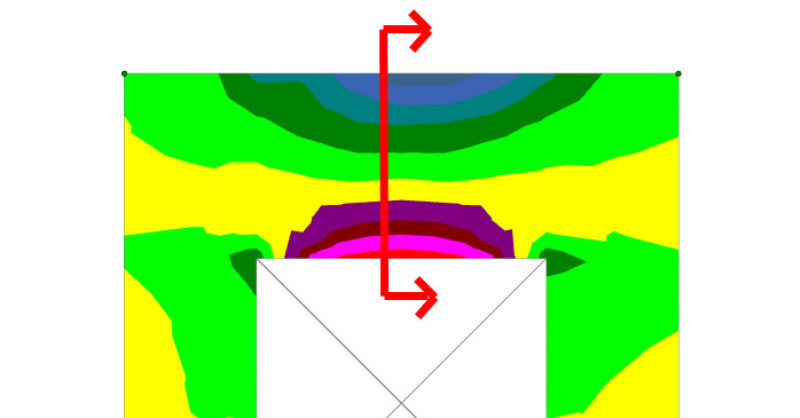
Below is a model of a concrete flat slab (represented by a plate) which is bearing on two columns and a skewed wall. As we know from plate meshing we...
Read More
October 01, 2024

Why is Plate Meshing Important?

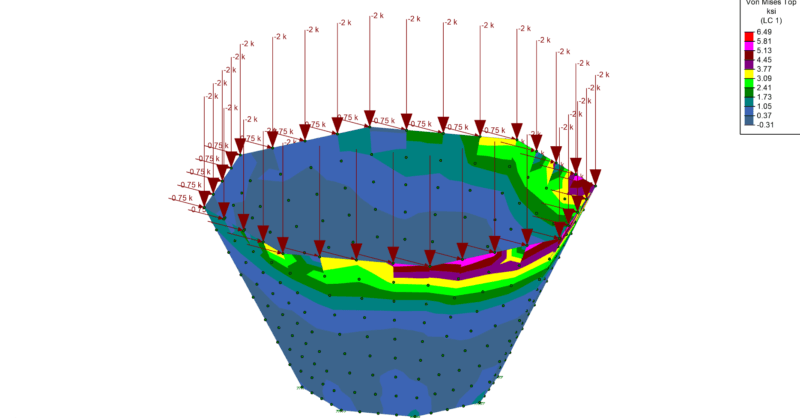
Aside from the topic of plate connectivity, the concept of plate meshing is equally important to the analysis of structures using finite elements...
Read More
October 01, 2024

How to Create T-Beams and L-Beams in RISA-3D

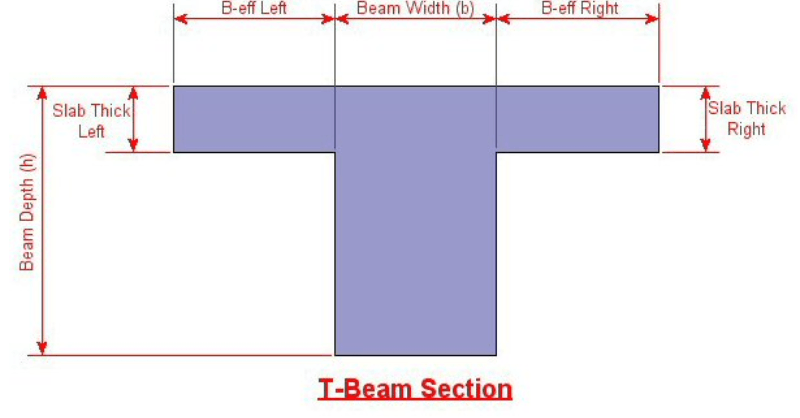
Modeling T-beams and L-beams in RISA-3D can easily be done by specifying the flanges after drawing in the rectangular concrete beam. The flange...

Read More

Subscribe to Our Newsletter

Our monthly "Structural Moment" newsletter is the best way to keep up with RISA’s product updates, new releases, new features, training events, webinars and more...